10 Essential Male Fertility Vitamins to Boost Sperm Health in 2026


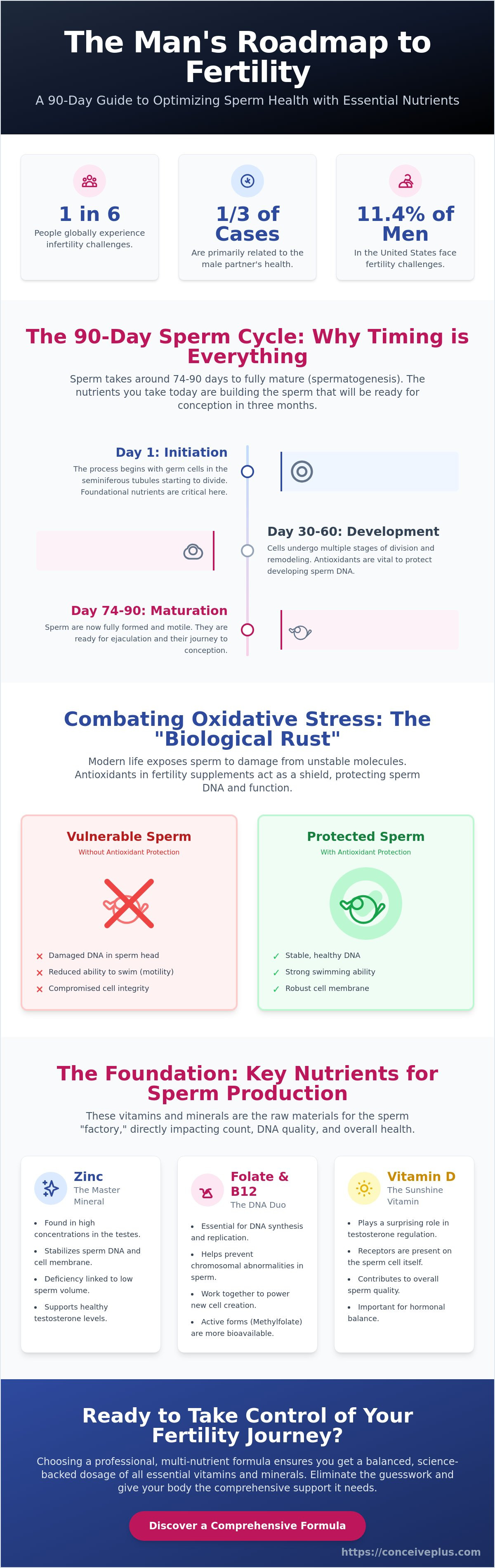
Approximately 1 in 6 people globally experience infertility, and in about one-third of those cases, the male partner's health is the primary factor. If you're one of the 11.4% of men in the United States facing these challenges, you've likely felt the frustration of slow progress and the confusion of complex medical terms. It's easy to worry that you're wasting money on ineffective products. However, choosing the right male fertility vitamins isn't about finding a "magic pill"; it's about providing the biological building blocks your body needs for healthy sperm production.
We understand that you want clear results and more confidence in your journey to fatherhood. This article breaks down the science behind the ten most essential nutrients, including Zinc, CoQ10, and Vitamin D, to help you improve your sperm analysis results. You'll discover a straightforward, daily supplement roadmap designed to support your 90-day sperm maturation cycle and accelerate your path to a successful pregnancy.
Key Takeaways
- Learn why timing is everything and why you should start your routine at least 90 days before you plan to conceive.
- Discover which male fertility vitamins specifically trigger the production of new sperm cells to improve your overall count.
- Identify the essential nutrients that act as fuel for sperm to improve swimming speed and physical shape.
- Master the daily protocol for taking supplements, including why certain vitamins require healthy fats for maximum absorption.
- Understand the benefits of a professional multi-nutrient formula to ensure you're getting a balanced, science-backed dosage.
Why Men Need Prenatal Vitamins: The 90-Day Sperm Cycle
Most men assume that improving their health today will result in better sperm quality by next week. However, biology operates on a much longer timeline. In 2026, the medical community has shifted toward using the term "prenatal vitamins for men" to emphasize that a father's nutritional status is just as vital as a mother's during the preconception phase. Since sperm takes approximately 74 to 90 days to fully mature, the choices you make today won't be visible in a semen analysis for nearly three months. This biological delay is why starting a regimen of male fertility vitamins requires patience and a long-term perspective.
To better understand how these supplements influence your biology, watch this helpful video:
Understanding Spermatogenesis and Your Timeline
Spermatogenesis is the 90-day biological factory for sperm. This complex process begins with germ cells in the seminiferous tubules and involves multiple stages of cellular division and remodeling. Because The 90-Day Sperm Cycle is a fixed physiological timeline, any supplement you take today is essentially "feeding" the sperm that will be used for conception three months from now. This is why consistency is far more important than taking high, sporadic dosages. Skipping your vitamins for a week can create a "gap" in the quality of a specific batch of sperm currently under production.
The Impact of Modern Stress on Male Fertility
Your sperm cells are incredibly sensitive to their environment. Modern life introduces various stressors, from environmental toxins and radiation to physical heat caused by prolonged sitting or laptop use. These factors often lead to oxidative stress. You can think of oxidative stress as "biological rusting" that happens inside your body. Just as rust weakens a metal structure, these unstable molecules can attack and damage the delicate DNA carried within the sperm head. To prevent this, your body requires a steady influx of antioxidants. High-quality male fertility vitamins act as a shield, neutralizing this "rust" before it can compromise the integrity of your genetic material or the sperm's ability to swim effectively.
The Foundation: Essential Vitamins for Increasing Sperm Count
If spermatogenesis is the factory, then specific vitamins and minerals are the raw materials required to keep the assembly line moving. When we talk about sperm count, we're referring to the concentration of sperm in a given sample. Low numbers often stem from a lack of the biological triggers needed to initiate cell division. By incorporating targeted male fertility vitamins, you provide your body with the tools to maximize this output. It isn't just about quantity; it's about ensuring every cell produced has the genetic integrity to go the distance.
Zinc: The Ultimate Male Fertility Mineral
Zinc is often called the master mineral for male reproduction. It's found in high concentrations within the testes and prostate, where it helps stabilize sperm DNA and the cell membrane. A deficiency in Zinc is directly linked to low sperm volume and decreased testosterone levels. To understand the deeper mechanics of this mineral, you can read our comprehensive guide on Zinc for Male Fertility in 2026. While it's powerful, balance is key. Taking too much Zinc can interfere with copper absorption, so it's best to look for a formula that respects these nutritional ratios.
Folate and Vitamin B12: The DNA Duo
Folate, or Vitamin B9, isn't just a women's vitamin. In men, Folate is essential for DNA synthesis. When Folate levels are low, sperm are more likely to have chromosomal abnormalities. Vitamin B12 works alongside Folate to power cellular replication. Together, they ensure that the millions of new cells created every day are healthy and functional. Many experts suggest choosing supplements that use methylfolate rather than synthetic folic acid, as it's more easily processed by the body. Choosing Comprehensive Male Fertility Support often means looking for these active forms of B vitamins to ensure your body actually uses what you swallow.
Beyond these basics, Vitamin D plays a surprising role in testosterone regulation. Research shows that Vitamin D receptors are present on the sperm itself, suggesting it directly influences how these cells develop. If you're ready to start building your foundation, exploring specialized fertility support options can help you get all these essentials in one place without the guesswork of managing ten separate bottles.
Motility and Morphology: Nutrients that Power Sperm Movement
While sperm count provides the numbers, motility and morphology determine if those numbers actually matter for conception. Motility refers to the sperm's ability to swim efficiently toward the egg. Morphology describes the physical shape and size of the sperm. Sperm that can't swim straight or have abnormal shapes rarely reach their destination. This is why targeted male fertility vitamins are essential; they don't just increase volume, they provide the structural integrity and energy needed for the "long-distance swim" required for natural pregnancy.
Coenzyme Q10 (CoQ10) for Mitochondrial Energy
Sperm cells are among the most energy-demanding cells in the human body. To reach the egg, they require massive amounts of Adenosine Triphosphate (ATP), which is the body's primary energy currency. Coenzyme Q10 (CoQ10) acts as a vital spark plug within the mitochondria, the powerhouses of the cell. Supplementing with CoQ10 has been shown to improve the "vigour" of sperm movement, giving them the stamina to navigate the female reproductive tract. Clinical studies indicate that consistent CoQ10 use also supports better morphology, ensuring the sperm's physical structure remains optimal for successful penetration of the egg's outer layer.
L-Carnitine and the "Swimmer" Effect
L-Carnitine is often described as the primary "fuel" for sperm mitochondria. Its main job is to transport long-chain fatty acids into the cells to be burned for energy. High concentrations of L-Carnitine are found in the epididymis, the tube where sperm mature and gain their ability to swim. By boosting these levels through supplementation, you're providing high-octane fuel for the journey ahead. Combining L-Carnitine with Vitamin C often yields better results, as the antioxidant protects the newly energized cells from damage during their maturation phase.
To ensure these "engines" are protected, Vitamin E and Selenium play a critical role as structural guards. Vitamin E protects the sperm's cell membrane from the "biological rusting" of oxidative stress, while Selenium is required for the proper development of the sperm tail. Without a strong tail, motility becomes impossible. If you're looking for real-world evidence of how these nutrients impact the journey to fatherhood, you can explore reviews from men who have utilized these science-backed protocols to improve their results.
In addition to these energy-boosters, choosing a comprehensive formula ensures you aren't missing the synergistic benefits of trace minerals. When these nutrients work together, they create a protective environment that allows sperm to thrive even in challenging conditions. Consistency remains the most important factor, as these improvements are tied to the same 90-day cycle that governs all aspects of sperm health.
Maximizing Absorption: How to Take Fertility Vitamins for Best Results
Buying high-quality male fertility vitamins is a great first step, but how you take them determines whether they actually reach your cells. Bioavailability is a major factor in supplement success. If your body can't break down and transport these nutrients, you're essentially wasting your investment. To get the most out of your daily regimen, you need to understand how these nutrients interact with your diet and daily habits.
Many of the most critical nutrients for sperm health are fat-soluble. This includes Vitamins A, D, E, and K, as well as Coenzyme Q10. Without a source of dietary fat, these compounds pass through your system largely unabsorbed. Taking your supplements alongside a meal that includes healthy fats like avocado, nuts, or olive oil can significantly boost their effectiveness. For more details on the best dietary pairings, check out our guide on Top Foods to Increase Sperm Count. Conversely, try to avoid "absorption killers" like excessive caffeine or alcohol, which can deplete your nutrient stores and irritate the gut lining.
Timing and Consistency
Consistency is the backbone of any fertility plan, especially given the 90-day cycle of sperm maturation. You should aim to take your vitamins at the same time every day to maintain steady blood serum levels. Timing can also play a role in how you feel. For example, B-vitamins are often better taken in the morning because they support energy metabolism, while some men find that taking minerals with dinner helps them stay consistent. To ensure your efforts align with your partner's most fertile days, you can use the Conceive Plus ovulation calculator to track the best windows for conception.
The Role of Hydration and Lifestyle
Hydration is often overlooked in discussions about sperm health. Semen is primarily composed of water. Poor hydration can lead to lower semen volume and increased viscosity, making it harder for sperm to swim. Drinking enough water ensures that the transport medium for your sperm is at its optimal consistency. It's also vital to debunk the idea that vitamins can "out-supplement" a poor lifestyle. As discussed in our look at prenatal vitamins for men, these male fertility vitamins work best when paired with habits that protect the testes, such as avoiding hot tubs and saunas.
Use this checklist to build a "Sperm-Friendly" daily routine:
- Drink at least 2 to 3 liters of water daily.
- Take your supplements with a fat-containing meal.
- Limit caffeine to one or two cups of coffee.
- Avoid tight underwear and prolonged heat exposure.
- Stick to a regular sleep schedule to support hormone balance.
Ready to streamline your daily routine with a professional formula? You can shop the full range of Conceive Plus fertility supports to find the right match for your journey.
Choosing Comprehensive Male Fertility Support
Managing your health shouldn't feel like a full-time job. While individual supplements like Zinc or CoQ10 are powerful, taking ten separate pills every day often leads to "supplement fatigue" and inconsistent dosing. A multi-nutrient formula simplifies your routine while ensuring that your male fertility vitamins are perfectly balanced for maximum synergy. This balance is crucial because certain nutrients work better together to support DNA synthesis and cellular energy. Choosing a brand that specializes exclusively in fertility, such as Conceive Plus, ensures you're getting a formula designed by experts who understand the specific needs of the male reproductive system.
For many couples, the journey to parenthood is a shared effort. Utilizing Conceive Plus fertility bundles allows both partners to optimize their health simultaneously, creating the best possible environment for conception. Remember, the 90-day commitment is your most important tool. Since sperm takes nearly three months to mature, there are no shortcuts. Staying consistent with high-quality male fertility vitamins is the only way to see the results you want in three months.
What to Look for in a High-Quality Supplement
Not all supplements are created equal. When reading labels, look for bioavailable forms of nutrients that your body can actually absorb. For instance, Zinc Gluconate and Methylfolate (the active form of Folate) are often superior to cheaper, synthetic alternatives. You should also avoid products packed with unnecessary fillers or artificial colors, as these can sometimes contribute to the very oxidative stress you're trying to fight. If you're curious about how these high-quality ingredients translate into real-world results, take a moment to browse through Conceive Plus reviews from men who have successfully improved their sperm health parameters.
The Path Forward: Your TTC Action Plan
Success in your Trying to Conceive (TTC) journey comes down to a clear, actionable plan. You can break your path forward into three simple steps. First, start a consistent supplement routine to provide the biological building blocks for healthy sperm. Second, adopt the "cool and hydrated" lifestyle habits we discussed earlier. Third, master your timing to ensure your efforts align with your partner's cycle. You don't have to wait for a doctor's appointment to take charge of your reproductive health. By browsing best-selling fertility products and starting your 90-day window today, you're taking a proactive and vital role in your future family's story.
Take the Next Step Toward Fatherhood
Improving your sperm quality is a proactive process that begins with a solid biological foundation. By respecting the 90-day maturation cycle and prioritizing nutrients like Zinc and CoQ10, you give your future child the best start possible. Consistency remains your most valuable tool. When you combine science-backed male fertility vitamins with the lifestyle shifts discussed, you build a reliable path toward better semen analysis results. You don't need to juggle multiple single-ingredient supplements to achieve your goals.
Conceive Plus provides formulas that are clinically formulated for sperm health and trusted by millions of couples worldwide. Our products offer comprehensive support for count, motility, and volume to help you feel more confident in your fertility. Shop Conceive Plus Men’s Fertility Support Solutions today to begin your 90-day window. Every positive change you make today brings you one step closer to the family you're building. Your commitment to health is a powerful investment in your future role as a father.
Frequently Asked Questions
How long does it take for male fertility vitamins to work?
It takes approximately 90 days to see the full impact of male fertility vitamins on your sperm quality. This timeline matches the biological process of spermatogenesis, where new sperm cells are created and matured. While some nutrients might show minor benefits sooner, you shouldn't expect a significant change in a semen analysis until you've completed a full three-month cycle of consistent supplementation.
Can I take a regular multivitamin instead of a male fertility supplement?
A standard multivitamin usually doesn't contain the specific concentrations of nutrients required for reproductive health. While a general multi supports overall wellness, male fertility vitamins include higher dosages of antioxidants like CoQ10 and amino acids like L-Carnitine. These ingredients are specifically chosen to target sperm motility and morphology, which are often overlooked in general health formulas.
Do male fertility vitamins have side effects?
Most men don't experience significant side effects when taking these supplements as directed. The most common issues are mild digestive upset or nausea, which usually happens if you take the pills on an empty stomach. Because many of these nutrients are fat-soluble, taking them with a meal typically eliminates these minor issues and improves absorption.
Is Zinc the most important vitamin for male fertility?
Zinc is a foundational mineral, but it works best as part of a broader nutritional team. While Zinc is essential for testosterone production and sperm volume, it requires Folate and Vitamin B12 to properly support DNA synthesis. Relying on Zinc alone might leave gaps in other areas of sperm health, such as motility or protection against oxidative damage.
Can vitamins help if I have a low sperm count?
Yes, targeted vitamins can support the body's natural production of sperm cells. If your low count is due to nutritional deficiencies or oxidative stress, providing the right building blocks can help improve your numbers over time. It's important to remember that vitamins are part of a broader strategy that includes hydration and avoiding excessive heat.
Should I take male fertility vitamins if my semen analysis is normal?
Taking fertility vitamins even with a normal analysis can provide "biological insurance" for your reproductive health. Sperm quality can fluctuate based on stress, illness, or environmental factors. Maintaining a high level of antioxidant support helps protect the DNA integrity of your sperm, ensuring they remain healthy and functional throughout the conception process.
What happens if I miss a day of my fertility vitamins?
Missing a single day won't ruin your progress, but you shouldn't try to double your dose the next day. Simply resume your regular schedule as soon as you remember. The goal is to maintain steady blood serum levels over the 90-day production cycle, so long-term consistency is much more important than a single missed afternoon.
Can lifestyle changes replace the need for fertility vitamins?
Lifestyle changes and vitamins are most effective when used together rather than as replacements for each other. While eating well and avoiding hot tubs is vital, modern diets often lack the specific concentrations of antioxidants needed to combat environmental toxins. Supplements ensure your body has a reliable, daily supply of the exact nutrients required for optimal sperm development.