6 DPO Symptoms: What to Know About Early Pregnancy Signs

At six days past ovulation (6 DPO), some individuals start to closely observe their bodies for any potential early pregnancy symptoms. While implantation generally occurs around 6 to 12 days after ovulation, it is possible for some subtle signs to arise as hormone levels begin to fluctuate. Here, we’ll explore common 6 dpo symptoms, what they may mean, and whether it’s realistic to expect any indications of pregnancy this early.

What Does 6 DPO Mean for Your Body?
At 6 DPO, if fertilization has occurred, the fertilized egg is likely making its way down the fallopian tube toward the uterus, where it may soon implant. While symptoms at this stage aren’t definitive indicators of pregnancy, some people do notice early changes due to hormonal shifts. The term 6 dpo symptoms refers to any bodily changes you might experience, even if they are not necessarily caused by pregnancy yet.
Common Symptoms Reported at 6 DPO
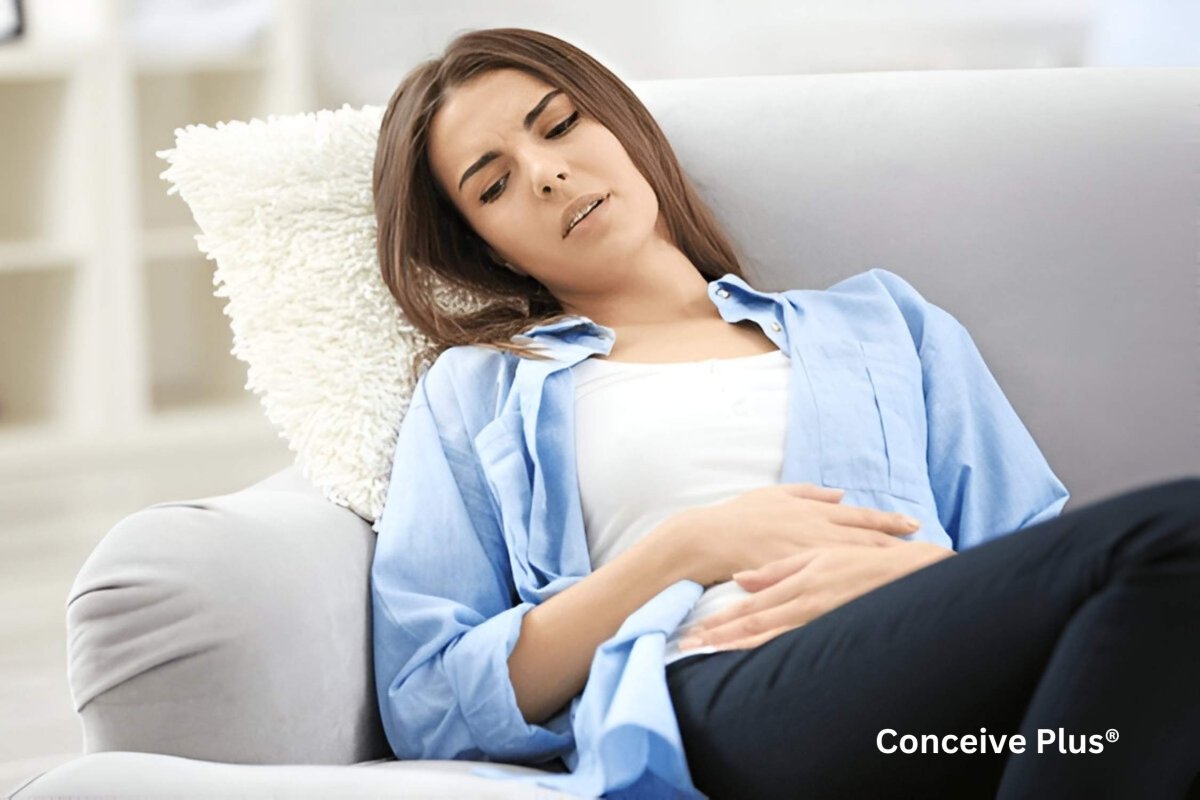
- Cramps: Experiencing cramps 6 dpo or cramping at 6dpo can feel similar to premenstrual cramps. These mild cramps are usually linked to natural fluctuations in progesterone and other hormones after ovulation. Although some individuals hope cramping might indicate early implantation, it’s often too early for cramps to be directly linked to pregnancy. Nevertheless, many report feeling cramps 6dpo that mimic premenstrual symptoms [1].
- Nausea: While nausea is often associated with later stages of early pregnancy, some people report 6 dpo nausea or nausea at 6 dpo as a possible early sign. This can vary widely, with some individuals experiencing mild queasiness and others noticing no nausea at all. If present, nausea 6 dpo may be attributed to post-ovulation hormone levels rather than pregnancy specifically, but it remains a commonly observed early symptom.
- Fatigue: A common symptom around 6 DPO is fatigue, which can be due to the increase in progesterone following ovulation. This hormone naturally causes drowsiness, and many experience an overall sense of tiredness or lack of energy at this stage [2].
- Breast Sensitivity: Some individuals notice breast tenderness at 6 DPO, which can be linked to the rise in progesterone. This is not a definitive pregnancy symptom, as it also occurs regularly after ovulation, but it is something some people monitor.
Is It Possible to Get a Positive Pregnancy Test at 6 DPO?
It’s important to understand that most home pregnancy tests work by detecting the hormone hCG (human chorionic gonadotropin), which only starts to rise after implantation. Taking a 6 dpo pregnancy test or pregnancy test 6dpo is generally too early, as implantation may not have occurred yet. Therefore, getting a positive pregnancy test 6 dpo or positive pregnancy test at 6 dpo is highly unlikely since hCG levels would not be detectable at this stage.

✨ Think You Might Be Pregnant?
Get fast, accurate results up to 6 days before your missed period with our early detection pregnancy test.
Shop Now — $9.80✓ Free shipping on orders over $40 | ✓ Trusted by millions of couples worldwide
Testing early, especially at 6 DPO, can lead to disappointment with false negatives because the hormone levels are simply not high enough for detection. It’s usually recommended to wait until at least 10-12 DPO for a more reliable result. If you decide to take a pregnancy test at 6dpo and receive a negative result, keep in mind that it doesn’t rule out the possibility of pregnancy—it just means it’s too early for accurate results [3].

Tracking 6 DPO Symptoms: What Should You Pay Attention To?
For those actively monitoring their bodies for signs, it can be helpful to track symptoms as a personal record. While 6dpo symptoms like cramps, nausea, and fatigue are common, they do not guarantee pregnancy. Many individuals experience these symptoms during the luteal phase of their cycle due to hormone levels rather than as a direct result of pregnancy.
Additionally, some people report slight changes in cervical mucus at 6 DPO, noting differences in texture or quantity. While increased discharge can sometimes indicate pregnancy, it’s not a definitive sign and can vary widely from person to person. Using fertility-focused supplements and products enriched with key nutrients like folate, CoQ10, and myo-inositol can support your body's natural processes during this crucial phase.
What About Nausea and Other Early Signs?
"Nausea at 6 dpo" is commonly discussed among those hoping for early pregnancy signs, though true pregnancy-related nausea, often known as morning sickness, typically begins later, around weeks 4 to 6 of pregnancy. If you’re experiencing 6dpo nausea, it may be related to post-ovulation hormone fluctuations rather than pregnancy itself, as nausea this early is less common.
Some people also notice changes in appetite, mild bloating, or digestive issues around 6 DPO. Again, these symptoms are generally associated with the effects of progesterone and are not exclusive to pregnancy.
Patience is Key: Waiting for Reliable Results
For those eager to confirm pregnancy, waiting until closer to the time of a missed period (generally around 14 DPO) is ideal for the most accurate result. Taking a pregnancy test at 6 DPO is unlikely to yield a reliable answer due to low hormone levels. For more reliable results, consider taking a 10 DPO pregnancy test, as testing too early may lead to false negatives.
Tracking "6 dpo symptoms" can still be helpful for personal reference, but remember that these symptoms often reflect natural changes that occur in the luteal phase for everyone, regardless of pregnancy status. By allowing a few more days for hormone levels to rise, you’ll increase your chances of getting a reliable test result.

Final Thoughts on 6 DPO Symptoms
Monitoring symptoms at 6 DPO can be a fascinating part of the journey for those hoping to conceive. While cramps, mild nausea, and fatigue are common, they are usually not definitive indicators of pregnancy this early. Taking a pregnancy test at 6 DPO, though tempting, often leads to false negatives, as hCG levels have not yet had time to rise.
Ultimately, 6 DPO is still early in the cycle for symptoms directly tied to pregnancy. Symptoms like mild cramping and nausea are often a result of hormonal changes rather than a sign of conception. For the most accurate results, waiting until 10-14 DPO to test can provide a clearer answer, allowing hCG levels to build to detectable levels in the case of pregnancy.
Citations
- E.W. Harville, A.J. Wilcox, D.D. Baird, C.R. Weinberg, Vaginal bleeding in very early pregnancy, Human Reproduction, Volume 18, Issue 9, September 2003, Pages 1944–1947, https://doi.org/10.1093/humrep/deg379
- Foxcroft KF, Callaway LK, Byrne NM, Webster J. Development and validation of a pregnancy symptoms inventory. BMC Pregnancy Childbirth. 2013 Jan 16;13:3. doi:10.1186/1471-2393-13-3. PMID: 23324494; PMCID: PMC3599678.
- American Pregnancy Association. (2015). Pregnancy symptoms—Early signs of pregnancy. Retrieved Nov 09, 2024, from https://americanpregnancy.org/healthy-pregnancy/are-you-pregnant/pregnancy-signs-symptoms/
Conceive Plus is the best place to buy myo-inositol online for the best myo-inositol supplements Conceive Plus Ovulation Support contains premium myo-inositol for sale. Order myo-inositol capsules online today to boost your ovulation and regulate hormones and menstrual cycles.
🌱 Get Answers Early
Millions of women trust Conceive Plus for their fertility journey. Clinically validated pregnancy tests delivered to your door.
Shop Pregnancy Tests →Frequently Asked Questions
Recommended by Fertility Experts
Conceive Plus Fertility Supplements
Science-backed vitamins and supplements expertly formulated to nourish your body and support reproductive health at every stage.
Shop Now →Can you get a positive pregnancy test at 6 DPO?
It is extremely unlikely to get a positive pregnancy test at 6 DPO because hCG (human chorionic gonadotropin) levels are typically too low to be detected by home pregnancy tests at this stage. Most FDA-approved home pregnancy tests can only detect hCG after implantation has occurred and hormone levels have risen sufficiently, which usually happens around 12-14 DPO or later. For the most accurate results, the American College of Obstetricians and Gynecologists (ACOG) recommends waiting until at least the first day of a missed period to test.
What's the difference between 6 DPO cramping and period cramps?
At 6 DPO, cramping is typically caused by normal post-ovulation hormone fluctuations rather than implantation, making it difficult to distinguish from premenstrual cramps. Period cramps tend to intensify as your cycle progresses and menstruation approaches, while post-ovulation cramping at 6 DPO is usually mild and may feel similar to what you normally experience before your period. The only way to know the true cause is to monitor symptoms over time or take a pregnancy test once hCG levels are detectable, typically after a missed period.
Is fatigue at 6 DPO a sign of pregnancy?
Fatigue at 6 DPO is more likely due to the natural rise in progesterone following ovulation rather than pregnancy itself, as it's too early for pregnancy-related hormones to cause significant fatigue. However, progesterone is a known sedative hormone, so feeling tired after ovulation is completely normal and doesn't necessarily indicate pregnancy. Fatigue becomes a more meaningful symptom only when combined with other signs and confirmed by a positive pregnancy test after your missed period.
Should I avoid caffeine or medications if I might be pregnant at 6 DPO?
If you're trying to conceive, it's generally reasonable to be cautious with caffeine and medications, though 6 DPO is very early for pregnancy to pose risks from typical daily habits. Most fertility specialists and the American Fertility Society recommend following standard preconception health guidelines, such as limiting caffeine to under 200mg daily and consulting your healthcare provider about any medications before conception. Since you won't know if you're pregnant until at least 12-14 DPO, speak with your doctor about which substances to avoid during your conception attempts.
When should I call my fertility doctor about 6 DPO symptoms?
You should contact your fertility clinic or OB/GYN if you experience severe pain, heavy bleeding, or other concerning symptoms at 6 DPO, as these could indicate issues unrelated to early pregnancy. Mild symptoms like cramping, fatigue, or nausea at this stage are typically normal post-ovulation responses and don't require medical attention unless they're unusually severe. If you're undergoing fertility treatment or have a history of complications, your clinic may have specific guidance on when to report symptoms, so follow their individual protocols.
Does insurance cover early pregnancy testing before a missed period?
Most standard health insurance plans cover pregnancy tests ordered by your healthcare provider, but coverage varies depending on your specific plan and whether the test is medically necessary or elective. Home pregnancy tests purchased over-the-counter are typically not covered by insurance, though some flexible spending accounts (FSAs) or health savings accounts (HSAs) may allow you to use pre-tax dollars for them. If you're undergoing fertility treatment at an American fertility clinic, your monitoring costs are usually covered as part of your treatment plan—check with your insurance provider about your specific coverage details.
What should I do if I have no symptoms at 6 DPO?
The absence of symptoms at 6 DPO is completely normal and does not indicate you're not pregnant, as many people experience no detectable changes this early in pregnancy. Implantation typically occurs between 6-12 DPO, and hCG production (which causes pregnancy symptoms) doesn't begin until after implantation, so it's too early for most people to feel anything at this point. Focus on maintaining healthy habits and wait until at least 12-14 DPO or after a missed period to test, rather than relying on early symptoms to confirm pregnancy status.
Trusted by Couples in Over 70 Countries
Nourish Your Fertility With Science-Backed Supplements
The right nutrients at the right time can make a meaningful difference. Conceive Plus fertility supplements are expertly formulated with vitamins, minerals, and botanicals to support reproductive health for both men and women.
Shop Fertility Supplements →