Best Fertility Supplements for Women: What to Take When Trying to Conceive


Best Fertility Supplements for Women: What to Take When Trying to Conceive
If you're exploring fertility supplements for women, you're already taking one of the most empowering steps on your conception journey. The right combination of vitamins, minerals, and antioxidants can meaningfully support hormonal balance, egg quality, and reproductive health — giving your body the best possible foundation for pregnancy. This comprehensive guide covers the most evidence-backed fertility supplements for women in 2026, why they matter, and how Conceive Plus has formulated a complete solution trusted by thousands of couples worldwide.
Why Fertility Supplements for Women Matter More Than You Think
Most women assume a standard prenatal vitamin covers all their nutritional needs when trying to conceive (TTC). The reality is more nuanced. Standard prenatals are formulated for pregnancy maintenance, not fertility optimization. Fertility supplements for women are specifically designed to address the unique demands of conception — improving egg quality, supporting ovulation, balancing reproductive hormones, and creating a uterine environment conducive to implantation.
Research published in the Journal of Reproductive Medicine found that nutritional deficiencies in key micronutrients — including folate, vitamin D, and CoQ10 — were significantly more common in women experiencing difficulty conceiving compared to women who conceived naturally within three months. A 2023 meta-analysis in Nutrients concluded that targeted supplementation improved clinical pregnancy rates by up to 22% in women undergoing assisted reproduction, with benefits extrapolated to natural conception cycles as well.
Egg quality is particularly critical. Unlike sperm, which are produced continuously, a woman's eggs take approximately 90 days to mature before ovulation. This 90-day window is precisely why fertility experts recommend starting supplements at least three months before actively trying to conceive. The nutrients you consume today will directly influence the quality of eggs released three months from now.
Folate and Methylfolate: The Non-Negotiable Foundation
Folate (vitamin B9) is universally recognized as the most important nutrient for women planning pregnancy. It plays a central role in DNA synthesis, cell division, and neural tube development. The critical distinction that many women miss, however, is the difference between synthetic folic acid and natural methylfolate (5-MTHF).
Up to 40% of women carry variants of the MTHFR gene that reduce their ability to convert folic acid into its active form. For these women, standard prenatal vitamins containing synthetic folic acid may be significantly less effective. Methylfolate (specifically as 5-methyltetrahydrofolate) bypasses this conversion step, making it bioavailable regardless of genetic status.
The recommended intake for women TTC is at least 400–800 mcg of folate daily, with some fertility specialists recommending up to 1,000 mcg for women with elevated homocysteine or MTHFR variants. Conceive Plus women's fertility supplements use methylfolate rather than synthetic folic acid, ensuring maximum absorption and effectiveness for all women, regardless of genetic profile.
Clinical data consistently supports this approach. A 2022 study in Human Reproduction found that women supplementing with methylfolate rather than folic acid had significantly better embryo quality scores, reduced rates of chromosomal abnormalities, and improved implantation rates in IVF cycles — findings that have strong implications for natural conception as well.
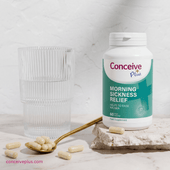
Ready to boost your fertility naturally? Conceive Plus women's fertility supplements deliver methylfolate, CoQ10, vitamin D3, and a complete micronutrient blend trusted by thousands of couples worldwide. Shop Conceive Plus now →
CoQ10: The Egg Quality Powerhouse in Fertility Supplements for Women
Coenzyme Q10 (CoQ10) has emerged as one of the most compelling fertility supplements for women, particularly those over 35. CoQ10 is a mitochondrial cofactor — it fuels the energy-intensive processes of egg maturation and early embryo development. As women age, endogenous CoQ10 levels decline, contributing to the reduced egg quality associated with advancing maternal age.
A landmark randomized controlled trial published in Fertility and Sterility (Bentov et al.) demonstrated that women over 35 who supplemented with CoQ10 for 60 days prior to IVF retrieval produced significantly more mature eggs, had higher fertilization rates, and achieved better embryo quality scores compared to the placebo group. The researchers concluded that CoQ10 supplementation effectively "rejuvenated" aging mitochondria in eggs.
For natural conception, the implications are equally significant. Eggs with healthy mitochondria are more likely to be chromosomally normal, fertilize successfully, and develop into viable embryos capable of implanting. The optimal dose appears to be 400–600 mg daily of ubiquinol (the active, reduced form of CoQ10), as it demonstrates superior bioavailability compared to the more common ubiquinone form.
Conceive Plus fertility supplements for women include CoQ10 in the ubiquinol form, ensuring your body receives the form it can immediately use without the conversion step required by ubiquinone. This matters particularly for women with compromised cellular energy metabolism — a common but often unrecognized factor in unexplained infertility.
Vitamin D3: The Fertility Hormone Modulator Most Women Are Missing
Vitamin D functions more like a hormone than a vitamin, and its influence on reproductive health is profound and far-reaching. Vitamin D receptors are found throughout the female reproductive system — in the ovaries, uterus, fallopian tubes, and placenta — underscoring its fundamental importance to conception and early pregnancy.
The statistics on vitamin D deficiency are sobering. The CDC estimates that 42% of American adults are vitamin D deficient, with higher rates among women of reproductive age, particularly those with darker skin tones, limited sun exposure, or higher body mass index. Among infertility patients, the deficiency rate is even higher.
Research published in the American Journal of Clinical Nutrition found that women with optimal vitamin D levels (≥30 ng/mL) had significantly higher implantation rates, clinical pregnancy rates, and live birth rates in IVF cycles compared to vitamin D-deficient women. For natural conception, a 2020 systematic review in Human Reproduction Update concluded that vitamin D supplementation improved ovarian reserve markers and menstrual regularity in women with polycystic ovary syndrome (PCOS).
The optimal form for supplementation is vitamin D3 (cholecalciferol), which is more effectively absorbed and retained than the D2 form often found in cheaper supplements. Fertility specialists typically recommend 2,000–4,000 IU of vitamin D3 daily for women TTC, with testing to personalize dosing. Conceive Plus fertility supplements for women include vitamin D3 at levels appropriate to support reproductive health, with no need to source it separately.
Inositol: The PCOS and Ovulation Support Supplement
Inositol — specifically myo-inositol and D-chiro-inositol — has become one of the most researched and prescribed fertility supplements for women with ovulation disorders, particularly PCOS. Inositol is a naturally occurring sugar alcohol that plays a crucial role in insulin signaling and FSH (follicle-stimulating hormone) receptor function.
In women with PCOS, inositol supplementation has demonstrated remarkable results across multiple well-designed studies. A 2019 meta-analysis in Frontiers in Endocrinology encompassing 15 randomized controlled trials found that myo-inositol supplementation significantly improved ovulation rates, menstrual regularity, hormonal profiles (reducing LH, testosterone, and insulin resistance), and live birth rates compared to placebo.
The evidence extends beyond PCOS. Even in women with regular cycles, inositol supplementation has been shown to improve egg quality in IVF cycles, with a 2020 study in Gynecological Endocrinology reporting significantly better embryo quality scores and higher pregnancy rates in the inositol group compared to control.
The most clinically validated ratio is 40:1 myo-inositol to D-chiro-inositol, which mirrors the naturally occurring ratio in human follicular fluid. Many single-inositol supplements miss this ratio, potentially reducing effectiveness. High-quality fertility supplements for women like Conceive Plus use this validated ratio to provide comprehensive ovulation support.
Iron, Omega-3, and Antioxidants: Completing Your Fertility Supplement Protocol
Beyond the headline nutrients, a comprehensive fertility supplementation protocol for women includes several additional micronutrients that work synergistically to support reproductive health.
Iron: Iron deficiency affects approximately 15% of reproductive-age women globally and is associated with anovulatory cycles. A Harvard Nurses' Health Study analysis involving 18,555 women found that supplemental non-heme iron intake was inversely associated with ovulatory infertility risk. Women consuming the highest amounts of supplemental iron had a 40% lower risk of ovulatory infertility compared to those taking none. The key is using the gentler, more bioavailable forms (iron bisglycinate) that don't cause constipation.
Omega-3 Fatty Acids (DHA/EPA): Docosahexaenoic acid (DHA) is essential for egg membrane integrity and early fetal brain development. Research published in JAMA Network Open found that women with higher circulating DHA levels had a 26% higher probability of live birth after IVF, compared to those with lower levels. For natural conception, omega-3s reduce inflammatory markers associated with endometriosis and PCOS — two of the most common causes of female infertility.
Vitamin E: As a fat-soluble antioxidant, vitamin E protects eggs from oxidative damage during the 90-day maturation period. A 2021 study in Reproductive Biology and Endocrinology found that vitamin E supplementation significantly improved endometrial thickness in women with thin endometrium — a common cause of implantation failure.
Zinc: While often associated with male fertility, zinc is equally critical for women. It supports follicle development, progesterone production, and implantation. Low zinc levels have been associated with longer time to conception in several cohort studies.
Selenium: This trace mineral is a key cofactor for thyroid hormone synthesis, and subclinical hypothyroidism is a frequently missed cause of recurrent miscarriage and infertility. Selenium also serves as an antioxidant through its role in glutathione peroxidase enzymes, protecting eggs from oxidative stress.
The challenge for most women is sourcing each of these nutrients individually — purchasing separate supplements, managing multiple doses, and ensuring the forms are bioavailable. Conceive Plus fertility supplements for women were formulated to provide this complete nutritional matrix in a single, convenient daily supplement, eliminating guesswork and reducing cost.
When to Start and How Long to Take Fertility Supplements
Timing is essential for maximum effectiveness. Because eggs take approximately 90 days to mature, fertility specialists universally recommend starting fertility supplements for women at least three months before actively trying to conceive. This ensures that the eggs being released during your TTC attempts have benefited from full supplementation throughout their maturation cycle.
For women who have been trying for some time already, the recommendation is to start immediately and maintain supplementation consistently throughout the TTC period and into early pregnancy. CoQ10 and inositol, in particular, show dose-dependent effects that accrue over time — meaning the longer you take them, the greater the benefit to egg quality and ovulation regularity.
Consistency is more important than perfection. Missing an occasional dose is unlikely to negate the benefits, but taking supplements irregularly or cycling on and off can reduce their effectiveness. Setting a consistent daily reminder — typically with breakfast to improve absorption of fat-soluble vitamins — is the most practical strategy.
Many fertility specialists now recommend continuing the same supplement protocol through the first trimester of pregnancy, transitioning to a standard prenatal vitamin afterward. This provides continuity for the early embryonic period when organogenesis is occurring and nutritional demands are highest.
Fertility Supplements vs Prenatal Vitamins: Understanding the Difference
A question that frequently arises is whether prenatal vitamins can simply replace dedicated fertility supplements for women. The short answer is no — they serve different purposes, though they complement each other.
Prenatal vitamins are formulated primarily for the nutritional demands of an established pregnancy — supporting fetal organ development, preventing neural tube defects, and meeting the increased caloric and micronutrient demands of carrying a baby. They are not optimized for the cellular processes that precede pregnancy: egg maturation, ovulation, fertilization, and implantation.
True fertility supplements are formulated with this pre-conception phase in mind. They typically contain higher doses of CoQ10, inositol, and antioxidants than standard prenatals, which are often absent or present in token amounts. They may also include fertility-specific nutrients like N-acetyl cysteine (NAC), L-arginine, or vitex that have no place in a pregnancy supplement but meaningful evidence in the fertility literature.
The ideal protocol for most women TTC is a high-quality fertility-specific supplement (like Conceive Plus) started three months before TTC, maintained throughout the active TTC period, and transitioned to a comprehensive prenatal vitamin once pregnancy is confirmed. This staged approach aligns supplementation with the biological demands at each phase of the conception journey.
FAQ: Fertility Supplements for Women
What are the most important fertility supplements for women trying to conceive?
The most evidence-backed fertility supplements for women include methylfolate (active B9), CoQ10 (ubiquinol form), vitamin D3, myo-inositol, omega-3 fatty acids (DHA/EPA), iron, vitamin E, zinc, and selenium. Each addresses specific aspects of egg quality, ovulation, and hormonal balance.
How long before trying to conceive should I start taking fertility supplements?
Fertility specialists recommend starting at least 3 months (90 days) before actively trying to conceive. This allows the full egg maturation cycle to benefit from supplementation, as eggs take approximately 90 days to mature before ovulation.
Can fertility supplements really improve egg quality?
Yes. Multiple randomized controlled trials have shown that CoQ10 supplementation improves egg quality markers, particularly in women over 35. Inositol, vitamin D, and antioxidants have also demonstrated measurable improvements in egg quality parameters in clinical studies.
Are fertility supplements for women different from prenatal vitamins?
Yes. Fertility supplements are optimized for the pre-conception phase — improving egg quality, supporting ovulation, and balancing hormones. Prenatal vitamins are formulated for the demands of an established pregnancy. Both have their place, with fertility supplements ideally used during TTC and prenatal vitamins from confirmation of pregnancy onward.
Is methylfolate better than folic acid in fertility supplements?
For many women, yes. Up to 40% of people carry MTHFR gene variants that impair folic acid conversion to its active form. Methylfolate (5-MTHF) is already in the active form, making it effective regardless of genetic status. High-quality fertility supplements like Conceive Plus use methylfolate rather than synthetic folic acid.
How much CoQ10 should women take for fertility?
Most fertility specialists recommend 400–600 mg daily of CoQ10 in the ubiquinol form (the active, reduced form). This dose has the strongest evidence base from randomized controlled trials showing improved egg quality and fertilization rates.
Can I take fertility supplements while doing IVF?
Many fertility specialists recommend starting supplements 2–3 months before an IVF cycle. However, always discuss your supplement regimen with your reproductive endocrinologist, as some high-dose supplements may need to be paused on specific days of the stimulation protocol.
Do fertility supplements work for women with PCOS?
Yes. Myo-inositol is particularly effective for women with PCOS, with multiple randomized controlled trials showing improved ovulation rates, better menstrual regularity, and reduced insulin resistance. Vitamin D, NAC, and CoQ10 also have meaningful evidence in PCOS populations.
What is the best brand of fertility supplements for women in 2026?
Look for supplements that use methylfolate (not folic acid), ubiquinol CoQ10, vitamin D3, and a clinically validated myo-inositol ratio. Conceive Plus fertility supplements for women are formulated with all of these evidence-backed ingredients and are trusted by fertility specialists worldwide.
Are there any side effects from fertility supplements for women?
Well-formulated fertility supplements are generally well-tolerated. The most common mild side effects include nausea (reduced by taking with food), vivid dreams (B vitamins), and loose stools (from iron or magnesium if dosing is too high). Inositol is exceptionally well-tolerated with an excellent safety profile even at high doses.
Start your fertility supplement protocol today. Conceive Plus fertility supplements for women deliver methylfolate, ubiquinol CoQ10, vitamin D3, myo-inositol, and a complete antioxidant complex — everything your body needs to support egg quality, ovulation, and a healthy conception. Trusted by thousands of couples in over 60 countries. Shop Conceive Plus Women's Fertility Supplements →