Can You Get Period if Your Pregnant? What Facts Say
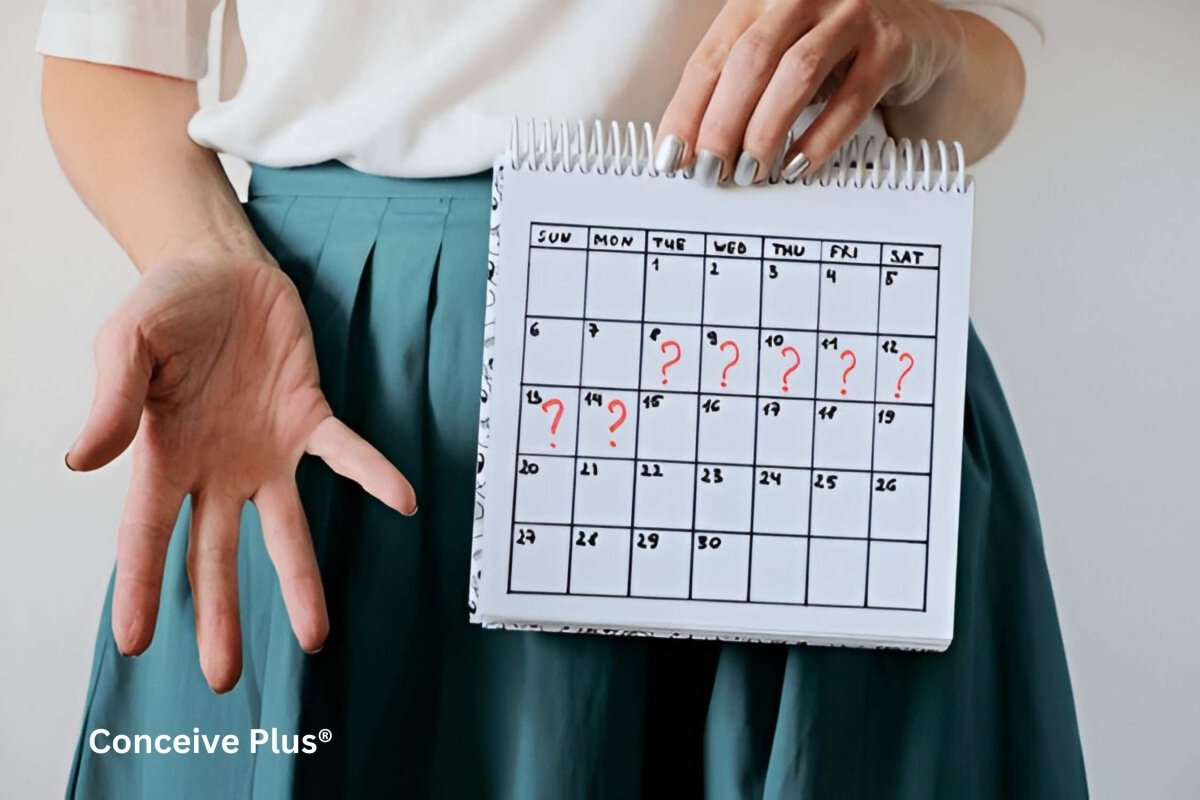

Pregnancy brings numerous physical changes, many of which can be confusing, especially if you experience unexpected symptoms. A common question for many is, “Can you get period if your pregnant?” Similarly, if you're wondering, 'how late is my period', a delayed or missed period is often one of the primary signs of pregnancy. Generally, periods cease during pregnancy because menstruation and pregnancy are typically mutually exclusive biological processes. However, bleeding in early pregnancy can occur for other reasons, leading to confusion.
In this article, we’ll address whether it’s possible to have menstrual-like bleeding during pregnancy, explore causes of early pregnancy bleeding, and clarify how this differs from menstruation in early pregnancy.

Why Menstruation Stops During Pregnancy
Menstruation is a monthly process where the body sheds the uterine lining if fertilization doesn’t occur. During a typical menstrual cycle, if no fertilized egg implants, hormone levels drop, and the body expels the uterine lining, leading to menstrual bleeding. When pregnancy occurs, however, the hormonal signals change. Progesterone levels rise significantly, helping to maintain the uterine lining and prevent it from shedding. Therefore, a normal period cannot happen if pregnancy has occurred because the body’s entire reproductive process shifts to support the developing embryo [1].
Can You Experience Bleeding During Pregnancy?
While menstruation stops, some women do experience bleeding or spotting in early pregnancy, sometimes mistaken for a period. So, can you have a period if you are pregnant? The answer is no, but early pregnancy bleeding can mimic period symptoms, especially if it occurs around the time one’s period would have normally started.
Bleeding in early pregnancy is relatively common and is reported in about 20-30% of pregnancies, typically within the first trimester. This bleeding, however, is different from menstruation and may be caused by various factors, including implantation bleeding, hormonal fluctuations, or even changes in the cervix [2].
Causes of Bleeding in Early Pregnancy
- Implantation Bleeding: This occurs when the fertilized egg attaches itself to the uterine wall, typically about 6 to 12 days after conception. Implantation bleeding is generally lighter than a period and lasts only a few days, with spotting or light pink to brown discharge. It’s one of the first signs of pregnancy for some women and often happens around the time their period would be expected.
- Hormonal Changes: Pregnancy brings significant hormonal changes that affect the reproductive organs. Sometimes, these hormonal shifts can trigger light spotting or bleeding. While this isn’t menstruation, it can still seem confusing, especially if it coincides with the regular menstrual cycle.
- Changes in the Cervix: During pregnancy, increased blood flow to the cervix can cause it to become more sensitive, making light bleeding more likely after activities such as exercise, sexual intercourse, or even a pelvic exam. This type of bleeding is typically light and short-lived, unlike a period.
- Subchorionic Hemorrhage: Occasionally, blood may accumulate between the uterine wall and the placenta, resulting in a subchorionic hemorrhage. This can lead to light to moderate bleeding and may cause anxiety for expectant mothers. However, most cases resolve without impacting the pregnancy, but a healthcare provider should always assess bleeding of this nature.
- Other Potential Causes: Bleeding in early pregnancy can also result from less common causes, such as infections or growths like polyps. Though less frequent, these can still lead to minor bleeding or spotting.

✨ Think You Might Be Pregnant?
Get fast, accurate results up to 6 days before your missed period with our early detection pregnancy test.
Shop Now — $9.80✓ Free shipping on orders over $40 | ✓ Trusted by millions of couples worldwide

How to Differentiate Early Pregnancy Bleeding from a Period
Distinguishing between early pregnancy bleeding and menstruation can be challenging. Generally, menstruation is marked by a regular flow, often lasting from three to seven days, and gradually tapers off. In contrast, bleeding associated with early pregnancy is often lighter, shorter, and may appear more as spotting rather than a full flow. Additionally, the color and consistency of early pregnancy bleeding tend to be different, with lighter shades such as pink or brown rather than the bright red associated with menstruation [3].
Another significant clue is other pregnancy symptoms. Symptoms such as fatigue, nausea, breast tenderness, and frequent urination are often present early in pregnancy, even if light bleeding occurs. If these symptoms accompany the bleeding, a pregnancy test can help clarify the cause.
Seeking Medical Attention for Bleeding During Pregnancy
Any unexpected bleeding during pregnancy should be discussed with a healthcare provider to ensure both maternal and fetal health. While many causes of early pregnancy bleeding are benign, it can sometimes signal complications, including miscarriage or ectopic pregnancy, which occurs when the fertilized egg implants outside the uterus. Symptoms of an ectopic pregnancy, such as sharp abdominal pain, dizziness, or heavy bleeding, require immediate medical attention, as this condition can be life-threatening.
If you experience persistent or heavy bleeding, or if the bleeding is accompanied by severe pain or cramping, it’s essential to seek medical advice promptly. A healthcare provider may conduct an ultrasound, pelvic exam, or blood tests to determine the cause of bleeding and offer appropriate guidance.

The Bottom Line
While it’s natural to wonder, “Can you get period if your pregnant?” the answer is no in the strict sense, as true menstruation and pregnancy do not occur simultaneously. However, light bleeding or spotting is relatively common in early pregnancy and can be confused with a period, especially if it happens around the expected menstrual cycle date.
Understanding the difference between menstruation and bleeding in early pregnancy can help alleviate concerns and clarify expectations for those who may encounter this issue. Additionally, taking prenatal supplements containing essential nutrients like folic acid can support a healthy pregnancy during these early stages. Regardless of the cause, any unexpected bleeding during pregnancy should be addressed with a healthcare professional to ensure peace of mind and, if needed, proper treatment.
Resources
- MedicalNewsToday. Can you have a period while pregnant?. [Accessed- 02/Nov/2024]. Available online- https://www.medicalnewstoday.com/articles/322598
- E.W. Harville, A.J. Wilcox, D.D. Baird, C.R. Weinberg, Vaginal bleeding in very early pregnancy, Human Reproduction, Volume 18, Issue 9, September 2003, Pages 1944–1947, https://doi.org/10.1093/humrep/deg379
- Susanne Maigaard Axelsen, Tine Brink Henriksen, Morten Hedegaard, Niels Jørgen Secher. Characteristics of vaginal bleeding during pregnancy. European Journal of Obstetrics & Gynecology and Reproductive Biology. Volume 63, Issue 2. [1995]. Pages 131-134. ISSN 0301-2115. https://www.sciencedirect.com/science/article/pii/0301211595022368
🌱 Get Answers Early
Millions of women trust Conceive Plus for their fertility journey. Clinically validated pregnancy tests delivered to your door.
Shop Pregnancy Tests →Frequently Asked Questions
Recommended by Fertility Experts
Conceive Plus Fertility Supplements
Science-backed vitamins and supplements expertly formulated to nourish your body and support reproductive health at every stage.
Shop Now →What is implantation bleeding and how is it different from a regular period?
Implantation bleeding occurs when a fertilized egg attaches to the uterine wall, typically 6-12 days after conception, and is characterized by light spotting or pink-to-brown discharge that lasts only a few days. Unlike a regular period, implantation bleeding is much lighter, shorter in duration, and does not involve the full shedding of the uterine lining that occurs during menstruation. If you experience this type of bleeding around the time of expected menstruation, it may be an early sign of pregnancy worth confirming with a pregnancy test.
Is it normal to have bleeding in the first trimester of pregnancy?
Yes, early pregnancy bleeding is relatively common, occurring in approximately 20-30% of pregnancies during the first trimester according to medical research. However, any vaginal bleeding during pregnancy should be reported to your healthcare provider to rule out complications such as miscarriage, ectopic pregnancy, or other concerns. Your doctor can perform an ultrasound or other evaluations to determine the cause and ensure the health of your pregnancy.
How can I tell if bleeding is a period or an early pregnancy sign?
A true period involves heavier flow and lasts 3-7 days as the uterine lining sheds, while implantation bleeding or other pregnancy-related bleeding is typically much lighter, shorter-lived, and may appear as spotting or light discharge. The most reliable way to distinguish between the two is to take a pregnancy test, which can detect the hormone human chorionic gonadotropin (hCG) as early as 12-14 days after conception. If you're uncertain, contact your healthcare provider or consider scheduling an early pregnancy ultrasound for confirmation.
What other causes can lead to bleeding during early pregnancy besides implantation?
Besides implantation bleeding, early pregnancy bleeding can result from hormonal fluctuations, cervical changes or sensitivity, infections, polyps, or subchorionic hematoma (bleeding between the placenta and uterine wall). In some cases, bleeding may indicate more serious concerns such as miscarriage or ectopic pregnancy, which is why it's essential to contact your healthcare provider promptly. A professional evaluation through clinical examination and ultrasound can identify the specific cause and appropriate management.
When should I contact my doctor about bleeding during pregnancy?
You should contact your healthcare provider immediately if you experience heavy vaginal bleeding, bleeding accompanied by severe cramping or abdominal pain, dizziness, or passage of tissue during pregnancy. Additionally, any unexplained bleeding warrants a call to your doctor's office, even if it seems light, to ensure proper evaluation and rule out complications. Most fertility clinics and OB/GYN offices in the US have protocols for urgent pregnancy-related concerns and can often schedule same-day or next-day appointments for evaluation.
Can progesterone levels prevent menstruation during pregnancy?
Yes, progesterone levels rise significantly during pregnancy to maintain the uterine lining and prevent it from shedding, which is the biological mechanism that stops menstruation. This hormonal shift signals the body to support the developing embryo rather than prepare for menstruation, making a true period biologically impossible once pregnancy is established. This is why a missed period is often one of the first and most reliable indicators of pregnancy.
Is a pregnancy test reliable if I'm experiencing early pregnancy bleeding?
Yes, a pregnancy test can be reliable even if you're experiencing early pregnancy bleeding, as long as it's taken at least 12-14 days after conception when hCG hormone levels are detectable. For the most accurate results, use a sensitive home pregnancy test with your first morning urine, or visit your healthcare provider for a blood test, which can detect hCG at lower levels earlier than urine tests. If your home test result is negative but you still suspect pregnancy, follow up with your doctor for confirmation through blood work or ultrasound.
Trusted by Couples in Over 70 Countries
Nourish Your Fertility With Science-Backed Supplements
The right nutrients at the right time can make a meaningful difference. Conceive Plus fertility supplements are expertly formulated with vitamins, minerals, and botanicals to support reproductive health for both men and women.
Shop Fertility Supplements →