Can You See Sperm With Your Eyes or Do You Need Microscope
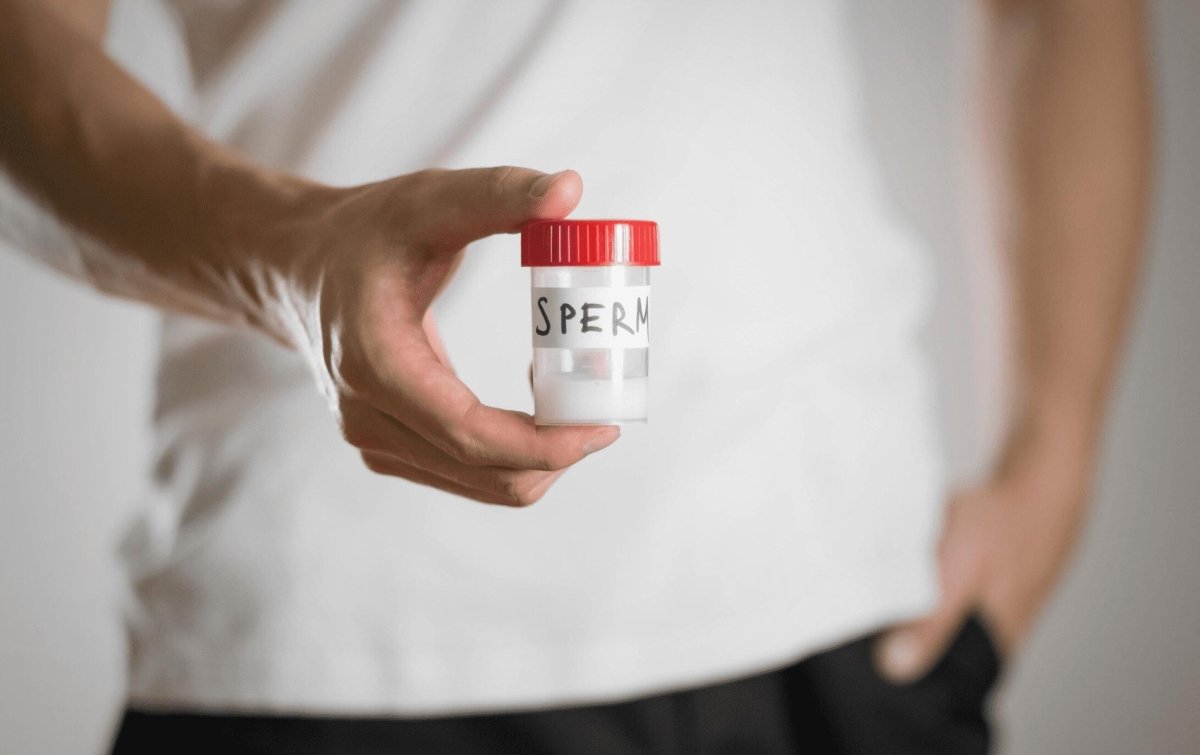

So, you're trying to conceive and might've wondered, can you see sperm with your eyes? Well, honestly, no—you really can't. Sperm is way too tiny to see without using a microscope. Understanding the size of sperm and why it's important for fertility can be helpful when you're thinking about your chances of getting pregnant.

What's the Actual Size of a Sperm?
Sperm cells are super small, like really, really small—about 0.05 millimeters in length. To give you an idea, the smallest thing you can usually see with your eyes is about 0.1 millimeters. So, no, you cannot see sperm with the naked eye [1]. Sure, you can see semen, but sperm? Not happening. Sperm is just one part of the semen, and it's transparent too, which doesn't help. You need a microscope to actually see it.
A sperm cell has three parts:
- Head: where the DNA is.
- Midpiece: full of energy (literally).
- Tail: it's what makes sperm swim.
Even though you can't see sperm with the human eye, their role in fertility is huge. If sperm isn't healthy or motile, it's not likely to reach the egg, which can make conceiving tough [2].
Why Can't You See Sperm Without a Microscope?
So, can you see sperm with your eyes? Nope. They're just way too small, and being clear, you're not gonna spot them no matter how hard you squint. Even if you had a really strong magnifying glass, it wouldn't work. You'd need a microscope, like the ones in labs, with at least 40x magnification to even begin to see them [3].
In fact, can you see sperm with the naked eye? No, you cannot. Sperm are simply too tiny and transparent. But while they're invisible to the naked eye, their health can still be supported with the right nutrients. Things like zinc, CoQ10, and folic acid can help improve sperm quality and motility, which is essential for conception [4].

Improving Sperm Health Naturally
While you cannot see sperm with the human eye, there are ways to improve their health. Eating the right things and taking certain vitamins can make sperm stronger and healthier. Some key nutrients include:
- Zinc: Helps make healthy sperm and supports your immune system [5].
- L-Arginine: Improves blood flow, which helps sperm swim better.
- CoQ10: Protects sperm from damage (thanks to its antioxidant powers).
- Selenium: Helps with sperm production and prevents damage to sperm cells.
- Folic Acid: Important for DNA synthesis, which is essential for healthy sperm development.

✨ Support Healthy Sperm
Our Motility Support supplement contains Zinc, CoQ10, and L-Carnitine — clinically studied nutrients for sperm health and motility.
Shop Now — $34.95✓ Free shipping on orders over $40 | ✓ Trusted by millions of couples worldwide
These nutrients can be found in supplements or even in your diet, and they really do make a difference in sperm health, even though you cannot see sperm with the naked eye [6].
Top Tip: Adding fertility supplements with zinc and selenium can naturally support your sperm health and help improve your chances of conceiving.
Can You Use a Magnifying Glass to See Sperm?
People sometimes ask, can you see sperm with the human eye or maybe even a magnifying glass? Well, sorry, but nope. Even with a strong magnifying glass, sperm is just too tiny to see. Only a microscope with high magnification will do the trick [7].
If you're concerned about sperm quality, find sperm analysis near me and get a semen analysis is your best bet. It'll tell you everything from sperm count to motility, and it can help you figure out what's going on. While you cannot see sperm with your eyes, the test will give you all the info you need about their health [8].
Top Tip: If you've been trying to conceive for a while without success, a semen analysis might help you get a clearer picture of your fertility situation.

The Bottom Line
So, to wrap it up—can you see sperm with your eyes? Nope, not at all. Sperm is just too small. But even though you cannot see sperm with the naked eye, their health is super important when it comes to conception. Adding nutrients like zinc, CoQ10, and folic acid to your diet can help improve sperm quality and motility, which boosts your chances of getting pregnant [9].
Though you cannot see sperm with the human eye, focusing on keeping them healthy is one of the best things you can do to improve fertility. Simple changes to your diet and lifestyle might make all the difference [10].
Citations
- Boitrelle F, Shah R, Saleh R, Henkel R, Kandil H, Chung E, Vogiatzi P, Zini A, Arafa M, Agarwal A. The Sixth Edition of the WHO Manual for Human Semen Analysis: A Critical Review and SWOT Analysis. Life (Basel). Available at: https://www.ncbi.nlm.nih.gov/pmc/articles/PMC8706130/
- Agarwal A, Mulgund A, Hamada A, Chyatte MR. A unique view on male infertility around the globe. Reprod Biol Endocrinol. Available at: https://pubmed.ncbi.nlm.nih.gov/25928197/
- O'Donnell L, Stanton P, de Kretser DM. Endocrinology of the Male Reproductive System and Spermatogenesis. [Updated 2017 Jan 11]. In: Feingold KR, Anawalt B, Blackman MR, et al., editors. Endotext [Internet]. South Dartmouth. Available at: https://www.ncbi.nlm.nih.gov/books/NBK279031/
- Menezo YJ, Silvestris E, Dale B, Elder K. Oxidative stress and alterations in DNA methylation: two sides of the same coin in reproduction. Reprod Biomed Online. Available at: https://pubmed.ncbi.nlm.nih.gov/27742259/
- Krzastek SC, Farhi J, Gray M, Smith RP. Impact of environmental toxin exposure on male fertility potential. Transl Androl Urol. Available at: https://www.ncbi.nlm.nih.gov/pmc/articles/PMC7807371/
- Lewis SE, Simon L. Clinical implications of sperm DNA damage. Hum Fertil (Camb). Available at: https://pubmed.ncbi.nlm.nih.gov/21117929/
- Esteves SC, Miyaoka R, Agarwal A. Sperm retrieval techniques for assisted reproduction. Int Braz J Urol. Available at: https://pubmed.ncbi.nlm.nih.gov/22099268/
- Guzick DS, Overstreet JW, Factor-Litvak P, Brazil CK, Nakajima ST, Coutifaris C, Carson SA, Cisneros P, Steinkampf MP, Hill JA, Xu D, Vogel DL; National Cooperative Reproductive Medicine Network. Sperm morphology, motility, and concentration in fertile and infertile men. N Engl J Med. Available at: https://pubmed.ncbi.nlm.nih.gov/11794171/
- Agarwal A, Saleh RA, Bedaiwy MA. Role of reactive oxygen species in the pathophysiology of human reproduction. Fertil Steril. Available at: https://pubmed.ncbi.nlm.nih.gov/12749418/
- Sakkas D, Alvarez JG. Sperm DNA fragmentation: mechanisms of origin, impact on reproductive outcome, and analysis. Fertil Steril. Available at: https://pubmed.ncbi.nlm.nih.gov/20080235/
🌱 Boost Male Fertility Naturally
Conceive Plus Men's Motility Support is formulated with the nutrients that matter most for sperm quality, count, and motility.
Shop Men's Fertility →Frequently Asked Questions
Recommended by Fertility Experts
Conceive Plus Men's Fertility Support
Designed to support healthy sperm production, motility, and overall male reproductive health with clinically studied nutrients.
Shop Now →What magnification level do you need to see sperm cells under a microscope?
You need at least 40x magnification to begin seeing sperm cells under a microscope. Most fertility clinics and medical laboratories use high-powered microscopes with 400x or higher magnification for detailed semen analysis and sperm evaluation. This level of magnification is necessary to assess sperm morphology, motility, and count according to standards set by the American Society for Reproductive Medicine (ASRM).
What is included in a semen analysis test at a US fertility clinic?
A standard semen analysis at a US fertility clinic measures sperm count, motility (movement), morphology (shape), and semen volume according to ASRM guidelines. The test uses microscopy to evaluate sperm health and identify any potential fertility issues. Many insurance plans cover semen analysis when ordered by a physician as part of infertility evaluation.
How can I improve sperm health and motility naturally?
Key nutrients that support sperm health include zinc, CoQ10, selenium, L-arginine, and folic acid. Lifestyle changes such as maintaining a healthy weight, reducing stress, avoiding smoking and excessive alcohol, and getting regular exercise can also significantly improve sperm quality. Speaking with a reproductive endocrinologist or urologist can help you develop a personalized plan to optimize sperm health.
Can low sperm motility affect my chances of getting pregnant?
Yes, poor sperm motility is a significant factor in male infertility and can substantially reduce your chances of natural conception. If sperm cannot swim effectively, they're unable to reach and fertilize the egg. If motility issues are identified during a semen analysis, your fertility doctor may recommend treatments ranging from lifestyle modifications to assisted reproductive techniques like IUI or IVF.
What does it mean if sperm morphology is abnormal?
Abnormal sperm morphology means the sperm cells have an irregular shape, which can affect their ability to swim and fertilize an egg. According to ASRM standards, at least 4% of sperm should have normal morphology for adequate fertility. Your fertility specialist can discuss treatment options if morphology issues are identified, which may include nutritional support, lifestyle changes, or assisted reproductive procedures.
How often should I get a semen analysis if we're trying to conceive?
The American Society for Reproductive Medicine recommends a semen analysis if conception hasn't occurred after one year of unprotected intercourse (or six months if the female partner is over 35). If the first test shows abnormalities, your doctor may recommend a repeat test after 2-3 months, as sperm production takes approximately 74 days. Your fertility specialist will determine the appropriate testing schedule based on your individual situation.
Are supplements for sperm health covered by insurance?
Most fertility supplements and vitamins are not covered by standard health insurance plans, as they're typically classified as over-the-counter products rather than prescription medications. However, some prescription fertility treatments recommended by your doctor may have partial coverage depending on your plan. It's best to check with your insurance provider and fertility clinic about what costs they cover for male factor infertility treatment.
Trusted by Couples in Over 70 Countries
Support Male Fertility From the Inside Out
Male fertility is just as important as female fertility in the conception journey. Conceive Plus Men's range delivers targeted nutritional support to promote healthy sperm and overall reproductive wellbeing.
Shop Men's Range →