Coconut Oil as Lube: Is It Safe and Effective?


Coconut oil is a versatile product known for its benefits in cooking, skincare, and even oral health. Recently, some people have turned to coconut oil for more intimate purposes such as using it as a lubricant during sex. It might seem like a natural alternative to chemical-based lubricants. But still many of you may wonder, is it safe to use coconut oil as lube? Let’s understand why can coconut oil be used as a personal lubricant and how to use it for best experience.

Can You Use Coconut Oil as Lube?
Coconut oil is often promoted as a natural, chemical-free option for regular skin care. And that’s why many people use it for lubrication during sex. The reason is simple: most people prefer natural alternatives over synthetic lubricants. Coconut oil is popular because it is widely available and affordable. But the question still remains: can you use coconut oil as lube safely? Or can coconut oil be used as lube at all?
Yes, coconut oil can be used as a lubricant. It provides a smooth texture, reduces friction, and can be moisturizing for the skin. For many people, it works well and is considered more nourishing than some commercial lubricants, which may contain chemicals or fragrances that irritate sensitive areas. If you want to have a longer and smoother experience with your partner, it's advised to get the best coconut oil for lube.
Benefits of Using Coconut Oil as a Lubricant
There are a few key advantages to using coconut oil as lube:
- Natural and Chemical-Free: A question like ‘can coconut oil be used as a lube?’ shouldn’t even exist because you are using a natural product. Coconut oil has no added chemicals or synthetic ingredients. This makes it an attractive choice for individuals who prefer a more organic approach to personal care.
- Best for Vaginal Dryness: Coconut oil is known for its moisturizing properties. Coconut oil vaginal dryness benefits go beyond the discomfort relief during sex. In fact, coconut oil for vaginal dryness can provide relief due to its ability to lock in moisture [1].
- Long-Lasting: Coconut oil for lubricant will not dry out as fast as water-based lubes. People often ask, “Can I use coconut oil as lube for longer periods?” Yes, you can use it for extended periods without needing to reapply. It’s a very convenient option for longer intimate sessions.
- Readily Available: You went out to buy a lube but your nearest grocery store is out of any sexual wellness products. In that case, can you use coconut oil for lube? Yes because it is the easiest thing to find at most grocery stores. Moreover, it usually costs less than commercial lubricants, making it a budget-friendly option for personal use.
Potential Risks of Using Coconut Oil as Lube
Despite its benefits, using coconut oil for sex lube isn’t without risks. It’s essential to be aware of the potential downsides before incorporating it into your intimate life.
-
Can Coconut Oil Cause Yeast Infections?
One common concern is whether coconut oil can cause yeast infections. Coconut oil contains lauric acid, which has antimicrobial properties that may help fight certain bacteria and fungi. However, its fatty nature can also alter the natural balance of the vaginal environment. Some individuals may experience yeast infections or irritation after using coconut oil, especially if they are prone to such infections. Always monitor how your body responds after using any new product in sensitive areas [2].
-
Not Compatible with Latex Condoms

✨ Trying to Conceive?
Our Ovulation & Fertility Bundle combines Myo-Inositol with essential vitamins to support healthy hormone balance and regular ovulation.
Shop Now — $55.00✓ Free shipping on orders over $40 | ✓ Trusted by millions of couples worldwide
Coconut oil for lube is not safe to use with latex condoms. Oil-based lubricants, including coconut oil, can break down latex, increasing the risk of condom failure and, consequently, the chance of unintended pregnancies or sexually transmitted infections (STIs). If you use condoms during intercourse, it’s best to stick with water-based or silicone-based lubricants [3].
-
Can It Clog Pores?
Coconut oil personal lubricant may clog pores, leading to irritation or breakouts in areas where the skin is sensitive. If you have acne-prone or sensitive skin, you may want to avoid using coconut oil lube to prevent any unwanted reactions.
-
Not fertility friendly
When trying to conceive it is advised to use a fertility lubricant that is clinically proven safe for sperm during your ovulation days. Coconut oil is not sperm safe, causing a barrier to sperm survival and should therefore be avoided if you are trying for a baby, at least outside of your fertile days.

Best Practices for Using Coconut Oil as Lubricant
If you decide to use coconut oil sexually, it’s crucial to choose the right type and follow a few basic guidelines to ensure the best experience:
-
Choose the Right Type of Coconut Oil
Not all coconut oils are the same. Can coconut oil be used a lube depends on the right type also. To reduce the risk of irritation or infection, go for organic, unrefined, and virgin coconut oil. These types are the least processed and contain no added chemicals or preservatives. The best coconut oil for sex is one that is pure and free of additives.
-
Test for Allergies
Before using coconut oil as a personal lubricant, do a patch test on a small area of your skin. Apply a small amount of the oil to your inner arm and wait 24 hours. If there’s no reaction, it’s likely safe for use in more sensitive areas.
-
Clean Up Thoroughly
Since coconut oil for sexual lube is thicker and more viscous than water-based lubricants, it may take longer to wash off. After using coconut oil during sex, it’s essential to clean the area thoroughly to avoid any lingering bacteria that could lead to infections.
-
Consult a Healthcare Professional
If you have questions like- can coconut oil be used as personal lubricant in some vaginal issue, it’s best to consult your healthcare provider. If you’re prone to yeast infections or other vaginal issues, give a call to your doctor before using coconut oil. They can offer personalized advice based on your medical history [4].
Common Questions About Coconut Oil as Lube
Is Coconut Oil a Good Lube for Everyone?
Is coconut oil good for lube for everyone? Not necessarily. It may work well for most people. But those with sensitive skin or a history of infections may want to avoid it or proceed with caution.
Can I Use Coconut Oil for Female Lubricant?
Yes, coconut oil for female lubricant is often used due to its moisturizing properties. However, as mentioned earlier, it’s crucial to ensure you don’t have a sensitivity to coconut oil before using it regularly.
Is Coconut Oil Safe to Use as Lube with Toys?
Can you use coconut oil as a lubricant with sex toys? It depends on the material of the toy. Silicone-based toys are usually safe to use with oil-based lubricants like coconut oil, but rubber and latex toys may degrade over time when exposed to oils. Always check the manufacturer’s recommendations.

Final Thoughts on Using Coconut Oil as a Lubricant
So to answer your question, “can coconut oil be used as a lubricant.”, yes it can be indeed. Coconut oil as lube is a great natural option for those looking for a chemical-free, moisturizing, and long-lasting personal lubricant. However, it’s not suitable for everyone, especially those who use latex condoms or are prone to yeast infections. If you’re considering using coconut oil as a lubricant, start with a patch test, choose unrefined oil, and monitor how your body responds to avoid any negative side effects.
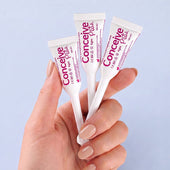
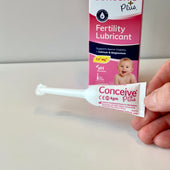
Trying to Conceive? When it's time for a baby, using Conceive Plus Fertility Lubricant can help increase the chances of getting pregnant naturally.
Sources
- https://www.ncbi.nlm.nih.gov/pmc/articles/PMC10350307/
- https://onlinelibrary.wiley.com/doi/full/10.1155/2016/7061587
- https://www.medicalnewstoday.com/articles/282857
- https://www.health.com/condition/sexual-health/coconut-oil-lube
Buy conception products online at Conceive Plus, the fertility brand trusted by couples and healthcare professionals in over 70 countries! Order premium conception supplements on our website today, the best conception kits for sale for TTC couples.
🌱 Support Your Fertility Journey
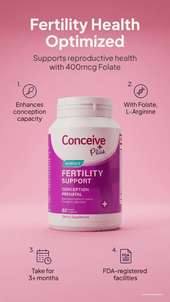
Conceive Plus fertility supplements are clinically formulated to help regulate your cycle and support egg quality.
Shop Fertility Support →Frequently Asked Questions
Recommended by Fertility Experts
Conceive Plus Men's Fertility Support
Designed to support healthy sperm production, motility, and overall male reproductive health with clinically studied nutrients.
Shop Now →Is coconut oil safe to use with condoms and other contraceptives?
No, coconut oil is not safe to use with latex condoms, as oil-based lubricants can degrade latex and compromise contraceptive effectiveness. However, coconut oil is generally compatible with non-latex condoms made from polyisoprene or polyurethane. If you're using hormonal birth control or other contraceptive methods, coconut oil won't interfere, but always verify condom material compatibility before use.
Can coconut oil cause yeast infections or bacterial vaginosis?
While coconut oil has some antimicrobial properties, it can still disrupt the vaginal microbiome in some people, potentially increasing infection risk. If you have a history of yeast infections or bacterial vaginosis, consult your gynecologist before using coconut oil as a lubricant, as individuals with sensitive vaginal flora may be more susceptible to complications.
Does the FDA regulate coconut oil as a personal lubricant?
The FDA does not regulate coconut oil specifically as a sexual lubricant since it's classified as a food product. Lubricants marketed for sexual use are regulated by the FDA as medical devices, but pure coconut oil falls outside this category. If you choose to use food-grade coconut oil, be aware it lacks the regulatory oversight of FDA-approved lubricants.
Can using coconut oil as lube affect fertility or conception attempts?
Coconut oil may have a negative impact on sperm motility similar to other oil-based lubricants, which could potentially affect fertility outcomes during conception attempts. The American Society for Reproductive Medicine (ASRM) recommends using fertility-friendly lubricants specifically formulated to be sperm-safe if you're actively trying to conceive. Consult with your fertility specialist about appropriate lubricant options during your treatment cycle.
Is there a difference between virgin coconut oil and refined coconut oil for intimate use?
Virgin coconut oil has fewer processing chemicals and retains more antimicrobial compounds, making it the preferable choice if using coconut oil as a lubricant. Refined coconut oil has been bleached and deodorized, which may introduce additives not suitable for sensitive intimate areas. For any intimate use, select organic, virgin, food-grade coconut oil without additives or fragrances.
What are safer alternatives to coconut oil recommended by gynecologists?
Gynecologists typically recommend water-based or silicone-based lubricants specifically formulated for intimate use, as these are FDA-regulated and tested for safety and compatibility with condoms. For fertility purposes, consider sperm-safe lubricants like Pre-Seed or Conceive Plus if you're trying to conceive. These products have undergone clinical testing and are safer choices than food-based oils for regular intimate use.
Can coconut oil irritate sensitive skin or cause allergic reactions?
While rare, some people may experience allergic reactions or irritation to coconut oil, particularly those with coconut allergies or very sensitive intimate skin. Patch testing coconut oil on a small area of skin first can help identify potential sensitivities before broader use. If you experience redness, itching, burning, or unusual discharge after use, discontinue and consult your healthcare provider.
Trusted by Couples in Over 70 Countries
Support Male Fertility From the Inside Out
Male fertility is just as important as female fertility in the conception journey. Conceive Plus Men's range delivers targeted nutritional support to promote healthy sperm and overall reproductive wellbeing.
Shop Men's Range →