Declining Fertility Rate - key Challenge to the Prenatal Testing Market in the US


Reportstack has announced a new market research publication on Prenatal Testing Market in the US 2014-2018. The report pinpoints declining fertility rate as a key challenge to the American prenatal testing market. The findings are for the forecast period 2014-2018. The declining fertility rate and related drop in number of pregnancies is leading to a marked reduction in the demand for prenatal testing. Additionally, the risks related to invasive diagnostic procedures are also discouraging expectant mothers from undergoing these procedures.

✨ Start Your Prenatal Care Today
Our Prenatal Vitamins with DHA, Choline & Folate provide the essential nutrients you and your baby need for a healthy start.
Shop Now — $34.95✓ Free shipping on orders over $40 | ✓ Trusted by millions of couples worldwide
”The US fertility rate fell from 69 births per 1,000 women in the 15-44 age groups in 2007 to a record low of 63 births per 1,000 women in 2012. This has been due to the changing modern lifestyle and the growing trend of having fewer children,” said a TechNavio senior analyst and report co-author. While prenatal testing helps parents and doctors diagnose chromosome abnormalities, it also has some negative psychological consequences. There has been increasing concerns that predictive testing might lead to higher suicide rates of among identified carriers. Additionally, diagnosis of a disability or genetic disorder could result in parents aborting the pregnancy.
To determine the scenario for these vendors in the next 3-4 years, Analysts have conducted in-depth analysis of the impact of market drivers, challenges and trends featuring data on product segmentations, vendor shares, growth rate by revenue and an evaluation of the different buying criteria in the order of importance.
To view the table of contents and know more details please visit Prenatal Testing Market in the US 2014-2018.
🌱 Everything You and Baby Need
Conceive Plus Prenatal Vitamins are formulated with DHA for brain development and Folate for neural tube protection.
Shop Prenatal Vitamins →Frequently Asked Questions
Recommended by Fertility Experts
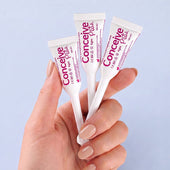
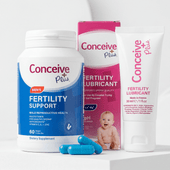
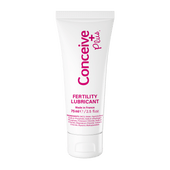
Conceive Plus Fertility Lubricant
Specially formulated to be sperm-friendly and isotonic, supporting your natural conception journey without disrupting the reproductive environment.
Shop Now →Why has the US fertility rate declined in recent years?
The US fertility rate has dropped from 69 births per 1,000 women in 2007 to 63 per 1,000 in 2012, primarily due to changing modern lifestyles and a growing societal trend toward having fewer children. Economic factors, delayed childbearing, and increased access to contraception have also contributed to this decline. This lower fertility rate directly impacts demand for prenatal testing services across the country.
What are the risks of invasive prenatal diagnostic procedures?
Invasive prenatal tests like amniocentesis and chorionic villus sampling (CVS) carry small risks of miscarriage, infection, and bleeding. While complications are rare, the potential risks are discouraging many expectant mothers from pursuing these procedures, leading them to explore non-invasive alternatives like cell-free DNA testing instead. It's important to discuss the specific risks and benefits with your healthcare provider based on your individual situation.
What psychological effects can prenatal testing results have?
Prenatal testing, particularly when it reveals genetic disorders or chromosomal abnormalities, can lead to significant psychological stress, anxiety, and depression in expectant parents. Research has raised concerns about potential increased rates of pregnancy termination following a diagnosis of a disability or genetic condition. Genetic counseling before and after testing is recommended to help families process results and make informed decisions aligned with their values.
Is prenatal testing covered by insurance in the US?
Many major US insurance plans, including Medicare and most private insurers, cover prenatal screening tests, particularly for women over 35 or with risk factors. However, coverage varies significantly depending on your specific plan, whether the test is considered screening or diagnostic, and whether it's performed at an in-network facility. Contact your insurance provider directly to understand your coverage before scheduling any prenatal testing.
What non-invasive prenatal testing options are available?
Non-invasive prenatal testing (NIPT), also called cell-free DNA screening, analyzes fetal DNA in maternal blood and has become increasi
How do I decide whether prenatal testing is right for me?
The decision to pursue prenatal testing is personal and should be made after consulting with your obstetrician and a genetic counselor who can assess your individual risk factors, family history, and preferences. Consider your age, medical history, what you would do with the results, and your comfort level with potential outcomes before making a decision. Your healthcare team can help you understand the benefits, limitations, and implications of each testing option available to you.
What does the ASRM recommend regarding prenatal screening?
The American Society for Reproductive Medicine (ASRM) recommends that all pregnant individuals, regardless of age, be offered prenatal screening options and genetic counseling to understand the available tests. They emphasize that screening and diagnostic testing decisions should be individualized based on patient preferences, risk factors, and values. ASRM supports both invasive and non-invasive testing options, with the choice dependent on the patient's circumstances and preferences.
Trusted by Couples in Over 70 Countries
Start Your Fertility Journey With the Right Support
Conceive Plus Fertility Lubricant is specially formulated to be compatible with sperm, eggs, and embryos. Whether you are just starting out or have been trying for a while, our products are designed to work with your body — not against it.
Explore Fertility Lubricant →