How Different Uterus Shapes Affect Fertility and Pregnancy?
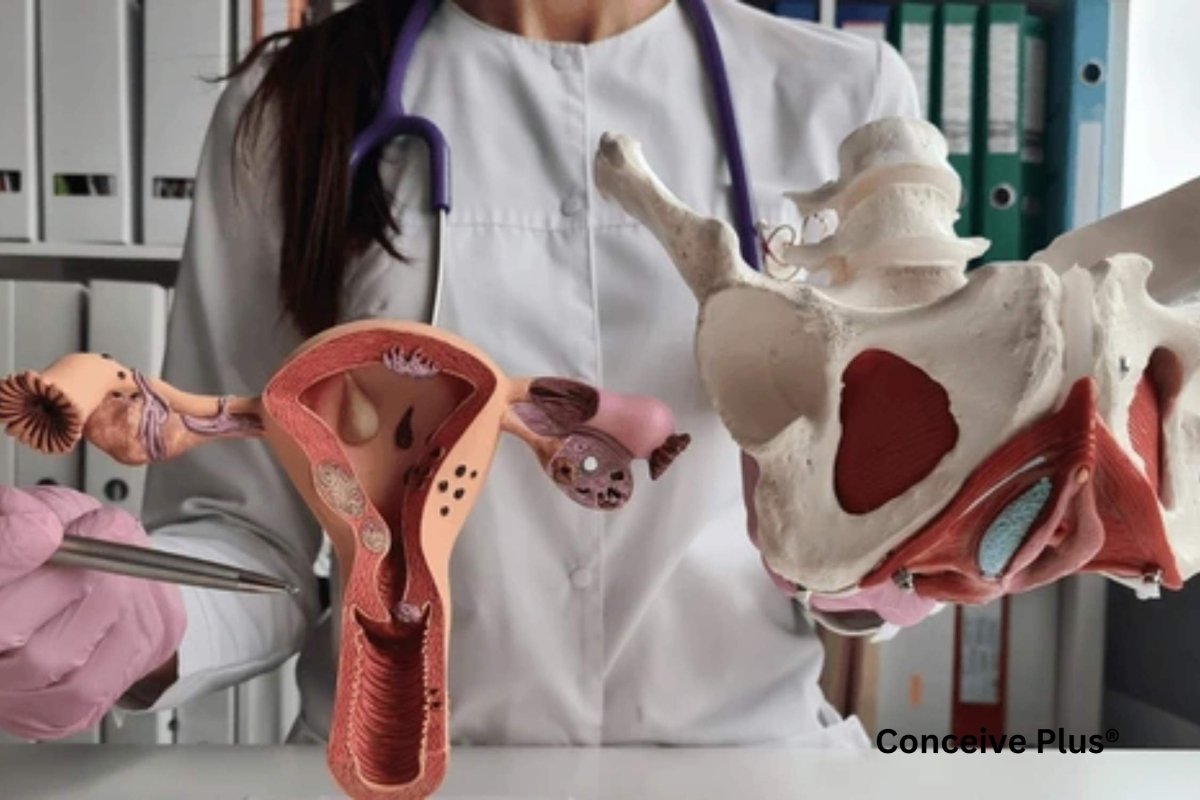

The uterus is an important organ of the female reproductive system. It is where an embryo implants after fertilization and develops into a mature baby [1]. But did you know that there are different uterus shapes, and some may impact the fertility and chances of pregnancy for a woman?
Most women have an inverted pear-shaped uterus, but some have different uterine shapes [2]. These variations are usually present from birth and can sometimes affect fertility and pregnancy.
In this article, we will discuss different uterine shapes, what are the causes behind these shapes, and how they can impact female fertility.

What Determines Uterine Shape?
The shape of a uterus is formed during early development when a baby is still in the womb. This process involves the joining of two small tubes called Müllerian ducts [3]. When these ducts join properly, they form a pear-shaped uterus.

If these ducts do not join properly, it can lead to the formation of abnormal uterine shapes. Genetics also has a major role in this process. The standard shape is a pear-shaped uterus, which works well for menstruation and pregnancy.
Types of Uterine Shapes
Here are some of the types of uterine shapes and an explanation of how they can impact fertility:
-
Pear Shaped
A normal uterus is pear-shaped, which can look like an upside-down pear, and has smooth walls [2]. This shape is the most common uterine shape in women, and it supports a healthy pregnancy and menstruation.
-
Bicornuate Uterus
A bicornuate uterus has two upper parts, making it appear like a heart in shape. This happens when the Müllerian ducts do not fully merge. Studies show that women with this shape might face challenges during pregnancy, such as miscarriage or preterm birth [4].
-
Septate Uterus
A septate uterus has a wall of tissue — septum — that divides the uterus [5]. This is one of the most common abnormalities of uterine shape. It can sometimes lead to difficulty in conception or miscarriage. Fortunately, surgery can fix this condition and improve fertility.
-
Arcuate Uterus
An arcuate uterus has a slight dip or indentation at the top of the endometrium but is still close to the normal shape. This variation usually does not affect fertility or pregnancy.
-
Unicornuate Uterus
A unicornuate uterus is a condition when only one side of the uterus develops [6]. This shape of the uterus is rare and can cause problems like irregular periods or difficulty carrying a pregnancy.
-
Didelphic Uterus

✨ Trying to Conceive?
Our Ovulation & Fertility Bundle combines Myo-Inositol with essential vitamins to support healthy hormone balance and regular ovulation.
Shop Now — $55.00✓ Free shipping on orders over $40 | ✓ Trusted by millions of couples worldwide
A didelphic uterus means a woman has two separate uteruses, often with two cervixes [7]. This can make pregnancy more complex, but many women with this condition have successful pregnancies.
-
T-shaped Uterus
A T-shaped uterus is narrow and shaped like the letter "T." This can occur due to certain drug exposures during a woman's fetal development. It may lead to fertility issues, but treatment options are available.

How Uterine Shapes Impact Health and Pregnancy?
The uterus has a major role in achieving pregnancy. Its shape allows the sperm cells to reach the egg in the fallopian tube. After fertilization, the uterus receives the fertilized egg for implantation. Understanding the position of the uterus, such as anteverted vs retroverted uterus, can also play a role in fertility and pregnancy, as it affects how the uterus aligns within the pelvic cavity.
Because of this important role of the uterus in pregnancy, different uterine shapes can affect fertility and pregnancy. Some shapes may increase the risk of miscarriage, preterm labor, or abnormal baby positioning. Women with abnormal shapes need extra care and monitoring during pregnancy.

How to Diagnose Uterine Shape Abnormalities?
Early diagnosis of the structural abnormalities of the uterine is important, especially for women with infertility or multiple miscarriages. Doctors use special tests to check for uterine shapes. These include:
- Ultrasound: Ultrasound uses sound waves to create images of the uterus. This can help identify any abnormal shape of structures in the uterus.
- Hysterosalpingography (HSG): In this method, a dye is injected into the uterus to view the uterus on an X-ray. X-ray image shows the boundaries of the uterus, which helps identify its shape.
- MRI: It involves the use of magnetic and radio waves to get detailed images of the uterus.
Treatments for Abnormal Uterine Shapes
Treatment depends on the type of uterine shape and how that shape influences fertility or uterus pregnant. If an abnormal uterine shape isn't causing any problems or lowering fertility, you may not need any treatment.
When treatment is required, here are some options:
- Surgery: Procedures like metroplasty can correct shapes like a septate or bicornuate uterus.
- Fertility Treatments: Assisted reproductive technologies can help women when the uterus can’t provide favorable conditions for fertilization.
The Bottom Line
A pear-shaped uterus is a normal shape for the uterus, and it supports fertility and pregnancy. However, not all women have a pear-shaped uterus. Some other shapes of the uterus include bicornuate uterus, septate uterus, arcuate uterus, and unicornuate uterus. For women looking to enhance their fertility, products like Conceive Plus Ovulation Support can provide additional nutritional support to promote healthy ovulation and reproductive health.
Different uterus shapes can impact fertility and pregnancy for a woman. Some abnormal uterine shapes, such as arcuate uterus, don't significantly impact the fertility health of a woman. On the other hand, women with bicornuate uterus may find it difficult to conceive or maintain a healthy pregnancy. Fortunately, there are different treatment options available to correct most of the uterine shape abnormalities and improve fertility.

Resources Used
- Rosner, J., Samardzic, T., & Sarao, M. S. (2024b, March 20). Physiology, Female Reproduction. StatPearls - NCBI Bookshelf. https://www.ncbi.nlm.nih.gov/books/NBK537132/
- Udhani, C., & Refaey, M. (2008). Uterus. Radiopaedia.org. https://doi.org/10.53347/rid-4570
- Mullen, R. D., & Behringer, R. R. (2014). Molecular Genetics of Müllerian Duct Formation, Regression and Differentiation. Sexual Development, 8(5), 281–296. https://doi.org/10.1159/000364935
- Ikhuoriah, T., Oboh, D., Abramowitz, C., & Musheyev, Y. (2023). Bicornuate uterus: A rare case of a viable full term pregnancy in the right uterine horn. Radiology Case Reports, 18(6), 2107–2111. https://doi.org/10.1016/j.radcr.2023.03.014
- Chang, Y., Shen, M., Wang, S., Guo, Z., & Duan, H. (2023). Reproductive outcomes and risk factors of women with septate uterus after hysteroscopic metroplasty. Frontiers in Endocrinology, 14. https://doi.org/10.3389/fendo.2023.1063774
- Mahany, E. B., & Smith, Y. R. (2016). Unicornuate Uterus. In Springer eBooks (pp. 111–118). https://doi.org/10.1007/978-3-319-27231-3_10
- Jorgensen, C., & Lusiak, M. (2021). Didelphys Uterus in Pregnancy, an Uncommon Mullerian Duct Anomaly: A Case Report. Clinical Practice and Cases in Emergency Medicine, 5(4), 447–449. https://doi.org/10.5811/cpcem.2021.7.53212
🌱 Support Your Fertility Journey
Conceive Plus fertility supplements are clinically formulated to help regulate your cycle and support egg quality.
Shop Fertility Support →Frequently Asked Questions
Recommended by Fertility Experts
Conceive Plus Men's Fertility Support
Designed to support healthy sperm production, motility, and overall male reproductive health with clinically studied nutrients.
Shop Now →Q: Does the shape of your uterus affect pregnancy?
A: Yes, uterine shape can affect pregnancy outcomes, though many women with uterine variations conceive successfully. According to the American Society for Reproductive Medicine (ASRM), certain uterine shapes—such as a septate or unicornuate uterus—may increase the risk of miscarriage or preterm birth compared to the standard pear-shaped uterus. However, most uterine abnormalities do not prevent conception; they primarily impact implantation success and pregnancy maintenance. Many women are unaware of their uterine shape until they experience fertility challenges or undergo imaging for other reasons. Working with a fertility specialist can help determine whether your specific uterine anatomy requires intervention or additional support during conception.
Q: What are the different types of uterus shapes?
A: The American College of Obstetricians and Gynecologists (ACOG) recognizes several uterine shapes, with the bicornuate (heart-shaped), septate (divided by a wall), unicornuate (single horn), and didelphys (double uterus) being the most common variations. The standard pear-shaped uterus, called a normal bicorporeal uterus, is present in approximately 85-90% of women. These variations typically develop during fetal growth when the two fallopian tubes fail to fuse completely or partially. While some variations are asymptomatic and never affect fertility, others may impact embryo implantation or increase pregnancy complications. Understanding your uterine shape through ultrasound or MRI imaging can help guide fertility treatment decisions and prenatal care planning.
Q: Can you get pregnant with an abnormal uterus shape?
A: Yes, most women with abnormal uterine shapes can become pregnant, though conception rates and pregnancy success may vary depending on the specific shape. Studies show that women with a septate uterus have about a 30-40% miscarriage rate without intervention, compared to 15-20% in the general population, but this risk can be reduced with surgical correction. Women with unicornuate or bicornuate uteri often experience successful pregnancies but may require closer prenatal monitoring due to increased risks of preterm labor or intrauterine growth restrictions. Fertility supplements like Conceive Plus support reproductive health by enhancing cervical fluid and creating an optimal environment for sperm survival, which can be beneficial regardless of uterine shape. If you're concerned about your uterine anatomy, consulting with a fertility specialist can provide personalized guidance on your conception prospects.
Q: How do doctors diagnose different uterus shapes?
A: Doctors typically diagnose uterine shape variations through transvaginal ultrasound, which is the most common and non-invasive method used in US fertility clinics and gynecology offices. For more complex cases, three-dimensional ultrasound or magnetic resonance imaging (MRI) may be recommended to provide detailed visualization of the uterine structure and distinguish between similar-looking variations. Some women discover their uterine shape incidentally during routine gynecological exams or fertility evaluations, while others may be diagnosed after experiencing recurrent miscarriages or pregnancy complications. The FDA-approved imaging technologies used in these diagnostic procedures are safe and carry no radiation risks. Early diagnosis allows you and your healthcare provider to develop an appropriate fertility plan and determine if any interventions are necessary before attempting conception.
Q: Does a septate uterus affect fertility?
A: A septate uterus can affect fertility outcomes primarily because the septum (the dividing wall) has poor blood supply, making implantation and early pregnancy development challenging. According to ASRM guidelines, women with a septate uterus have significantly higher miscarriage rates—up to 40% without intervention—compared to the general population. The good news is that a septate uterus is the only major uterine abnormality that is routinely corrected surgically through a hysteroscopic septum resection, which can substantially improve pregnancy success rates. Many fertility specialists recommend this minimally invasive procedure before pursuing conception or assisted reproductive treatments. Combined with proper nutrition, hydration, and fertility-supporting supplements like Conceive Plus, women with a corrected septate uterus typically have excellent chances of achieving healthy pregnancies.
Trusted by Couples in Over 70 Countries
Support Male Fertility From the Inside Out
Male fertility is just as important as female fertility in the conception journey. Conceive Plus Men's range delivers targeted nutritional support to promote healthy sperm and overall reproductive wellbeing.
Shop Men's Range →