Does Vitamin C Prevent Pregnancy? Myths vs Facts


People may choose to prevent pregnancy for various personal, health, or financial reasons, such as wanting to focus on career goals or ensure financial stability before starting a family. Such people often look for easy-to-apply contraceptive methods to prevent pregnancy.
In the search for contraceptive options, many wonder if common vitamins, like vitamin C, can play a role. Some people ask, "Does vitamin C prevent pregnancy?" or "Can vitamin C help prevent pregnancy?" This question exists because vitamin C is known to influence hormonal levels [1].
In this article, we will explore whether vitamin C is effective as a contraceptive agent, and what is the mechanism of its working.
Can Vitamin C Help Prevent Pregnancy?
Vitamin C is a powerful antioxidant that protects cells from the damage of oxidative stress [2]. It also supports the immune system and skin health. It is believed that vitamin C can have an effect on female fertility hormones [1].
Some people believe that high doses of vitamin C could prevent pregnancy by impacting hormone levels. However, it's important to know that there is no scientific evidence supporting vitamin C for contraception. Taking vitamin C alone does not reliably prevent pregnancy.
Instead, studies show that vitamin C can positively impact fertility health and increase the chances of conception [3]. Additionally, vitamin C can act as a fertility aid for male reproductive health, improving sperm quality and enhancing fertility.

Vitamin C for Contraception
The reason why people ask does vitamin c help prevent pregnancy is because it can influence hormonal levels and have acidic properties. Some people think taking high doses of vitamin C can lower estrogen or other reproductive hormones, therefore acting as a contraceptive.
However, vitamin C has no significant negative impact on reproductive hormonal levels and does not work to prevent pregnancy. Vitamin C supports immune function, skin health, and tissue repair, but it is not a form of birth control. If you only rely on vitamin C for contraception, this can lead to unplanned pregnancies.
Risks of Using Vitamin C to Prevent Pregnancy
If you take an abnormally high dosage of vitamin C, far beyond the daily recommended intake, it can potentially cause many adverse effects on the body. Studies show that consuming too much vitamin C can cause side effects like stomach upset, diarrhea, and even kidney stones [4]. Vitamin C does not help prevent pregnancy, and taking large doses can put unnecessary stress on the body.

✨ Support Healthy Sperm
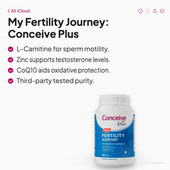
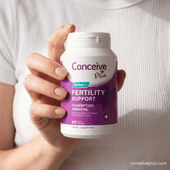
Our Motility Support supplement contains Zinc, CoQ10, and L-Carnitine — clinically studied nutrients for sperm health and motility.
Shop Now — $34.95✓ Free shipping on orders over $40 | ✓ Trusted by millions of couples worldwide
One should not use vitamin C as a form of birth control since it is ineffective and not safe in higher dosages. There is no inhibitory role of vitamin C for ovulation or sperm fertilization. If your goal is to prevent pregnancy, it is a good idea to prefer medically approved contraceptives.
Common Effective Contraceptive Methods
When planning to prevent pregnancy, it's best to choose from safe and medically tested contraceptive options. Birth control pills, intrauterine devices (IUDs), condoms, and some other contraceptives are scientifically proven to be effective [5]. Consulting with a healthcare provider is the best approach to choosing a method that fits individual needs.
If the goal is to prevent pregnancy, it's essential to avoid relying on myths, such as the idea of vitamin C for contraception. Consulting with a healthcare provider will provide accurate information and help individuals choose safe options.

Conclusion
Many people believe that vitamin C can negatively impact fertility hormones, lowering the chances of conception or chances of achieving pregnancy. The short answer to "Does vitamin C prevent pregnancy?" is NO. Evidence does not show any satisfactory results of the use of vitamin C as contraceptives.
Therefore, if you really intend to avoid getting pregnant, do not think of myths such as the use of vitamin C as contraception. Instead, visit your doctor and ask him about the possible contraception that can be applied to your case. Furthermore, if you're considering future pregnancy, maintaining reproductive health by using supplements with essential nutrients like folic acid and antioxidants can be beneficial.
FAQs
-
Why do some people think vitamin C can help prevent pregnancy?
People think vitamin C can help prevent pregnancy because it is believed that vitamin C impacts fertility hormones. In reality, vitamin C does not interfere with ovulation or fertilization and should not be used as a birth control method.
-
Is vitamin C safe to take during pregnancy?
Vitamin C fertility is beneficial for pregnant women when taken in the recommended amounts. It supports immune health, tissue growth, and iron absorption.
-
What are safe and reliable contraceptive options?
There are many safe and effective contraceptive methods, including birth control pills, intrauterine devices (IUDs), condoms, and hormonal injections. You must consult your healthcare provider to determine the best option based on your needs and preferences.

Resources Used
- Bostanci, M. S., Bayram, M., & Keskil, Z. A. (2012b). The Effects of Ascorbic Acid on the Estrogen/Progesteron Levels in the Isolated Rabbit Uterine Muscle. Journal of Clinical Gynecology and Obstetrics, 1, 63–66. https://jcgo.org/index.php/jcgo/article/view/47/37
- Office of Dietary Supplements - Vitamin C. (n.d.-c). https://ods.od.nih.gov/factsheets/VitaminC-HealthProfessional/
- Coker, S. J., Dyson, R. M., Smith-Díaz, C. C., Vissers, M. C. M., & Berry, M. J. (2023b). Effects of Low Vitamin C Intake on Fertility Parameters and Pregnancy Outcomes in Guinea Pigs. Nutrients, 15(19), 4107. https://doi.org/10.3390/nu15194107
- Daly, R. M., & Ebeling, P. R. (2010). Is Excess Calcium Harmful to Health? Nutrients, 2(5), 505–522. https://doi.org/10.3390/nu2050505
- Contraception and Birth Control Methods. (2024, August 6). Contraception. https://www.cdc.gov/contraception/about/index.html
🌱 Boost Male Fertility Naturally
Conceive Plus Men's Motility Support is formulated with the nutrients that matter most for sperm quality, count, and motility.
Shop Men's Fertility →Frequently Asked Questions
Recommended by Fertility Experts
Conceive Plus Men's Fertility Support
Designed to support healthy sperm production, motility, and overall male reproductive health with clinically studied nutrients.
Shop Now →What does the American College of Obstetricians and Gynecologists (ACOG) say about vitamin C and pregnancy prevention?
ACOG does not recognize vitamin C as an effective contraceptive method. The organization recommends FDA-approved birth control options such as hormonal contraceptives, intrauterine devices (IUDs), barrier methods, or permanent sterilization for reliable pregnancy prevention. Relying on vitamins or supplements instead of clinically proven contraceptive methods significantly increases the risk of unintended pregnancy.
Can high-dose vitamin C supplements damage fertility or cause birth defects?
Excessive vitamin C intake (typically over 2,000 mg daily) can cause side effects like kidney stones, diarrhea, and nausea, but it does not cause birth defects or permanently damage fertility. However, if you are trying to conceive, it's best to stick to the recommended daily allowance of 75-90 mg and consult with your healthcare provider before taking high-dose supplements.
Is vitamin C recommended as a supplement if I'm trying to get pregnant?
Yes, adequate vitamin C intake supports overall reproductive health and may improve fertility outcomes for both men and women. The American Society of Reproductive Medicine (ASRM) recommends that individuals trying to conceive maintain good overall health through proper nutrition, which includes sufficient antioxidants like vitamin C. However, it should be part of a comprehensive fertility plan alongside medical evaluation, not used as a standalone fertility treatment.
What are FDA-approved birth control methods I should use instead of relying on vitamin C?
FDA-approved contraceptive options include oral contraceptive pills, patches, rings, shots, IUDs, implants, condoms, diaphragms, and permanent methods like tubal ligation or vasectomy. Most American insurance plans are required to cover at least one form of contraception in each FDA-approved category at no cost under the Affordable Care Act. Consult with your doctor or visit a Planned Parenthood clinic to find the best option for your health needs and lifestyle.
Why do some people believe vitamin C can prevent pregnancy?
This myth likely stems from the fact that vitamin C can influence hormone levels and has acidic properties, leading some to theorize it could affect reproductive hormones or sperm survival. However, scientific research has not found any reliable contraceptive effect from vitamin C supplementation, and this belief is not supported by medical evidence or clinical studies.
What should I do if I've been relying on vitamin C for birth control and missed my period?
Take a home pregnancy test or schedule an appointment with your healthcare provider or local Planned Parenthood clinic as soon as possible to confirm your status. If you are pregnant and did not plan to be, your provider can discuss all available options with you, including continuing the pregnancy, adoption, or abortion depending on your location and circumstances.
Are there any natural or supplement-based methods that are FDA-approved for contraception?
No—there are currently no natural supplements, herbs, or vitamins that have received FDA approval as contraceptive methods. The only FDA-approved contraceptive options are pharmaceutical products (pills, injections, patches, rings), medical devices (IUDs, implants), barrier methods (condoms, diaphragms), and permanent surgical procedures. Always consult with a healthcare provider for evidence-based contraception.
Trusted by Couples in Over 70 Countries
Support Male Fertility From the Inside Out
Male fertility is just as important as female fertility in the conception journey. Conceive Plus Men's range delivers targeted nutritional support to promote healthy sperm and overall reproductive wellbeing.
Shop Men's Range →