What Are the Early Signs of Pregnancy on Birth Control and Its Symptoms
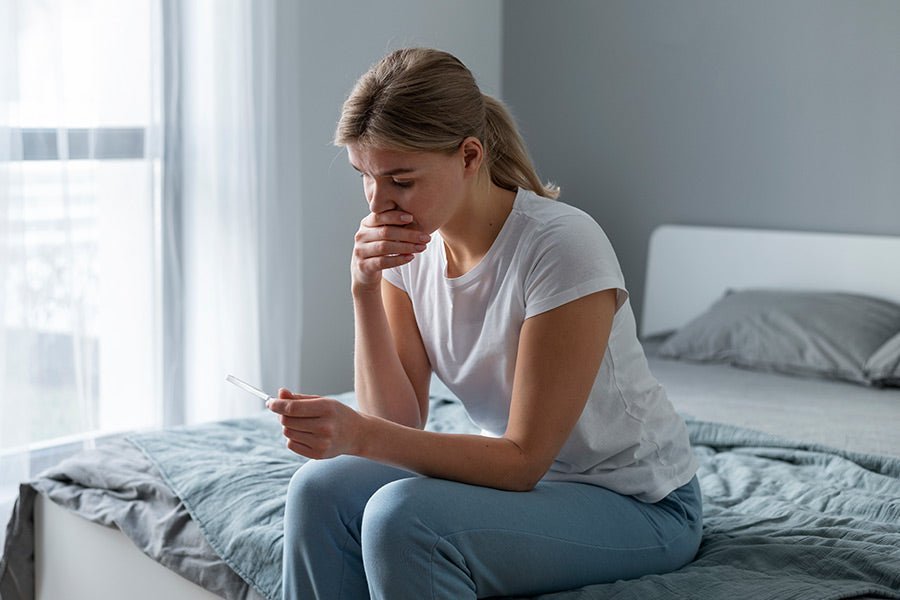

Yes, it is possible to get pregnant even if you’re on birth control. That might sound a little surprising, but no method is completely foolproof. Many women may not even realize they’re pregnant at first, since the early signs of pregnancy on birth control often mimic the side effects of the contraceptives themselves. In this article, we’ll walk through the hidden pregnancy signs and symptoms, why birth control can fail, and what you can do if you suspect you’re pregnant. So, let’s dig into it!

How Birth Control Works (And Why It’s Not 100% Effective)
Let’s be honest, birth control is a reliable method for preventing pregnancy, but it’s not perfect. When taken perfectly (every day, same time, no exceptions), hormonal birth control—like the pill, patch, or ring—can be over 99% effective. But in reality, most people don’t take it perfectly. Life gets in the way. We miss a dose, take it at different times, or even forget about it entirely. This "typical use" lowers the effectiveness to around 91% [1]. So, in a year, about 9 out of 100 people on birth control might get pregnant.
Top Tip: Set a daily reminder on your phone or tie taking your pill to an everyday routine like brushing your teeth. This can help you remember to take it consistently!
Early Signs of Pregnancy on Birth Control
It’s not easy to distinguish the early signs of pregnancy on birth control, since they overlap with birth control’s side effects. Here’s what to look out for:
Missed Period: Birth control can make your periods lighter, or even cause spotting. But if you totally miss a period, it might be worth taking a early response pregnancy test [2].
Nausea: We’ve all heard of morning sickness. It’s a classic early pregnancy sign, but birth control can cause it too [3]. If you’re feeling queasy regularly, try taking your birth control with food. If that doesn’t help, it could be pregnancy-related.
Breast Tenderness: Your breasts may feel sore or swollen. It could be a side effect of the pill, but it’s also common in early pregnancy, thanks to hormonal changes [4].
Fatigue: Feeling tired all the time? Yep, it could be early pregnancy, but birth control can cause that too [5]. However, pregnancy fatigue is often more intense.
Top Tip: If you’re experiencing two or more of these symptoms, it might be a good idea to take an at-home pregnancy test. Better safe than sorry, right?

Symptoms of Pregnancy on Birth Control
Let’s say you did get pregnant while on birth control. How do you know? The symptoms of pregnancy on birth control aren’t always easy to spot. They can be subtle, so pay close attention:
Frequent Urination: If you’re suddenly running to the bathroom a lot more often, it might be an early sign of pregnancy. It’s due to hormonal changes and increased blood flow [6].
Mood Swings: Birth control can mess with your mood, but pregnancy hormones take it to another level [7]. You may feel unusually weepy, irritable, or just plain off.

✨ Think You Might Be Pregnant?
Get fast, accurate results up to 6 days before your missed period with our early detection pregnancy test.
Shop Now — $9.80✓ Free shipping on orders over $40 | ✓ Trusted by millions of couples worldwide
Spotting or Light Bleeding: Implantation bleeding can be mistaken for a light period. This happens when the fertilized egg attaches to the uterine lining [8]. It’s not always obvious, so keep an eye out for it.
Food Cravings or Aversions: Can’t stand your favorite snack anymore? Or maybe you’re craving something you’ve never liked? That’s a classic pregnancy symptom, but birth control can affect your appetite too [9].
Why Does Birth Control Fail?
It’s frustrating, but birth control failure does happen. Here’s why:
Missed Pills: Skipping a dose or two can lower hormone levels and lead to ovulation [10].
Timing Issues: Taking the pill at different times every day can reduce its effectiveness.
Drug Interactions: Some medications, like antibiotics or anti-seizure meds, can interfere with birth control. Even herbal supplements can mess with it.
Digestive Problems: If you’ve got diarrhea or you’re vomiting, your body may not absorb the pill properly.
Top Tip: Use condoms or other backup methods if you miss a dose, start a new medication, or have stomach issues. It’s better to be cautious!
What To Do If You Think You’re Pregnant While on Birth Control
If you think you might be pregnant, here’s what to do next:
Take an At-Home Pregnancy Test: It’s quick, easy, and accurate. You can find them at any drugstore.
Visit Your Doctor: If the test is positive, schedule an appointment. Your doctor can confirm the pregnancy and provide guidance on what to do next.
Start Prenatal Care: If you are pregnant, start taking prenatal vitamins ASAP. Folic acid is super important during the early weeks of pregnancy for fetal development.
Top Tip: Prenatal care is crucial for a healthy pregnancy, so don’t delay if you get a positive test result!

The Bottom Line
So yes, pregnancy can happen, even with birth control. It’s important to know the early signs of pregnancy on birth control and watch for symptoms of pregnancy on birth control. If you suspect you’re pregnant, confirm it with a test and consult your doctor. Remember, the most effective birth control method is one that’s used consistently and correctly. Stay alert to any unusual symptoms, and if in doubt, don’t hesitate to get checked out.
FAQs
Can a pregnancy test work while I’m on birth control?
Yes, it will still detect the pregnancy hormone hCG, which is not affected by birth control.
Is spotting always a sign of pregnancy?
Not always. Spotting can be due to implantation bleeding, but it’s also a common side effect of birth control. Take a test if unsure.
What should I do if I miss my birth control pill?
Take it as soon as you remember and use a backup method, like condoms, for at least 7 days to be safe.
Can birth control harm the baby if I’m pregnant?
If you’re pregnant, stop taking birth control immediately. But don’t worry—most birth control types are not harmful in early pregnancy.
How soon can symptoms appear if I get pregnant while on birth control?
Symptoms can show up within 2-3 weeks after conception, similar to natural conception.
Citations
- Trussell J. (2011). Contraceptive failure in the United States. Contraception Available at: https://pubmed.ncbi.nlm.nih.gov/21477680/
- Wilcox, A. J., Baird, D. D., & Weinberg, C. R. (1999). Time of implantation of the conceptus and loss of pregnancy. The New England journal of medicine. Available at: https://pubmed.ncbi.nlm.nih.gov/10362823/
- Lee, N. M., & Saha, S. (2011). Nausea and vomiting of pregnancy. Gastroenterology clinics of North America. Available at: https://pmc.ncbi.nlm.nih.gov/articles/PMC3676933/
- Yu, J. H., Kim, M. J., Cho, H., Liu, H. J., Han, S. J., & Ahn, T. G. (2013). Breast diseases during pregnancy and lactation. Obstetrics & gynecology science. Available at: https://pmc.ncbi.nlm.nih.gov/articles/PMC3784111/
- Corwin, E. J., & Arbour, M. (2007). Postpartum fatigue and evidence-based interventions. MCN. The American journal of maternal child nursing. Available at: https://pubmed.ncbi.nlm.nih.gov/17667284/
- Thorp, J. M., Jr, Norton, P. A., Wall, L. L., Kuller, J. A., Eucker, B., & Wells, E. (1999). Urinary incontinence in pregnancy and the puerperium: a prospective study. American journal of obstetrics and gynecology. Available at: https://pubmed.ncbi.nlm.nih.gov/10454667/
- Mu, E., & Kulkarni, J. (2022). Hormonal contraception and mood disorders. Australian prescriber. Available at: https://pubmed.ncbi.nlm.nih.gov/35755988/
- Chaouat, G., Dubanchet, S., & Ledée, N. (2007). Cytokines: Important for implantation?. Journal of assisted reproduction and genetics. Available at: https://pmc.ncbi.nlm.nih.gov/articles/PMC3455031/
- Bancroft, J., Cook, A., & Williamson, L. (1988). Food craving, mood and the menstrual cycle. Psychological medicine. Available at: https://pubmed.ncbi.nlm.nih.gov/3270830/
- Rodrigues, I., Grou, F., & Joly, J. (2001). Effectiveness of emergency contraceptive pills between 72 and 120 hours after unprotected sexual intercourse. American journal of obstetrics and gynecology. Available at: https://pubmed.ncbi.nlm.nih.gov/11262449/
🌱 Get Answers Early
Millions of women trust Conceive Plus for their fertility journey. Clinically validated pregnancy tests delivered to your door.
Shop Pregnancy Tests →Frequently Asked Questions
Recommended by Fertility Experts
Conceive Plus Fertility Supplements
Science-backed vitamins and supplements expertly formulated to nourish your body and support reproductive health at every stage.
Shop Now →What is the actual failure rate of birth control in preventing pregnancy?
When used perfectly every single day, hormonal birth control methods like the pill, patch, and ring are over 99% effective. However, in typical use—accounting for missed doses and inconsistent timing—effectiveness drops to around 91%, meaning approximately 9 out of 100 people on birth control may become pregnant within a year. This difference highlights why consistency is crucial for contraceptive effectiveness.
How can I tell the difference between birth control side effects and early pregnancy symptoms?
This can be challenging since symptoms like nausea, breast tenderness, and fatigue overlap significantly between birth control use and early pregnancy. The key distinction is that pregnancy fatigue is typically more intense, and if you experience two or more symptoms simultaneously—especially a missed period—taking an early response pregnancy test is recommended. Consulting with your healthcare provider can help clarify whether symptoms are contraceptive-related or pregnancy-related.
Can birth control suppress pregnancy symptoms and make detection harder?
Yes, hormonal birth control can mask or suppress some pregnancy symptoms, making it harder to recognize that you're pregnant. Since birth control and early pregnancy produce similar hormonal effects, symptoms like nausea, breast tenderness, and mood changes may be attributed to your contraceptive method rather than pregnancy. This is why a missed period should be taken seriously and warrant a pregnancy test, even if other symptoms seem manageable.
When should I take a pregnancy test if I'm on birth control?
If you miss a period entirely or experience two or more early pregnancy symptoms together, you should take an early response pregnancy test as soon as possible. For the most accurate results, use the test on your first morning urine and ensure you're testing at least 12-14 days after potential conception. If the first test is negative but you continue experiencing symptoms, repeat the test after a few days or contact your healthcare provider.
Is it safe to continue taking birth control if I'm pregnant?
If you discover you're pregnant while on hormonal birth control, you should stop taking it immediately and contact your healthcare provider right away. Continuing hormonal contraceptives during pregnancy is not recommended, though accidental exposure early in pregnancy is generally not considered harmful. Your doctor can assess your specific situation and provide guidance on prenatal care and next steps.
What should I do to improve birth control effectiveness and prevent unintended pregnancy?
Set a daily phone reminder or tie taking your birth control to an existing daily routine like brushing your teeth to ensure consistent use. If you experience side effects that make adherence difficult—such as nausea—take your pill with food or discuss alternative contraceptive methods with your provider. Additionally, use backup contraception like condoms during the first week of starting a new method or after missing doses.
Does insurance in the US cover pregnancy testing and prenatal care if I become pregnant on birth control?
Most health insurance plans in the US, including those required under the Affordable Care Act, cover pregnancy testing and prenatal care at no out-of-pocket cost. However, coverage varies by specific plan, so it's important to check your policy details. If you're uninsured or underinsured, many Planned Parenthood locations and community health centers offer affordable pregnancy testing and prenatal services.
Trusted by Couples in Over 70 Countries
Nourish Your Fertility With Science-Backed Supplements
The right nutrients at the right time can make a meaningful difference. Conceive Plus fertility supplements are expertly formulated with vitamins, minerals, and botanicals to support reproductive health for both men and women.
Shop Fertility Supplements →