Understanding Endometriosis Ovulation Pain: Causes and Relief
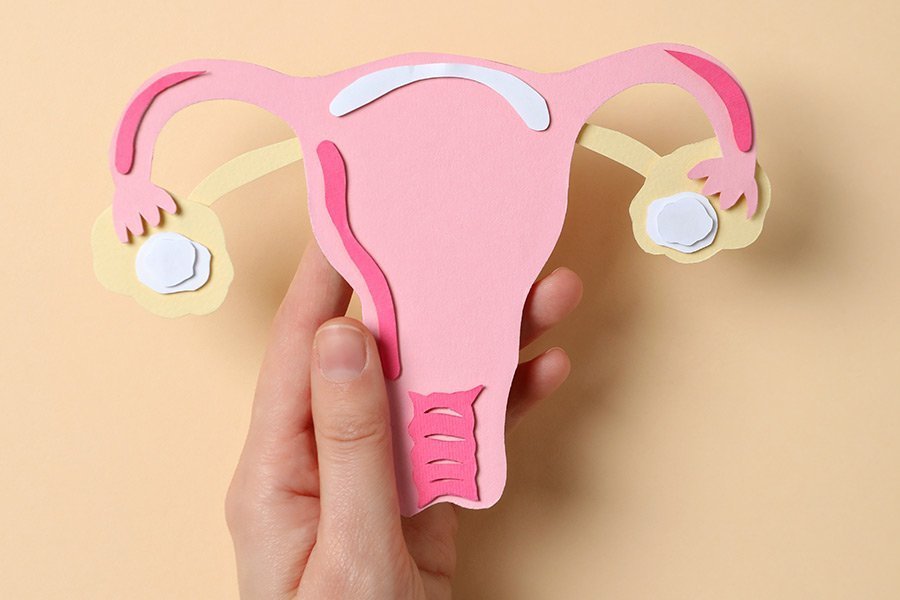

Endometriosis is a chronic condition in which tissue similar to the lining of the uterus (the endometrium) grows outside the uterus. This tissue may attach itself to organs such as the ovaries, fallopian tubes, outside of the uterus, and, in some cases, the bowel and bladder. When endometrial tissue grows in these locations, it behaves like it would inside the uterus: it thickens, breaks down, and bleeds during the menstrual cycle. However, because this tissue has no way to exit the body, it becomes trapped, leading to inflammation, the formation of scar tissue (adhesions), and severe pain.
One of the most challenging aspects of this condition is endometriosis ovulation pain, which is pain that occurs during the ovulation phase of the menstrual cycle. Ovulation is the process by which an egg is released from the ovary, typically around day 14 of a 28-day cycle. While mild discomfort during ovulation (sometimes referred to as "mittelschmerz") is common, women with endometriosis often experience intense, prolonged pain that can last for days [1].

Why Endometriosis Causes Pain During Ovulation
Ovulation typically involves the release of an egg from the ovary. For those with endometriosis, the tissue outside the uterus reacts to the same hormonal changes as the uterine lining. This reaction can cause inflammation, swelling, and even bleeding in the affected areas. This condition affects 10% to 15% of women in their reproductive age. In some cases, scar tissue (adhesions) forms around the ovaries and fallopian tubes, which can worsen pain during ovulation as the scarred tissues are stretched and pulled [2].
Endometriosis and ovulation pain often manifest as sharp, stabbing sensations in the lower abdomen or pelvis. Some may also experience pain in the back or thighs due to the spread of endometrial lesions to surrounding tissues. The pain may last longer than typical ovulation discomfort, sometimes exceeding 48 hours.
Other Symptoms Accompanying Ovulation Pain
In addition to pelvic pain, endometriosis pain during ovulation can be accompanied by other symptoms like painful intercourse, heavy spotting, nausea, and digestive issues such as painful bowel movements or urination. These symptoms often peak around ovulation and may persist into the menstrual phase.

✨ Think You Might Be Pregnant?
Get fast, accurate results up to 6 days before your missed period with our early detection pregnancy test.
Shop Now — $9.80✓ Free shipping on orders over $40 | ✓ Trusted by millions of couples worldwide

Managing Ovulation Pain with Endometriosis
While endometriosis and ovulation pain can be difficult to manage, there are several strategies that may provide relief:
- Over-the-counter pain relief: Nonsteroidal anti-inflammatory drugs (NSAIDs) like ibuprofen can help reduce inflammation and alleviate pain.
- Heat therapy: Applying heat through a heating pad or warm bath can help relax muscles and reduce discomfort [3].
- Hormonal treatments: Birth control pills, hormonal patches, or injections can help regulate the menstrual cycle and minimize the hormonal fluctuations that trigger pain [4].
- Lifestyle adjustments: Incorporating an anti-inflammatory diet, staying hydrated, and engaging in light exercises like yoga or walking can help manage the symptoms.
For individuals with more severe symptoms, medical interventions such as laparoscopic surgery to remove endometrial tissue may be necessary. This option can help alleviate pain and prevent further complications, though it is generally reserved for more advanced cases.

The Bottom Line
If your endometriosis pain during ovulation becomes unbearable or lasts longer than usual, it's essential to consult a healthcare provider. Persistent pain that interferes with daily activities, coupled with symptoms like heavy bleeding or gastrointestinal issues, should not be ignored. Early diagnosis and management are crucial for improving the quality of life and preventing further complications related to endometriosis.
In conclusion, while endometriosis ovulation pain can be challenging, there are ways to manage and reduce the discomfort. By understanding the causes and exploring various treatments, individuals can take proactive steps to manage their condition effectively.
Could you be pregnant? We talk about early pregnancy symptoms in another article.
Sources
- Wilcox AJ, Dunson D, Baird DD. The timing of the "fertile window" in the menstrual cycle: day specific estimates from a prospective study. BMJ. 2000 Nov 18;321(7271):1259-62. doi:10.1136/bmj.321.7271.1259. PMID: 11082086; PMCID: PMC27529.
- Rahmioglu, N., Mortlock, S., Ghiasi, M. et al. The genetic basis of endometriosis and comorbidity with other pain and inflammatory conditions. Nat Genet 55, 423–436 (2023). https://doi.org/10.1038/s41588-023-01323-z
- Qiong Chen, Jing Wang, Xiaoya Ding, Qingfei Zhang, Ping Duan. Emerging strategies for the treatment of endometriosis. Biomedical Technology, Volume 7. 2024, Pages 46-62. ISSN 2949-723X. https://doi.org/10.1016/j.bmt.2024.08.002
- Vannuccini, S., Clemenza, S., Rossi, M. et al. Hormonal treatments for endometriosis: The endocrine background. Rev Endocr Metab Disord 23, 333–355 (2022). https://doi.org/10.1007/s11154-021-09666-w
🌱 Get Answers Early
Millions of women trust Conceive Plus for their fertility journey. Clinically validated pregnancy tests delivered to your door.
Shop Pregnancy Tests →Frequently Asked Questions
Recommended by Fertility Experts
Conceive Plus Fertility Lubricant
Specially formulated to be sperm-friendly and isotonic, supporting your natural conception journey without disrupting the reproductive environment.
Shop Now →How is endometriosis ovulation pain different from normal ovulation pain?
Normal ovulation pain, or mittelschmerz, is typically mild and lasts a few hours, while endometriosis ovulation pain is often severe, sharp, and can persist for 48 hours or longer. Women with endometriosis experience intensified pain because the displaced endometrial tissue swells and bleeds in response to hormonal changes during ovulation, and scar tissue (adhesions) around the ovaries can stretch painfully during the egg's release. The pain is often described as stabbing sensations in the lower abdomen, pelvis, back, or thighs, significantly impacting daily activities.
Can endometriosis affect my ability to get pregnant?
Endometriosis can impact fertility, affecting 10-15% of women in their reproductive years, though many with the condition do conceive naturally. The condition can impair fertility through inflammation, scarring that blocks fallopian tubes, and hormonal imbalances that affect egg quality and implantation. If you're struggling to conceive, the American Society for Reproductive Medicine (ASRM) recommends consulting a fertility specialist who can assess your specific situation and discuss treatment options, including assisted reproductive technologies if needed.
What treatment options are available for endometriosis ovulation pain?
Treatment options range from over-the-counter pain relievers like NSAIDs (ibuprofen or naproxen) to prescription medications including hormonal contraceptives and GnRH agonists that suppress ovulation. Surgical interventions, such as laparoscopy to remove endometrial lesions and adhesions, may provide relief for some patients. Many US fertility clinics and gynecologists recommend starting with conservative management and progressing to more invasive options based on symptom severity and fertility goals.
Is endometriosis ovulation pain covered by insurance in the US?
Most US health insurance plans cover diagnostic procedures (like laparoscopy) and FDA-approved treatments for endometriosis, including hormonal medications and pain management. However, coverage varies significantly by plan and insurance provider, so it's important to contact your insurer directly to understand your specific benefits, co-pays, and any prior authorization requirements. Many fertility clinics have billing specialists who can help verify coverage for endometriosis-related treatments.
How is endometriosis diagnosed if I suspect ovulation pain?
The gold standard for endometriosis diagnosis is laparoscopic surgery, a minimally invasive procedure where a surgeon examines the pelvic organs and can biopsy suspected tissue. Before pursuing surgery, your healthcare provider may use pelvic ultrasounds and imaging to assess for ovarian cysts or other signs of endometriosis. If you're experiencing severe ovulation pain, scheduling an appointment with a gynecologist or reproductive endocrinologist can help determine if endometriosis is the cause and develop an appropriate treatment plan.
Can hormonal birth control help with endometriosis ovulation pain?
Yes, hormonal birth control can significantly reduce endometriosis ovulation pain by suppressing ovulation and reducing the hormonal fluctuations that trigger tissue inflammation. Options include combination pills, progestin-only pills, patches, rings, and IUDs—many women find relief by using continuous or extended-cycle formulations that limit menstrual cycles. Your gynecologist can help determine which hormonal method is best suited to your fertility goals and overall health profile.
What should I track if I suspect endometriosis ovulation pain?
Keep a detailed symptom diary noting the timing, intensity (on a scale of 1-10), location, and duration of pain around ovulation, along with any accompanying symptoms like spotting, nausea, or digestive issues. Recording when you ovulate (typically 14 days before your next period) helps identify patterns and provides valuable information for your healthcare provider during diagnosis. This documentation can also help monitor treatment effectiveness and guide fertility planning decisions.
Trusted by Couples in Over 70 Countries
Start Your Fertility Journey With the Right Support
Conceive Plus Fertility Lubricant is specially formulated to be compatible with sperm, eggs, and embryos. Whether you are just starting out or have been trying for a while, our products are designed to work with your body — not against it.
Explore Fertility Lubricant →