Fertility Support Guide 2026: How to Optimize Your Body for Conception


What if the secret to a successful pregnancy in 2026 isn't just about tracking a cycle, but a delicate biological handshake between both partners? It's easy to feel overwhelmed by the ticking clock or the endless sea of supplements that promise the world. You might feel like the entire weight of conception rests on one person's shoulders, but true fertility support is a shared ecosystem where timing, nutrition, and environmental factors must align for both of you.
We're here to cut through the noise and give you back a sense of control over your journey. This guide provides a clear, step-by-step framework to maximize your chances of a healthy pregnancy. You'll learn how to master ovulation tracking with the latest at-home technology, improve sperm and egg quality through science-backed methods, and understand how new 2026 insurance mandates like California's SB 729 could impact your options. Let's transform that anxiety into an actionable plan that prepares your body for the road ahead.
Key Takeaways
- Learn why 2026 marks a shift toward proactive preconception wellness rather than waiting for fertility issues to arise.
- Discover how to master your cycle and balance hormones using specific nutrients like Myo-Inositol to optimize egg health.
- Understand the three pillars of sperm health and why comprehensive fertility support must include both partners to be effective.
- Identify how vaginal pH and common lubricants can impact sperm survival and how to create a conception-friendly environment.
- Gain a daily checklist to seamlessly integrate supplements, tracking, and lifestyle adjustments into your busy routine.
What is Fertility Support and Why Does it Matter in 2026?
Fertility support is no longer a reactive response to a struggle. In 2026, it's a proactive strategy to optimize your reproductive health before you even begin trying to conceive. While older medical models suggested waiting a full year before seeking help, the current trend favors 'preconception wellness.' This means you're preparing the soil before you plant the seed. To understand the foundations of this process, it helps to look at What is Fertility and how various biological factors influence your chances. Effective fertility support focuses on the 'Fertility Window,' that brief monthly period where conception is possible, ensuring your body is at its peak performance when it matters most.
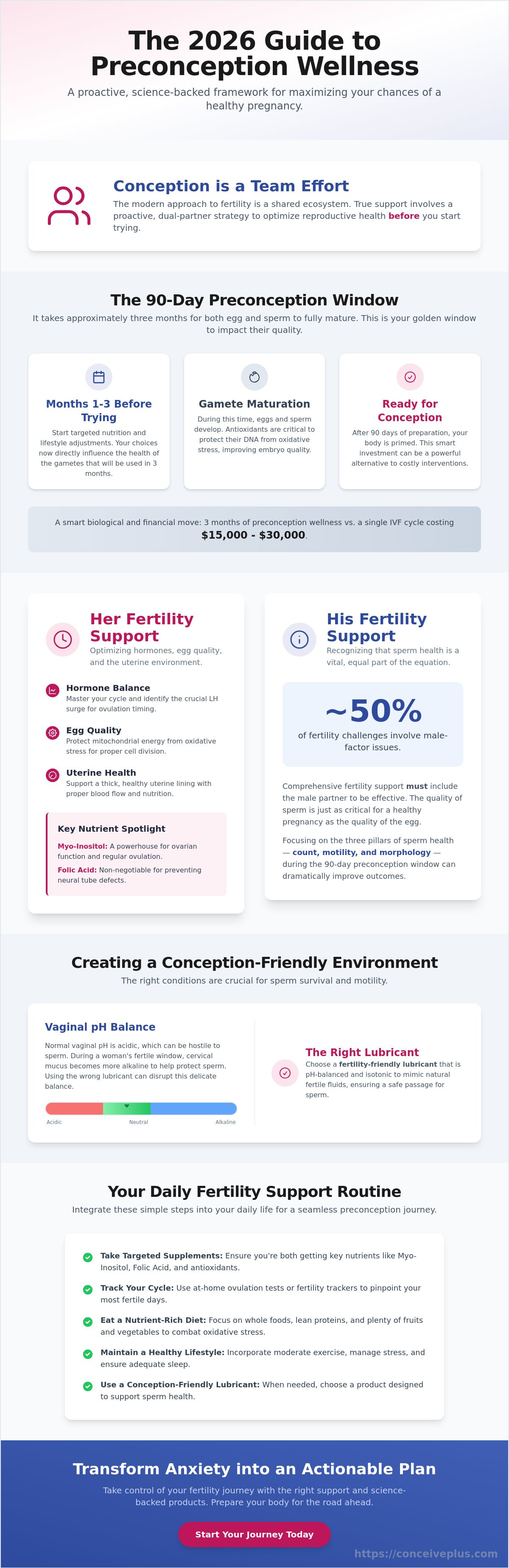
Conception is a team effort. While the burden often falls on women, sperm quality is just as vital for a healthy pregnancy. In 2026, we see a shift where both partners take active steps to improve their biological contributions. This dual-partner approach is essential because nearly half of all fertility challenges involve male-factor issues. By working together, couples can significantly improve their odds of a successful, healthy pregnancy without the immediate need for expensive interventions.
To better understand the role of nutrients and preparation in this process, watch this helpful video from Dr. Anu Kathiresan:
The Science of Preconception Care
The 90-day maturation cycle is the cornerstone of preconception science. It takes about three months for an egg to mature before ovulation and roughly the same time for sperm to develop. This is why starting your fertility support 3 to 6 months before you plan to conceive is the gold standard. During this window, lifestyle choices and nutrition directly impact the quality of the gametes. You can use antioxidants to protect DNA from oxidative stress, which improves embryo quality and reduces the risk of early pregnancy loss. With the average cost of a single IVF cycle reaching between $15,000 and $30,000 in 2026, investing in these three months of preparation is a smart financial and biological move.
Identifying Your Personal Fertility Goals
Every journey is unique. Some couples need general wellness adjustments, while others require targeted support for specific issues like PCOS or low sperm motility. Knowing when to transition from lifestyle changes to clinical assistance is key. In 2026, the rise of at-home testing and digital tools has made this easier than ever. You can use a fertility tracker to establish a baseline for your cycle. This data helps you identify patterns and empowers you to have more informed conversations with your doctor. If you live in a state like California, new laws like SB 729 may even provide insurance coverage for more advanced treatments if your initial proactive efforts need extra help.
How to Support Female Fertility: Hormones, Eggs, and Ovulation
Support for female fertility isn't just about waiting for a positive test. It's about optimizing the biological environment long before that happens. Your cycle is a complex communication between your brain and ovaries. Mastering this means understanding your LH surge, which acts as the green light for ovulation. Effective fertility support involves balancing the hormones that drive this process. If these signals are crossed, even perfect timing won't result in conception.
Beyond timing, egg quality is the primary driver of success. Unlike other cells, eggs require immense energy to divide correctly. This energy comes from your mitochondria. Protecting these delicate structures from oxidative stress is vital. While lifestyle changes do a lot, some may require medical treatments for female infertility if structural or severe hormonal issues exist. Finally, a healthy uterine lining is the landing pad for your future embryo. It needs proper blood flow and thickness, which are often influenced by your nutritional status and overall inflammatory levels.
The Role of Myo-Inositol and Folic Acid
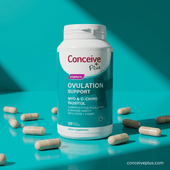
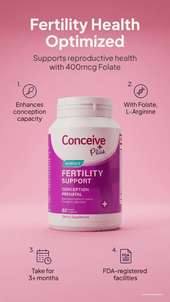
Myo-Inositol is a powerhouse for ovarian function. It helps your body use insulin more effectively, which is crucial for regular ovulation. When insulin is balanced, your ovaries can produce higher-quality eggs. Pairing this with Folic Acid is non-negotiable. Folic Acid, or its active form Folate, is essential for DNA synthesis and preventing neural tube defects in the earliest days of pregnancy. You can find these targeted nutrients in specialized fertility bundles designed for cycle regularity and hormonal harmony.
Tracking Ovulation for Precision Timing
Precision is everything when you only have a 12 to 24-hour window once a month. Calendar methods are often inaccurate because they rely on averages, not your actual biology. High-sensitivity LH testing is the gold standard for fertility support in 2026. These tests detect the Luteinizing Hormone surge that occurs 24 to 48 hours before the egg is released. You can use an ovulation calculator to narrow down when to start testing. Don't forget to watch for physical signs like cervical mucus changes, which signal that your body is ready for sperm to survive the journey. If you want to see how others have successfully used these tools, check out real success stories from couples on their TTC journey.
How to Improve Male Fertility: Supporting Sperm Health and Motility
It's a common mistake to think that preparing for a baby is a "woman's job." In reality, male factor issues contribute to nearly half of all cases where couples struggle to conceive. For men, comprehensive fertility support focuses on three critical pillars: count, motility, and morphology. Count refers to the total number of sperm per milliliter. Motility measures how effectively they swim toward the egg. Morphology evaluates the size and shape of the sperm. If any of these pillars are weak, the journey to the egg becomes significantly harder. Since sperm is the vehicle for half of your future child's DNA, its health is just as vital as egg quality.
The environment where sperm grows is incredibly sensitive. Unlike eggs, which are present from birth, sperm is constantly being produced in a cycle that takes about 90 days. This is good news. It means the choices a man makes today will directly impact the health of his sperm three months from now. Factors like chronic stress, exposure to environmental toxins, and even excessive heat can damage the delicate DNA carried within each cell. By addressing these factors early, men can take an active role in the conception process rather than remaining on the sidelines.
Essential Nutrients for Male Fertility
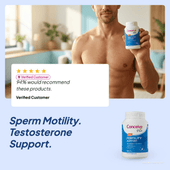
Specific minerals act as the building blocks for healthy testosterone levels and robust sperm production. Zinc is perhaps the most vital, as it's found in high concentrations in the sperm itself and is necessary for both count and motility. Selenium is another powerhouse that protects sperm from oxidative damage. For an extra boost, L-Carnitine provides the cellular energy sperm need to make the long swim through the female reproductive tract. You can find these targeted ingredients in specialized fertility products designed for men. Understanding the role of these nutrients is part of a complete science-backed guide to vitamins for 2026.
Lifestyle Habits to Protect Sperm DNA
The "boxers over briefs" advice isn't just a myth. The testes are located outside the body for a reason: they need to stay a few degrees cooler than your core temperature. High temperatures from tight underwear, hot tubs, or even resting a laptop on your lap can stall sperm production. Beyond heat, oxidative stress is a major enemy. This occurs when unstable molecules attack sperm cells, leading to DNA fragmentation. Incorporating antioxidants into your diet acts as a shield, preserving the genetic integrity of the sperm. Making these simple daily changes can result in measurable improvements in sperm parameters within a single 90-day cycle, providing essential fertility support from the male side of the equation.
Creating a Conception-Friendly Environment: pH and Lubrication
Timing your cycle and taking the right supplements are vital steps, but they don't matter if the physical environment isn't welcoming to sperm. Many couples overlook the vaginal canal, which is the first and most difficult hurdle for sperm to clear. The vagina is naturally acidic, usually maintaining a pH between 3.8 and 4.5 to protect against infections. However, sperm are incredibly sensitive to acid and require a much more alkaline environment, ideally between 7.0 and 8.5, to survive the journey. Providing the right fertility support within the reproductive tract ensures that sperm don't just enter the body, but actually have a fighting chance to reach the egg.
Standard lubricants are a hidden enemy for many trying to conceive. Most off-the-shelf options are designed for comfort, not conception. They often have a low pH or high osmolality, which means they contain high concentrations of salts and sugars. When sperm cells hit these hypertonic fluids, they lose water through osmosis, causing them to shrivel and lose motility. In some cases, common lubricants can be as damaging to sperm as a mild spermicide. Effective fertility support means looking beyond just the calendar and considering the physical path the sperm must take.
Why pH Balance is a Make-or-Break Factor
The "hostile environment" theory suggests that if the vaginal pH doesn't shift toward alkalinity during your fertile window, sperm will stop in their tracks. During ovulation, your body naturally produces fertile cervical mucus to neutralize acidity. If your body isn't producing enough of this "liquid gold," using fertility-friendly lubricants is essential. These products are specifically formulated to mimic natural fertile fluids, maintaining a safe pH range while allowing sperm to swim freely. This simple adjustment can transform a hostile environment into a safe passage for conception.
The Conceive Plus Difference
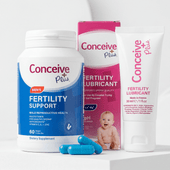
Conceive Plus is unique because of its patented formula that includes Calcium and Magnesium ions. These aren't just added for nutritional value; they're critical for the biological process of fertilization. Sperm need these specific ions to maintain their energy and undergo capacitation, the final stage of maturation that allows them to penetrate the egg's outer shell. By using pre-filled applicators, you ensure the lubricant reaches deep toward the cervix, providing a continuous path of support where it's needed most. You can read Conceive Plus Reviews to see how addressing the vaginal environment has helped other couples find success. If you want to optimize your chances this month, consider adding these specialized tools to your conception routine to ensure no obstacle stands in your way.
Building Your Daily Fertility Support Routine for 2026
Turning scientific knowledge into a daily habit is the most effective way to see results on your TTC journey. Because egg and sperm maturation cycles take approximately 90 days, your fertility support efforts today are actually preparing your body for a pregnancy three months from now. Consistency is your greatest ally. Missing a few days of supplements or skipping your tracking window can disrupt the delicate hormonal balance you're working so hard to build. By creating a shared routine with your partner, you ensure that neither of you feels the burden alone while maximizing your collective chances of success.
Managing the emotional side of conception is just as vital as the physical preparation. Stress can impact the hypothalamus, the part of the brain that regulates the hormones required for ovulation and sperm production. While it's natural to feel anxious, especially when navigating the costs of modern care or the pressure of timing, remember that you're taking proactive steps that most couples overlook. Staying positive and committed to your daily plan gives you a sense of control that can significantly lower your stress levels.
Your 2026 TTC Checklist
- Morning: Take your targeted fertility vitamins together. For her, this includes Myo-Inositol and Folic Acid to support egg quality. For him, Zinc and Selenium provide the foundation for sperm health.
- Mid-cycle: Begin daily ovulation tracking using high-sensitivity LH tests once your ovulation calculator indicates your window is opening. Testing at the same time each day ensures you don't miss the surge.
- Intimacy: During your fertile window, switch to fertility-friendly products that protect sperm motility. Using a pH-balanced lubricant with Calcium and Magnesium ions ensures the vaginal environment remains supportive of the journey to the egg.
Choosing the Right Support Bundles
For many couples, the easiest way to stay consistent is to use comprehensive kits. Specialized TTC Fertility Product Bundles are designed to provide 360-degree fertility support, often combining supplements for both partners with ovulation tests and sperm-friendly lubricants. These bundles offer better value than buying items individually and ensure you have everything you need for a full 90-day cycle. You can tailor your choice based on specific needs, such as PCOS support or kits focused on improving male motility. If you're ready to take the next step, browse the full Conceive Plus collection to start your journey with the right tools today.
Empowering Your Journey to Conception
Preparing for a healthy pregnancy is one of the most significant steps you'll ever take. By focusing on the 90-day maturation window for both partners and ensuring a supportive environment through proper pH balance, you've moved from reactive waiting to proactive wellness. This shift in perspective is what defines modern fertility support in 2026. You now have the knowledge to track with precision and the tools to optimize your body's natural potential.
As you move forward, rely on solutions that are doctor-recommended for over 15 years. Our patented formula includes essential Calcium and Magnesium ions to assist the fertilization process, a technology trusted by millions of couples worldwide. You've done the research and made the plan; now it's time to take action. Start Your Journey with Proven Fertility Support Solutions and give your future child the best possible start. Your dedication today is the first chapter of your success story. We're rooting for you every step of the way.
Frequently Asked Questions
What exactly does fertility support mean for a beginner?
Fertility support for a beginner involves taking proactive steps to optimize your body's reproductive environment before you start trying to conceive. It's a combination of tracking your cycle, improving nutritional intake, and ensuring your lifestyle supports egg and sperm health. Instead of waiting for a year of unsuccessful attempts, you start by creating a healthy biological foundation. This approach helps you feel more in control of the journey from day one.
Can I take fertility support supplements while also taking a regular prenatal?
You can often combine these, but you must check the labels for overlapping ingredients like Folic Acid or Zinc. Many targeted fertility products already contain the essential vitamins found in a standard prenatal. Taking both might lead to exceeding the recommended daily intake of certain minerals. It's best to compare the nutritional panels or consult your healthcare provider to ensure you're getting the right balance without over-supplementing.
How long does it take for fertility support products to show results?
It typically takes about 90 days to see the full impact of these changes on your reproductive health. This timeframe matches the biological maturation cycle of both eggs and sperm. While some benefits like improved cervical mucus or better energy levels might appear sooner, the most significant improvements in gamete quality happen over a full three-month period. Consistency during this entire window is the key to seeing measurable results.
Is it necessary for my partner to take fertility support too?
Yes, it's highly recommended because male factor issues contribute to nearly half of all conception challenges. When your partner uses fertility support, he helps improve sperm count, motility, and DNA integrity. This shared approach doubles your efforts and ensures that both the egg and the sperm are as healthy as possible. Conception is a team sport; preparing together often leads to better outcomes and less individual stress.
Are there any side effects to using fertility-friendly lubricants?
Most users experience no side effects because these lubricants are designed to mimic your body's natural fertile fluids. Unlike standard options, they maintain a safe pH and osmolality that won't irritate sensitive tissues or harm sperm cells. Some people might notice a slight change in sensation due to the water-based formula. The inclusion of Calcium and Magnesium ions is specifically intended to support cellular health rather than cause irritation.
Can fertility support help if I have irregular cycles or PCOS?
Targeted fertility support can be incredibly beneficial for managing irregular cycles or PCOS symptoms. Nutrients like Myo-Inositol are scientifically recognized for their ability to improve insulin sensitivity and promote regular ovulation. By balancing the hormones that cause cycle disruptions, you can create a more predictable window for conception. While it's not a cure, it provides your body with the specific building blocks it needs to regulate its natural reproductive rhythms.
How do I know if the fertility support routine is working?
You'll know your routine is working when you observe clearer physical signs of fertility and more consistent data. This might include seeing a distinct LH surge on your ovulation tests or noticing an increase in egg-white cervical mucus. More regular cycle lengths and improved energy levels are also positive indicators. While a positive pregnancy test is the ultimate goal, these smaller biological shifts prove that your body is responding to the support.
What is the best age to start using proactive fertility support?
There's no single "perfect" age, but starting as soon as you decide to conceive is the best approach. Many individuals begin proactive care in their late 20s or early 30s to maximize their egg reserve and quality. However, even younger couples benefit from optimized nutrition and lifestyle habits. Since fertility naturally declines with age, starting early gives you more time to understand your cycle and address any minor issues before they become hurdles.