Folate deficiency linked to increased risk of birth defects


To investigate this further, the research team conducted a mouse study in which they compared offspring of fathers who had sufficient folate levels to the offspring of fathers who had low folate levels.
Their findings, published in the journal Nature Communications, revealed that offspring of mice fathers who had insufficient folate levels had a 30% increase in birth defects, such as cranio-facial and spinal deformities, compared with offspring of fathers who had adequate levels of the vitamin.

✨ Support Healthy Sperm
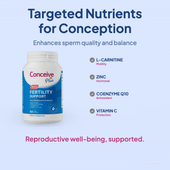
Our Motility Support supplement contains Zinc, CoQ10, and L-Carnitine — clinically studied nutrients for sperm health and motility.
Shop Now — $34.95✓ Free shipping on orders over $40 | ✓ Trusted by millions of couples worldwide
Explaining the reasons behind their findings, the researchers note that there are areas of the sperm epigenome that are sensitive to lifestyle choices, particularly diet. The epigenome can influence the way in which genes are activated and how certain information is passed on to offspring.
They say that the sperm can carry a "memory" of a father's lifestyle choices and diet, and the information from a father's diet is transferred to an "epigenomic map," which can influence a child's development.
🌱 Boost Male Fertility Naturally
Conceive Plus Men's Motility Support is formulated with the nutrients that matter most for sperm quality, count, and motility.
Shop Men's Fertility →Frequently Asked Questions
Recommended by Fertility Experts
Conceive Plus Men's Fertility Support
Designed to support healthy sperm production, motility, and overall male reproductive health with clinically studied nutrients.
Shop Now →How much folate should men consume daily when trying to conceive?
The recommended dietary allowance (RDA) for folate in adult men is 400 micrograms (mcg) daily, according to the National Institutes of Health. When trying to conceive, some fertility specialists recommend higher doses of 800-1,000 mcg daily, though it's best to consult with your doctor or a registered dietitian to determine the appropriate dosage for your individual needs.
What are the best food sources of folate for male fertility?
Excellent sources of folate include leafy greens (spinach, kale, lettuce), legumes (lentils, chickpeas, black beans), asparagus, broccoli, avocado, and fortified grains. A balanced diet rich in these foods can help men achieve adequate folate levels naturally, though prenatal or fertility supplements may be recommended by your healthcare provider.
Does paternal diet really affect a baby's birth defect risk?
Yes, emerging research published in peer-reviewed journals like Nature Communications demonstrates that a father's nutritional status, including folate levels, can influence fetal development through epigenetic changes in sperm. These epigenetic modifications can affect how genes are expressed in offspring, making preconception paternal nutrition an important factor in reproductive health.
Can folate deficiency in men cause infertility or low sperm count?
While folate deficiency is primarily known for increasing birth defect risk, research suggests it may also affect sperm quality and production. Men concerned about fertility should maintain adequate folate intake as part of overall reproductive health; however, a comprehensive fertility evaluation by a reproductive endocrinologist can identify specific causes of low sperm count or motility.
How long should men take folate before trying to conceive?
Experts general
Are prescription prenatal vitamins for men covered by insurance?
Coverage for male prenatal vitamins varies significantly by insurance plan and whether a prescription is written by your healthcare provider. Many insurance plans cover prescription prenatal vitamins when medically necessary for reproductive planning; contacting your specific insurance provider or speaking with a fertility clinic can clarify your coverage options.
What other nutrients should men focus on for preconception health?
In addition to folate, research supports the importance of zinc, selenium, CoQ10, and L-carnitine for sperm health and motility. A comprehensive preconception plan should include a balanced diet, regular exercise, stress management, and avoiding smoking and excessive alcohol—ideally guided by consultation with a fertility specialist or nutritionist.
Trusted by Couples in Over 70 Countries
Support Male Fertility From the Inside Out
Male fertility is just as important as female fertility in the conception journey. Conceive Plus Men's range delivers targeted nutritional support to promote healthy sperm and overall reproductive wellbeing.
Shop Men's Range →