Expert Tips for Getting Pregnant at 30 and How Age Affects Fertility and Conception
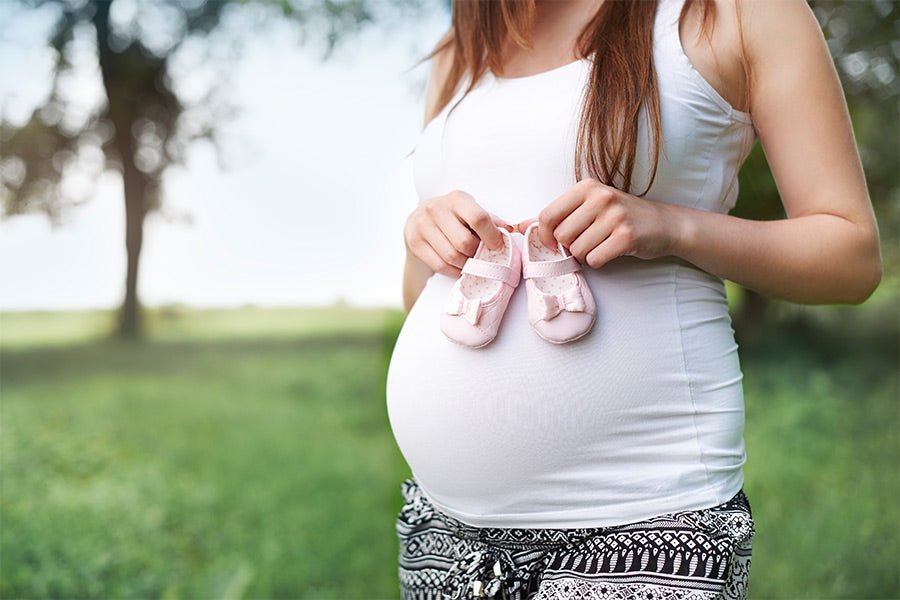

Thinking about getting pregnant at 30? A lot of people are! It’s a big step, and there’s plenty to think about when it comes to conception and fertility at this age. Fertility naturally starts changing after 30, but don't worry—there’s still a lot you can do to boost your chances. From understanding pregnancy risk by age to making simple lifestyle changes, let’s dive into what you need to know about conceiving in your 30s [1].

Is it Harder to Get Pregnant After 30?
One of the biggest questions: is it harder to get pregnant after 30? Technically, yes. Fertility does start to decline after 30—that’s just biology. The number and quality of eggs start going down, and this can make it harder to conceive compared to, say, your 20s. Including ingredients for male fertility in the diet can help support conception efforts, as male fertility is also crucial in the process.[2]. But the good news? A lot of women still get pregnant naturally in their early 30s. It just might take a bit longer.
For women in their mid-30s, things can get a little more challenging. But with some planning and small changes, your chances are still pretty good.
Top tip: Track your cycle! Knowing your most fertile days can make a difference. There are apps and ovulation kits to help you figure out the best time for conception.
How to Boost Fertility in Your 30s
If you're curious about how to boost fertility in your 30s, simple lifestyle tweaks can help. Start by adding some important nutrients to your diet. Here are a few big ones:
Folic Acid: Helps with fetal development and reduces the risk of birth defects. Try leafy greens or supplements. Additionally, considering the best zinc supplement for men can support overall male fertility, contributing to successful conception
CoQ10: This antioxidant supports egg health, especially with age.
Myo-Inositol: Helps regulate cycles and hormone balance, great if you have PCOS.
These nutrients can really help offset natural fertility decline. Supplements that include these ingredients might make sense if you’re thinking of getting pregnant after 30 [3].
Top tip: Add fertility-friendly foods, like nuts, seeds, and dark green veggies to your meals.

Understanding Pregnancy Risk by Age
Let’s talk about pregnancy risk by age. It’s true, age can increase certain risks, especially after 35. Miscarriage rates, for instance, do go up, along with a few other complications like gestational diabetes and high blood pressure. By 35, risks like chromosomal issues, including Down syndrome, are a bit higher too [4].
But before you worry too much, remember that many women in their 30s go on to have healthy pregnancies and babies. Staying on top of your health, eating well, and getting good prenatal care can help you keep risks low.
Top tip: Start prenatal vitamins with folic acid early to support a healthy pregnancy from the start.
Key Tips for Getting Pregnant at 32 and Beyond

✨ Support Healthy Sperm
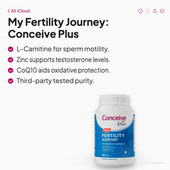
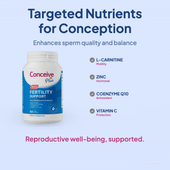
Our Motility Support supplement contains Zinc, CoQ10, and L-Carnitine — clinically studied nutrients for sperm health and motility.
Shop Now — $34.95✓ Free shipping on orders over $40 | ✓ Trusted by millions of couples worldwide
Looking for tips for getting pregnant at 32 or even later? Knowing your cycle is a great first step. Try tracking your ovulation so you know when you’re most fertile. Eating a balanced diet can also support fertility, so aim for a variety of nutrient-rich foods, like fruits, vegetables, and lean proteins [5].
Exercise helps, too—but don’t overdo it! High-intensity workouts can mess with your cycle, so try moderate exercises like yoga or brisk walking.
Also, keep caffeine and alcohol in check. They don’t necessarily have to be off-limits but keeping them low is a good idea.
Top tip: De-stress! Try meditation, deep breathing, or anything that helps keep stress levels down, which can support overall hormone balance.
Understanding Fertility in Your 30s
Curious about fertility in your 30s? So many women are! Basically, egg quality and quantity start to decline, but it’s not an overnight thing. Early 30s are still a good time to try conceiving, and there’s no big drop until about 35. It’s a gradual process, and a lot depends on individual health, lifestyle, and family history [6].
Keeping your body balanced and healthy is key. Hormones can fluctuate a bit more in your 30s, which is normal. Eating well, staying active, and getting enough sleep can help keep things on track.
Top tip: Talk to your doctor about any questions or concerns you have about fertility, especially if you’re just starting to think about getting pregnant at 30.
Is it Difficult to Get Pregnant at 30?
So, is it difficult to get pregnant at 30? Not exactly. While fertility does decline a bit, plenty of women in their early 30s get pregnant within a year of trying. Generally, about 15-20% of women in this age group conceive each month with regular cycles [7]. Things may take a little longer than in your 20s, but it’s often just a matter of time.

The Bottom Line
When it comes to getting pregnant after 30, a few small changes can go a long way. By focusing on a balanced diet, managing stress, and staying informed about your cycle, you can improve your chances of a smooth path to conception. Fertility supplements with nutrients like folic acid, myo-inositol, and CoQ10 can also support your journey.
Remember, understanding pregnancy with age doesn’t mean you can’t have a healthy, happy pregnancy in your 30s. Many women do it successfully every day! Just stay aware of your body and be proactive about your health [8].
FAQs
How long should I try to conceive before seeing a specialist?
If you’re over 35, try for 6 months. Under 35? Give it a year.
What foods can help boost fertility?
Foods rich in antioxidants—think leafy greens, nuts, and berries—are great for supporting egg health.
Is it important to track ovulation in your 30s?
Yes, tracking helps identify fertile days, which is key when trying to conceive.
What supplements support fertility in your 30s?
Folic acid, CoQ10, and myo-inositol can be helpful for egg quality and cycle regularity.
Can lifestyle changes impact fertility in your 30s?
Absolutely. Balanced diet, regular exercise, and stress management all play a role in supporting fertility.
Citations
- Deatsman, S., Vasilopoulos, T., & Rhoton-Vlasak, A. (2016). Age and Fertility: A Study on Patient Awareness. JBRA assisted reproduction. Available at: https://pmc.ncbi.nlm.nih.gov/articles/PMC5264372/
- te Velde, E. R., & Pearson, P. L. (2002). The variability of female reproductive ageing. Human reproduction update. Available at: https://pubmed.ncbi.nlm.nih.gov/12099629/
- Mills, M., Rindfuss, R. R., McDonald, P., te Velde, E., & ESHRE Reproduction and Society Task Force (2011). Why do people postpone parenthood? Reasons and social policy incentives. Human reproduction update. Available at: https://pubmed.ncbi.nlm.nih.gov/21652599/
- Kovaleva, Natalia. (2011). Gender Affects Clinical Suspicion of Down Syndrome. Available at: https://www.researchgate.net/publication/221914626_Gender_Affects_Clinical_Suspicion_of_Down_Syndrome
- Homan, G. F., Davies, M., & Norman, R. (2007). The impact of lifestyle factors on reproductive performance in the general population and those undergoing infertility treatment: a review. Human reproduction update. Available at: https://pubmed.ncbi.nlm.nih.gov/17208948/
- Steiner, A. Z., & Jukic, A. M. (2016). Impact of female age and nulligravidity on fecundity in an older reproductive age cohort. Fertility and sterility. Available at: https://pubmed.ncbi.nlm.nih.gov/26953733/
- Dunson, D. B., Baird, D. D., & Colombo, B. (2004). Increased infertility with age in men and women. Obstetrics and gynecology. Available at: https://pubmed.ncbi.nlm.nih.gov/14704244/
- Eunice Kennedy Shriver National Institute of Child Health and Human Development - NICHD. (n.d.). Available at: https://www.nichd.nih.gov/health/topics/factsheets/infertility
Conceive Plus is the best place to buy myo-inositol online for the best myo-inositol supplements Conceive Plus Ovulation Support contains premium myo-inositol for sale. Order myo-inositol capsules online today to boost your ovulation and regulate hormones and menstrual cycles.
🌱 Boost Male Fertility Naturally
Conceive Plus Men's Motility Support is formulated with the nutrients that matter most for sperm quality, count, and motility.
Shop Men's Fertility →Frequently Asked Questions
Recommended by Fertility Experts
Conceive Plus Men's Fertility Support
Designed to support healthy sperm production, motility, and overall male reproductive health with clinically studied nutrients.
Shop Now →What is the average time it takes to get pregnant at 30?
According to the American Society for Reproductive Medicine (ASRM), women in their early 30s have about an 85-90% chance of conceiving within one year of trying. However, conception may take slightly longer than in your 20s—typically 4-6 months on average compared to 2-3 months for younger women. If you haven't conceived after 12 months of unprotected intercourse at age 30, or after 6 months if you're 35 or older, it's recommended to consult with a fertility specialist.
Does health insurance cover fertility testing and treatment for women in their 30s?
Fertility coverage varies significantly by state and insurance plan in the US. Some states mandate infertility coverage, while others don't require insurers to cover fertility treatments like IVF or diagnostic testing. Basic fertility testing (such as blood work and ultrasounds) may be covered under routine preventive care, but you'll need to review your specific plan or contact your insurance provider. Many fertility clinics offer financial counseling to help patients understand coverage options and payment plans.
Should I get a preconception checkup before trying to get pregnant at 30?
Yes, the CDC and ACOG recommend a preconception visit with your healthcare provider before trying to conceive, regardless of age. This visit allows your doctor to assess your health history, review medications, discuss lifestyle factors, and ensure you're up-to-date on vaccinations like the Tdap and flu shot. A preconception checkup can also help identify any underlying conditions that might affect fertility or pregnancy, giving you time to address them proactively.
What fertility tests should I consider if I'm 30 and haven't gotten pregnant after trying?
The ASRM recommends basic fertility testing after one year of trying to conceive at age 30, or after six months if you're 35+. Standard tests include blood work to check hormone levels (FSH, LH, progesterone), a pelvic ultrasound to evaluate ovarian reserve, and a semen analysis if your partner has male factor concerns. Your fertility specialist may also recommend additional tests like hysterosalpingography (HSG) or AMH testing depending on your individual circumstances.
Are there lifestyle changes that can improve egg quality in my 30s?
Yes—research shows that diet, exercise, stress management, and sleep quality can support egg health and fertility. Regular moderate exercise (150 minutes per week), a Mediterranean-style diet rich in antioxidants, adequate sleep (7-9 hours), and stress reduction techniques have all been associated with better fertility outcomes. Additionally, avoiding smoking, limiting alcohol, and maintaining a healthy BMI are evidence-based strategies recommended by fertility specialists to optimize egg quality as you age.
When should I consider seeing a fertility specialist if I'm 30?
The American College of Obstetricians and Gynecologists (ACOG) recommends that women age 30-34 consult a fertility specialist if they haven't conceived after 12 months of unprotected intercourse. However, if you have known fertility risk factors (irregular cycles, endometriosis, previous pelvic surgery, or male factor concerns), it's reasonable to seek a specialist evaluation sooner. Women 35 and older should contact a fertility specialist after just 6 months of trying, as fertility declines more rapidly after this age.
Is prenatal testing different or more important at age 30 versus earlier ages?
While prenatal screening is recommended for all pregnant women, the risk of chromosomal abnormalities like Down syndrome does increase with maternal age, particularly after 35. At age 30, you're still in a lower-risk category, but screening options like cell-free DNA testing (NIPT), quad screening, and nuchal translucency ultrasound are available and can be discussed with your OB-GYN. These non-invasive screening tests provide important information regardless of age and can help guide further testing decisions if needed.
Trusted by Couples in Over 70 Countries
Support Male Fertility From the Inside Out
Male fertility is just as important as female fertility in the conception journey. Conceive Plus Men's range delivers targeted nutritional support to promote healthy sperm and overall reproductive wellbeing.
Shop Men's Range →