How to Find Good Chewable Prenatal Vitamins?

Prenatal vitamins are specially designed supplements that provide important nutrients to support the health of the mother and the baby during pregnancy. These vitamins help fill nutritional gaps that might be hard to meet through diet alone [1]. This ensures that the developing baby gets the nutrients it needs for proper growth and development.
Healthcare professionals recommend taking prenatal vitamins before and during pregnancy to support a healthy pregnancy journey [2]. You can get prenatal vitamins in two main forms: traditional pills and chewable gummies.
While both types provide essential nutrients, chewable prenatal vitamins have gained popularity among women for their convenience and appealing taste. This popularity of gummy prenatal vitamins raised a common question which is, how to find good chewable prenatal vitamins?

Pills vs. Gummies For Prenatal Vitamins
Prenatal vitamins traditionally come in pill form, which you can swallow with water like any other pill. However, chewable prenatal vitamins, often referred to as gummies, are another way to get prenatal vitamins, and they are becoming very popular. Both options provide key nutrients but are designed to suit different preferences and requirements.
-
Traditional Pills
Traditional pills for prenatal vitamins are typically larger in size, which some women may find difficult to swallow. They also often have an unpleasant taste, which, when combined with larger-size pills, makes it inconvenient for many women to take regularly.
Traditional pills also have some advantages over gummies. They often contain fewer added sugars compared to gummies, which is a significant concern for women who calculate their calories. Also, when choosing pills, you will get plenty of brands offering prenatal pills, which gives you a wide selection to choose from, unlike gummies with limited options.
-
Chewable Gummies
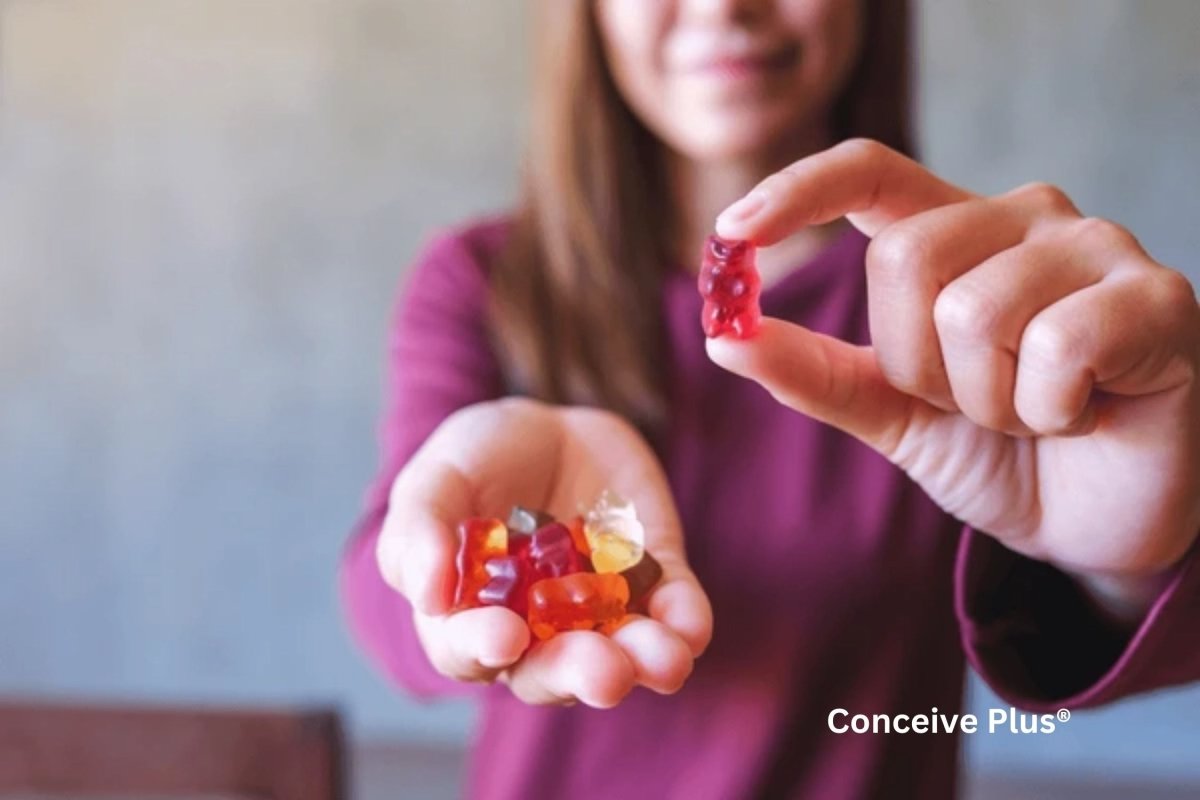
Prenatal gummies are soft, chewable, and available in fruity flavors, making them easier to consume. These are a significantly better option for women who experience nausea or dislike swallowing large pills. Gummy prenatals easy on stomach and lower the risk of digestive discomfort compared to pills.
The drawback is that many prenatal pills gummy contain added sweeteners to enhance taste, which may not be suitable for everyone. Also, the options for prenatal gummies are limited compared to pills.

Why Chewable Prenatal Vitamins Can Be a Better Option?
Chewable prenatal vitamins have become a preferred choice for many women, and here are some reasons why:
- Ease of Consumption: Some women experience morning sickness or difficulty swallowing pills during pregnancy [3]. Pre natal gummies provide an easier alternative since they are soft and chewable.
- Pleasant Taste: Gummies often come in fruity or sweet flavors, which makes the experience of taking them enjoyable. This can be especially helpful when pregnancy cravings or aversions make it unappealing to swallow pills [4].
- Gentle on the Stomach: Many women find that chewable vitamins are easier on the stomach than traditional pills, which can sometimes cause symptoms like stomach upset and nausea.
- Encourages Consistency: The pleasant taste and ease of chewable vitamins encourage regular use, ensuring that you don’t miss out on the regular dose of important nutrients during pregnancy.
No doubt prenatal gummies have many advantages, but it is also important to consider that they are not perfect and have some lackings. For example, they may not contain as much iron as traditional pills. Iron is a crucial nutrient for pregnancy, so women choosing chewable vitamins should ensure they get enough iron from other sources, like food or additional supplementation.
How to Choose a Good Prenatal Vitamin?
The decision to choose a single prenatal vitamin from dozens of options can be confusing, especially for a mother who is very much concerned about her pregnancy. This is because choosing the right prenatal vitamin is an important decision for the health of both mother and baby.
To make this decision easier, here are some tips for you to consider when selecting best prenatal gummies:
-
Look for Key Nutrients
A good prenatal vitamin must contain key nutrients for pregnancy health, including folic acid, iron, vitamin D, iodine, and DHA [5]. These nutrients can greatly influence the health of the mother and the development of the baby during pregnancy. Also, a deficiency of these nutrients can lead to serious birth complications.

-
Check for Quality Certifications
Make sure that the brand you are choosing for prenatal gummies offers third-party test reports for the potency and safety of their product. This is an important factor since any compromise on the product quality can risk the mother's and the baby's health during pregnancy.
-
Consider Your Specific Needs
If you don't prefer added sweeteners or any specific flavor, make sure that you read the product description carefully before ordering so that you don't end up getting something you don't like. Such a purchase can make your experience of getting prenatal vitamins unappealing.
Key Nutrients in Prenatal Vitamins and Their Importance
There are plenty of nutrients that can support the pregnancy directly or indirectly. However, some of the nutrients are more important than others, and their deficiency can lead to complications. Here are some of such nutrients that should be present in a prenatal vitamin supplement you choose:

✨ Start Your Prenatal Care Today
Our Prenatal Vitamins with DHA, Choline & Folate provide the essential nutrients you and your baby need for a healthy start.
Shop Now — $34.95✓ Free shipping on orders over $40 | ✓ Trusted by millions of couples worldwide
-
Folic Acid
Studies show that adequate folic acid levels during pregnancy can prevent neural tube defects, which affect the brain and spinal cord of the baby [6]. Experts recommend taking 400 to 800 micrograms of folic acid daily during pregnancy. You can get folic acid from leafy greens, beans, and fortified cereals, but supplements are highly recommended.
-
Iron
A woman's body produces up to 50% more blood during pregnancy than normal [7]. Iron is needed to produce this extra blood during pregnancy and prevent anemia. Reports suggest that a pregnant woman requires 27 milligrams of iron daily [8]. Some dietary sources of iron are red meat, spinach, and legumes. Some chewable prenatal vitamins are low in iron; in such cases, it is important to consider additional supplementation or prenatal gummies with iron.
-
Calcium
Calcium helps in the development of the baby’s bones and teeth. WHO recommends pregnant women take 1200 milligrams of calcium daily [9]. Some dietary sources of calcium include dairy products and fortified plant milk. However, during pregnancy, it is a good idea to take prenatal vitamins containing calcium for additional support and to avoid deficiency.
-
Vitamin D
Vitamin D facilitates the absorption of calcium and supports the immune system. Studies show that 1000 to 2000 IU of vitamin D intake is safe during pregnancy [10]. You can get vitamin D from sunlight, fortified foods, and best gummy prenatal vitamins.
-
Iodine
Iodine is essential for proper thyroid function in the mother and brain development in the baby. The recommended amount of iodine for pregnant women is 150 micrograms daily. You can get this amount of iodine from iodized salt, seafood, and dairy products, but prenatal supplements are also recommended during pregnancy.
-
DHA
Studies show that best prenatal DHA supports brain and eye development in babies [11]. Pregnant women are recommended to take 200 to 300 milligrams of DHA daily. You can get DHA from fatty fish, fish oil, and top prenatal vitamins with DHA.
Common Concerns About Chewable Prenatal Vitamins
Some women worry about the sugar content in chewable prenatal vitamins. While gummies are often sweetened to make them more enjoyable, sugar-free options are available for those concerned about their sugar intake.
Another concern is the potentially lower iron content in gummies compared to pills. If iron levels are insufficient in your chewable vitamin, you must include iron-rich foods or take good prenatal vitamins with iron. It’s also important to check if the gummies contain any substance to which you are allergic. Always read the label carefully and consult your doctor to ensure the prenatal vitamin you choose meets your needs.
When to Start Taking Prenatal Vitamins?
It’s best to start taking prenatal vitamins before you conceive. This ensures your body has all the necessary nutrients when the baby's development begins during the early stage of pregnancy. Most healthcare providers recommend starting at least three months before trying to conceive.
If you’re already pregnant, it’s never too late to begin. Taking prenatal vitamins throughout pregnancy ensures you and your baby receive essential nutrients like folic acid, iron, and DHA. These nutrients can help prevent birth defects and miscarriages and support the growth and development of the baby in the womb.

The Bottom Line
Doctors often recommend prenatal vitamins to pregnant mothers or women trying to conceive. These supplements contain many essential vitamins and minerals that positively influence the health of the mother and the baby.
Traditionally, prenatal vitamins were only available in the pill form but nowadays you can get them in the form of chewable gummies. Gummies formulation has plenty of benefits and this is why they are becoming very popular.
Women considering gummies for prenatal support often worry how to find good chewable prenatal vitamins to support their pregnancy or what are the best prenatal gummies. A good chewable prenatal vitamin is one that offers you all the key nutrients to support pregnancy while also being free from additives. If you're wondering 'where can I find prenatal vitamins' that meet your specific needs, it’s important to explore trusted brands and consult your healthcare provider for personalized recommendations.
FAQs
-
Is prenatal gummies good for pregnancy?
Prenatal gummies, just like prenatal pills, provide you with essential nutrients for pregnancy. These nutrients support the health of the mother and prevent birth complications in the baby.
-
What is the best prenatal for nausea?
Vitamin B6 containing prenatal gummies are usually the best prenatal vitamins for nausea, which is a common early pregnancy symptom.
-
How to find the most recommended prenatal vitamin brand?
You can find top prenatal gummy vitamins by evaluating the public reviews for a certain brand and see if the brand offers third party test reports for the potency and safety of their prenatal vitamins.
Resources Used
- Kiani, A. K., Dhuli, K., Donato, K., Aquilanti, B., Velluti, V., Matera, G., Iaconelli, A., Connelly, S. T., Bellinato, F., Gisondi, P., & Bertelli, M. (2022). Main nutritional deficiencies. Journal of preventive medicine and hygiene, 63(2 Suppl 3), E93–E101. https://doi.org/10.15167/2421-4248/jpmh2022.63.2S3.2752
- Adams, J. B., Kirby, J. K., Sorensen, J. C., Pollard, E. L., & Audhya, T. (2022). Evidence based recommendations for an optimal prenatal supplement for women in the US: vitamins and related nutrients. Maternal health, neonatology and perinatology, 8(1), 4. https://doi.org/10.1186/s40748-022-00139-9
- Lee, N. M., & Saha, S. (2011). Nausea and vomiting of pregnancy. Gastroenterology clinics of North America, 40(2), 309–vii. https://doi.org/10.1016/j.gtc.2011.03.009
- Yalew, A., Silasie, W. T., Anato, A., & Fikrie, A. (2021). A community based mixed crossectional study design. Reproductive Health, 18(1). https://doi.org/10.1186/s12978-021-01258-w
- Marshall, N. E., Abrams, B., Barbour, L. A., Catalano, P., Christian, P., Friedman, J. E., Hay, W. W., Jr, Hernandez, T. L., Krebs, N. F., Oken, E., Purnell, J. Q., Roberts, J. M., Soltani, H., Wallace, J., & Thornburg, K. L. (2022). The importance of nutrition in pregnancy and lactation: lifelong consequences. American journal of obstetrics and gynecology, 226(5), 607–632. https://doi.org/10.1016/j.ajog.2021.12.035
- Petersen, J. M., Parker, S. E., Benedum, C. M., Mitchell, A. A., Tinker, S. C., & Werler, M. M. (2019). Periconceptional folic acid and risk for neural tube defects among higher risk pregnancies. Birth defects research, 111(19), 1501–1512. https://doi.org/10.1002/bdr2.1579
- Soma-Pillay, P., Catherine, P., Tolppanen, H., Mebazaa, A., Tolppanen, H., & Mebazaa, A. (2016). Physiological changes in pregnancy. Cardiovascular Journal of Africa, 27(2), 89. https://doi.org/10.5830/CVJA-2016-021
- Beerman, K., PhD. (2022, October 26). Women may need additional iron during later stages of pregnancy - American Society for Nutrition. American Society for Nutrition. https://nutrition.org/women-may-need-additional-iron-during-later-stages-of-pregnancy/
- M Willemse, P. M., E Meertens, L. J., J Scheepers, H. C., J Achten, N. M., Eussen, S. J., & M Smits, L. J. (2019). Calcium intake from diet and supplement use during early pregnancy: The Expect study I. European Journal of Nutrition, 59(1), 167. https://doi.org/10.1007/s00394-019-01896-8
- Irwinda, R., Hiksas, R., Lokeswara, A. W., & Wibowo, N. (2022). Vitamin D supplementation higher than 2000 IU/day compared to lower dose on maternal–fetal outcome: Systematic review and meta-analysis. Women's Health, 18, 17455057221111066. https://doi.org/10.1177/17455057221111066
- Basak, S., Mallick, R., & Duttaroy, A. K. (2020). Maternal Docosahexaenoic Acid Status during Pregnancy and Its Impact on Infant Neurodevelopment. Nutrients, 12(12), 3615. https://doi.org/10.3390/nu12123615
🌱 Everything You and Baby Need
Conceive Plus Prenatal Vitamins are formulated with DHA for brain development and Folate for neural tube protection.
Shop Prenatal Vitamins →Frequently Asked Questions
Recommended by Fertility Experts
Conceive Plus Fertility Lubricant
Specially formulated to be sperm-friendly and isotonic, supporting your natural conception journey without disrupting the reproductive environment.
Shop Now →Q: Are chewable prenatal vitamins as effective as pills?
A: Yes, chewable prenatal vitamins are equally effective as traditional pills when they contain the same active ingredients and dosages recommended by healthcare providers. The American College of Obstetricians and Gynecologists (ACOG) emphasizes that the form of the vitamin matters less than ensuring you receive adequate amounts of key nutrients like folic acid (400-800 mcg daily), iron, and calcium throughout your pregnancy. Chewable vitamins may actually offer better compliance for some women who struggle with swallowing pills or experience nausea during pregnancy. The key is choosing a prenatal vitamin—whether chewable or pill form—that has been tested for quality and contains all essential nutrients needed for fetal development.
Q: What nutrients should I look for in a prenatal vitamin?
A: Essential prenatal nutrients include folic acid (400-800 mcg), iron (27 mg daily during pregnancy), calcium (1,000 mg), vitamin D (600 IU), DHA omega-3 (200-300 mg), and iodine (150 mcg), all of which support fetal brain development, bone formation, and maternal health. The FDA does not regulate supplements the same way it regulates medications, so look for prenatal vitamins that are third-party tested by organizations like USP or NSF to ensure purity and potency. Beyond prenatal vitamins, many fertility experts recommend starting with a comprehensive fertility supplement like Conceive Plus, which supports overall reproductive health before and during pregnancy. Always consult your healthcare provider to ensure any supplement regimen meets your individual nutritional needs and health status.
Q: When should I start taking prenatal vitamins?
A: Healthcare professionals recommend starting prenatal vitamins at least one month before you begin trying to conceive, as certain nutrients like folic acid help prevent neural tube defects during the critical early weeks of pregnancy when you may not yet know you're pregnant. According to the Centers for Disease Control and Prevention (CDC), approximately 50% of pregnancies in the United States are unplanned, making pre-conception vitamin supplementation especially important for women of childbearing age. Continuing prenatal vitamins throughout your entire pregnancy and into the postpartum period—especially if breastfeeding—ensures sustained nutritional support for both mother and baby. Starting early with a quality prenatal supplement gives your body the nutritional foundation needed for optimal fertility and pregnancy outcomes.
Q: Do chewable prenatal vitamins have any drawbacks?
A: The main drawback of chewable prenatal vitamins is that some formulations may contain added sugars or artificial sweeteners to improve taste, which could be a concern for women managing gestational diabetes or those watching their sugar intake during pregnancy. Additionally, chewable vitamins may have a shorter shelf life once opened due to exposure to air and moisture, so proper storage is essential to maintain potency. Some prenatal nutrients, particularly iron, can have a metallic or unpleasant taste in chewable form, potentially causing nausea in pregnant women who are already dealing with morning sickness. Despite these considerations, many women find chewables easier to tolerate than traditional pills, making them a practical choice when combined with a balanced diet and complementary fertility support.
Q: How do I know if a prenatal vitamin brand is trustworthy?
A: Look for prenatal vitamins that have third-party certification from organizations like the United States Pharmacopeia (USP), NSF International, or ConsumerLab, which verify that products contain the ingredients listed on the label in the correct amounts. Check that the brand provides transparent ingredient sourcing and has been recommended by healthcare professionals or fertility specialists; reputable brands often publish clinical research supporting their formulations. The American Fertility Society and ASRM (American Society for Reproductive Medicine) suggest choosing supplements from established manufacturers with good manufacturing practices (GMP) certification to ensure safety and quality. Reading verified customer reviews and consulting with your OB-GYN or reproductive health specialist can help you identify prenatal vitamins that align with your specific health needs and pregnancy goals.
Trusted by Couples in Over 70 Countries
Start Your Fertility Journey With the Right Support
Conceive Plus Fertility Lubricant is specially formulated to be compatible with sperm, eggs, and embryos. Whether you are just starting out or have been trying for a while, our products are designed to work with your body — not against it.
Explore Fertility Lubricant →