High Sensitivity Pregnancy Test Guide: Finding the Best Early Results in 2026


If you are staring at a blank test window, does a lower number on the box actually mean a faster answer? While standard kits often wait for your period to go missing, using a high sensitivity pregnancy test can detect the hCG hormone days earlier than you might expect. We understand that the two-week wait is an agonizing stretch of time filled with anxiety, symptom spotting, and the frustration of squinting at faint lines. You want a clear "yes" or "no" as soon as possible so you can move forward with confidence and clarity.
In this guide, we'll explain how 2026 technology now allows the most sensitive tests to detect hCG levels as low as 6.3 mIU/mL. You'll learn exactly why a 10 mIU/mL test provides answers faster than the standard 25 mIU/mL versions and which brands offer the best accuracy for early detection. We'll also cover how to avoid common user errors that lead to false negatives, ensuring you get the most reliable result possible from the comfort of your home.
Key Takeaways
- Identify why a lower mIU/mL rating signifies a more powerful test and how to spot the difference between 10mIU and 25mIU options.
- Learn why 8 days post-ovulation is the earliest window for a high sensitivity pregnancy test to provide a reliable result.
- Compare the benefits of bulk test strips versus digital wands to find the most cost-effective and clear format for your needs.
- Master the correct testing window and collection techniques to eliminate the confusion caused by faint lines or evaporation marks.
- Understand the vital role of prenatal support and how to adjust your conception strategy based on your early test results.
Understanding High Sensitivity: Why mIU/mL is the Key Metric
Choosing the right test is not about the brand name; it's about the math. Every kit uses a specific sensitivity threshold measured in milli-International Units per milliliter, or mIU/mL. This number tells you exactly how much human Chorionic Gonadotropin (hCG) needs to be in your system for the test to show a positive result. Understanding the history and types of pregnancy tests helps clarify why modern kits are so much more reliable than those from previous decades.
A high sensitivity pregnancy test typically targets a threshold between 10 and 15 mIU/mL. As of May 2026, the most advanced tests on the market can even detect concentrations as low as 6.3 mIU/mL. In contrast, standard tests often require 20 to 25 mIU/mL to trigger a line. Because hCG levels rise rapidly after implantation, a lower threshold allows you to identify a pregnancy days earlier. There's a trade-off, though. These ultra-sensitive tests can detect chemical pregnancies, which are very early miscarriages that might have otherwise gone unnoticed if you'd waited for a standard test.
To see how these levels translate to real-world results on a daily basis, watch this line progression video:
What is hCG and Why Does it Matter?
Human Chorionic Gonadotropin is the primary biomarker for pregnancy detection. Once an embryo implants in the uterine lining, the body begins producing this hormone to maintain the pregnancy. In the earliest stages, hCG levels are tiny but they grow fast. For most people, levels double every 48 to 72 hours. This rapid increase is exactly what home tests are designed to catch. Without this hormone, the test remains negative, making it a definitive signal that implantation has occurred.
10 mIU/mL vs. 25 mIU/mL: The 48-Hour Difference
The difference between a 10 mIU/mL test and a 25 mIU/mL test is usually about two days of hormone growth. If your hCG level is at 10 mIU/mL on a Monday, it likely won't reach the 25 mIU/mL mark until Wednesday or Thursday. For someone experiencing the anxiety of the two-week wait, those 48 hours feel like an eternity. Testing early requires patience and an understanding that a negative today could still become a positive tomorrow as levels rise.
Choosing a 10 mIU/mL "gold standard" test is ideal if you're using an ovulation calculator to track your cycle closely and want the earliest possible confirmation. If you prefer to avoid the emotional rollercoaster of potentially detecting a very early loss, a standard 25 mIU/mL test used on the day of your missed period might be the better choice. It all depends on whether you value speed or a higher certainty that the pregnancy has successfully progressed past the initial implantation phase.
Comparing Formats: Strips, Wands, and Digital High-Sensitivity Tests
Choosing between a strip, a midstream wand, or a digital device depends on your budget and your need for visual clarity. While many consumers assume digital tests are the pinnacle of technology, they often lag behind manual wands in raw sensitivity. A manual high sensitivity pregnancy test can often detect hCG at 10 mIU/mL or even 6.3 mIU/mL, whereas some digital counterparts still require a higher threshold to trigger a "Pregnant" reading. This distinction is vital for those testing before a missed period. According to FDA guidance on pregnancy test accuracy, the reliability of these devices depends heavily on following the specific timing and collection instructions provided by the manufacturer.
There is also a significant emotional factor to consider when selecting a format. High sensitivity tests are double edged swords because they can detect chemical pregnancies. These are very early losses that occur shortly after implantation. A standard test might never show a positive result in these cases, but a high sensitivity version will. While this provides earlier data, it also requires a level of emotional preparedness for results that may not progress. For those looking to optimize their environment for a successful result, exploring fertility-friendly support options can be a helpful next step in the journey.
Test Strips: The Choice for Frequent Testers
Test strips are the most cost effective option for those who prefer to test daily. These "dip and wait" tests are sold in bulk, often in packs of 25 or 50, making them ideal for monitoring line progression. By testing at the same time each morning, you can see if the test line gradually darkens. This visual feedback offers reassurance that hCG levels are rising. While they lack the plastic housing of midstream wands, they are more environmentally friendly and provide the same 10 mIU/mL sensitivity found in premium brands. If you are testing daily, using a cycle tracking tool can help you align your testing days with your peak fertility data.
Digital vs. Analog: Clarity vs. Sensitivity
Digital tests eliminate the stress of "line jumping" or squinting at faint shadows. They use an internal optical sensor to read the result and display a clear word. However, this convenience comes with a trade-off. Some digital sensors require more hCG to register a positive than a traditional dye-based test. In a manual high sensitivity pregnancy test, you might see a "dye stealer" result, where the test line is actually darker than the control line because the hCG concentration is so high. This is a clear indicator of a strong positive that a digital test simply cannot show. Most experts recommend using a high sensitivity manual wand first for early detection, followed by a digital test a day or two later for definitive confirmation.
The Science of Early Detection: When is the Earliest You Can Test?
Biology moves at its own pace, regardless of how anxious you are to see a result. After fertilization, the egg travels down the fallopian tube to the uterus. Implantation typically happens between 6 and 12 days after ovulation. Before this event occurs, your body isn't producing hCG, so no test can detect a pregnancy. Using a high sensitivity pregnancy test at 8 days past ovulation (DPO) is the absolute earliest most people can expect a faint line. Even then, many successfully pregnant individuals will still see a negative result because their levels haven't reached the detection threshold yet.
One of the biggest mistakes in early testing is relying on a generic calendar. Cycles vary from month to month, and your period might be "late" simply because you ovulated later than usual. This is why using an ovulation calculator to pinpoint your actual window is far more effective than counting back from a projected period date. Late implantation can also occur, meaning hCG levels won't be high enough to detect until 12 or 13 DPO. Following best practices for early pregnancy testing ensures you don't lose hope over a premature negative or get confused by an ambiguous result.
The Role of Days Past Ovulation (DPO)
Tracking DPO is the most accurate way to measure your testing window. At 8 DPO, only a small percentage of pregnant people will get a positive result. By 10 DPO, that probability climbs significantly. By 14 DPO, which is usually the day of an expected period, the accuracy for a high sensitivity pregnancy test reaches over 99%. To get the most precise start date for your two-week wait, you should track your Luteinizing Hormone (LH) surge. This identifies the 24 to 48 hour window when ovulation occurs, giving you a reliable biological starting point for your countdown.
Morning Urine vs. Random Testing
In the early days of pregnancy, hCG is present in very low concentrations. First Morning Urine (FMU) is the gold standard for testing because it hasn't been diluted by water or other liquids you've consumed throughout the day. If you can't wait until morning, try a four-hour "urine hold" where you limit fluid intake to keep the hormone concentrated. Excessive hydration can dilute your sample, leading to a frustratingly faint line or a false negative. Consistency is key. If you are comparing lines to track progression, always test at the same time of day to ensure the results are comparable and accurate.
Best Practices for Testing: Avoiding Faint Lines and Evaporation Lines
Precision is everything when you're looking for an answer days before your period. Even the best high sensitivity pregnancy test can produce confusing results if the testing environment isn't controlled. To get the most accurate read, you should treat the process like a small science experiment. Start by checking the expiration date on the box and verifying the mIU rating. A test that has sat in a humid bathroom cabinet for a year may have degraded antibodies, leading to a false negative. Always use a clean, dry collection cup rather than testing directly in the urine stream to prevent "flooding" the reactive strip with too much liquid.
Timing is the most frequent point of failure for home users. You must read the result strictly within the window specified in the instructions, which is usually between 3 and 10 minutes. If you look too early, the dye hasn't finished moving. If you look too late, the drying process can create a deceptive shadow. If you've followed these steps and still feel unsure about your results, consider using fertility support products to help prepare your body for the next steps of your journey.
- Step 1: Verify the "mIU" rating and expiration date before opening the foil pouch.
- Step 2: Collect a sample in a clean cup to ensure the wick absorbs the urine evenly.
- Step 3: Set a digital timer for the exact duration mentioned in the manual.
- Step 4: Examine the line in natural light to check for actual pigment (pink or blue).
- Step 5: If the line is faint, wait 48 hours and test again to see if the line darkens.
Troubleshooting Faint Lines
A faint line can be an emotional rollercoaster. If the line has even a hint of color, it's almost always a biological positive result. However, some brand-name tests are prone to "indent lines." These are colorless grooves where the dye is supposed to sit. They can look like a positive to an eager eye. To tell the difference, look at the test from multiple angles. A real positive from a high sensitivity pregnancy test will have a distinct, solid edge of color. Taking a photo and increasing the contrast on your phone can often help you distinguish a true line from a grey shadow.
Common Mistakes That Cause False Results
User error is more common than test failure. Flooding the test by dipping it too deep or for too long can cause the dye to smear, making it impossible to read. Another common issue is the evaporation line, which appears as the test dries out. These are always colorless and appear after the 10-minute window has passed. Finally, if you're undergoing fertility treatments, be cautious about testing too soon after a "trigger shot." These injections contain synthetic hCG that can linger in your system for 10 to 14 days, triggering a false positive on even the most sensitive tests.
Beyond the Test: Supporting Your Conception Journey
A negative result on a high sensitivity pregnancy test can feel like a setback, but it's actually data you can use to refine your approach. Testing early provides a window into your biological timeline. Even if this month didn't bring the news you hoped for, you've established a baseline for your cycle length and hormone patterns. Regardless of the outcome this month, taking fertility prenatal vitamins is a critical step in preparing your body for the eventual "yes." These nutrients need time to build up in your system to support egg quality and early fetal development, making the preconception period just as important as the pregnancy itself.
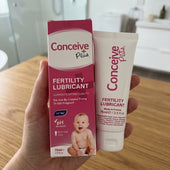
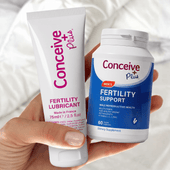
Many couples don't realize that standard lubricants can actually hinder sperm motility by creating a barrier or having an incompatible pH. Switching to fertility friendly lubricants can help create an environment that supports sperm on their journey to the egg. Understanding when to seek professional help is also vital for your peace of mind:
- Under 35: Consult a specialist after 12 months of consistent trying.
- Over 35: Seek advice after 6 months of trying to maximize your window.
- Known Issues: Seek intervention immediately if you have irregular cycles, PCOS, or endometriosis.
Optimizing for the Next Cycle
Hormone balance is the foundation of a successful conception. Incorporating myo-inositol for fertility can help regulate your cycle and support insulin sensitivity, which is vital for egg health. When you combine these supplements with high-sensitivity ovulation tests and tracking apps, you gain a much clearer picture of your fertile window. A holistic approach means looking at both partners. While much focus is on the person carrying the pregnancy, sperm health accounts for roughly half of the equation. Supporting both with targeted nutrition ensures you aren't just guessing when to test but are actively improving the biological environment for your next high sensitivity pregnancy test.
The Conceive Plus Advantage
Success in conception often comes down to having the right tools at the right time. Our Conceive Plus TTC bundles provide a comprehensive suite of support, from supplements to lubricants designed for your specific journey. Reading through customer reviews can provide real-world insights into how these products have helped others navigate the same path you're on today. Every journey is unique, but you don't have to navigate it without support. When you're ready to move forward, shop high-sensitivity tests and fertility support to give yourself the best possible chance at a clear, early positive result.
Empower Your Journey with Early Clarity
Managing the two-week wait requires more than just patience; it requires the right science in your hands. You now know that the mIU/mL rating is the only metric that truly defines speed. Tracking your ovulation is the key to testing at the right biological moment. By choosing a high sensitivity pregnancy test, you remove the guesswork and replace it with data-driven confidence. Whether you prefer the simplicity of a wand or the cost-effectiveness of bulk strips, following the best practices for timing and collection ensures you get a definitive answer when it matters most.
Conceive Plus has been a physician-recommended fertility brand trusted by millions of couples worldwide since 2008. Our products offer over 99% accuracy to give you the peace of mind you deserve during this emotional time. Don't leave your results to chance. You can rely on proven technology designed for your success. Shop High-Sensitivity Pregnancy Tests & TTC Bundles today to take the next step in your conception journey. We're here to support you every step of the way as you work toward the family you've always imagined.
Frequently Asked Questions
Can a high sensitivity pregnancy test be wrong?
High sensitivity pregnancy tests can be wrong if they are used outside their intended window. A false negative is the most common error, occurring when you test before the embryo has fully implanted and begun producing hCG. False positives are exceptionally rare but can happen if you are taking specific fertility medications that contain the hormone or if the test has expired and the antibodies have degraded.
Is a faint line on an early pregnancy test a positive?
A faint line is almost always a biological positive if it contains visible pink or blue pigment. This indicates that the test has successfully detected hCG in your system, even at a very low level. If the line is colorless or only appears after the test has completely dried, it is likely an evaporation line rather than a positive result. Always confirm a faint line with a second test 48 hours later.
What is the difference between 10mIU and 25mIU pregnancy tests?
The primary difference is the concentration of hormone required to trigger a positive result. A 10mIU test is significantly more sensitive than a 25mIU version. Because hCG levels double roughly every 48 hours in early pregnancy, using a high sensitivity pregnancy test with a 10mIU threshold can often provide an answer two full days earlier than a standard kit. This makes them ideal for early detection during the two-week wait.
Can medications affect the results of a high sensitivity test?
Most standard medications like antibiotics, pain relievers, or birth control pills won't interfere with your results. The main exception is fertility medication used for "trigger shots" during IUI or IVF cycles. These injections contain synthetic hCG that can stay in your system for up to 14 days. This can lead to a misleading positive on a sensitive test, so it's best to wait until the medication has cleared your system.
How soon after implantation will a sensitive test show positive?
You can typically see a positive result about 48 to 72 hours after implantation occurs. Since implantation usually happens between 6 and 12 days past ovulation, a sensitive test might show a result as early as 8 DPO. However, for the highest level of accuracy, testing at 12 DPO is recommended. This allows enough time for the hormone to reach a concentration that is easily detectable in your urine.
Why did I get a positive early test but then my period started?
This scenario is usually caused by a chemical pregnancy, which is a very early miscarriage that occurs shortly after implantation. Because a high sensitivity pregnancy test is designed to catch tiny amounts of hCG, it can detect a pregnancy that fails before it can be seen on an ultrasound. A standard test might have remained negative, making it seem like your period simply arrived on its expected date.
Does drinking too much water affect pregnancy test accuracy?
Excessive hydration can definitely impact the accuracy of your results during early testing. Drinking large amounts of water dilutes the hCG in your urine, which might lead to a false negative or an impossibly faint line that is hard to read. This is why experts recommend using first morning urine or performing a four-hour urine hold before testing to ensure the hormone is as concentrated as possible.
Are expensive pregnancy tests more sensitive than cheap ones?
Price doesn't always correlate with sensitivity. Many affordable bulk test strips offer a high sensitivity of 10 mIU/mL, while some expensive digital wands actually require a higher hCG concentration of 25 mIU/mL to trigger the "Pregnant" result. Always check the technical specifications on the packaging rather than relying on the price tag. You are often paying for the plastic housing and digital display rather than the actual chemical sensitivity.
Frequently Asked Questions
What does mIU/mL mean and why does it matter for pregnancy tests?
mIU/mL (milli-International Units per milliliter) is the measurement of hCG hormone sensitivity in pregnancy tests. A lower mIU/mL number means the test can detect smaller amounts of hCG, allowing you to get a positive result earlier in pregnancy. For example, a 10 mIU/mL test is twice as sensitive as a standard 25 mIU/mL test and can detect pregnancy several days before your missed period.
How many days after ovulation can I get an accurate pregnancy test result?
According to fertility experts, the earliest reliable testing window is 8 days post-ovulation when hCG levels are typically high enough for detection. However, most high-sensitivity tests won't show reliable results until 10-12 days after ovulation, which corresponds to approximately 3-5 days before your missed period. Testing too early can result in false negatives, so patience with the timeline increases accuracy.
What's the difference between pregnancy test strips, wands, and digital tests?
Test strips are the most affordable option but require interpretation of faint lines, while digital wands display clear 'pregnant' or 'not pregnant' text to eliminate confusion. All three formats can be equally sensitive (10 mIU/mL or lower) depending on the brand, so your choice depends on budget, ease of reading, and personal preference. Bulk strip purchases are most cost-effective for those tracking cycles, while digital tests offer clarity for anxiety-prone users.
Why am I seeing faint lines on my pregnancy test—does that mean I'm pregnant?
A faint line typically indicates a positive result with low hCG levels, often appearing when testing very early in pregnancy or close to the test's sensitivity threshold. However, faint lines can also be evaporation lines (marks left by test fluid after drying) or false positives, so timing and proper test technique are crucial. The best approach is to retest with first morning urine in 2-3 days when hCG levels rise, or confirm with a blood test from your healthcare provider.
Are high-sensitivity pregnancy tests FDA approved and covered by insurance?
Over-the-counter high-sensitivity pregnancy tests sold in the US must meet FDA standards for accuracy, though individual test sticks aren't 'approved' in the same way medications are. Most insurance plans do not cover home pregnancy tests, but blood tests ordered by your doctor (quantitative hCG tests) are typically covered and provide definitive results. If you suspect pregnancy, contacting your OB-GYN or fertility clinic allows them to order covered lab confirmation rather than relying solely on home tests.
What common mistakes lead to false negative pregnancy test results?
The most common errors include testing too early before sufficient hCG accumulation, using diluted urine instead of first morning urine, and not reading results within the correct timeframe (usually 3-5 minutes). Improper storage, expired tests, and failing to follow the manufacturer's exact instructions can also cause false negatives. Using a high-sensitivity 10 mIU/mL test with proper technique—first morning urine, correct dipping depth, and timely reading—significantly reduces error.
Should I adjust my conception strategy based on early pregnancy test results?
A positive early test should prompt you to contact your OB-GYN or fertility clinic for a confirmatory blood test (beta hCG) and to begin prenatal care, including folic acid supplementation. If you receive negative results but suspect pregnancy, repeat testing in 2-3 days or request a blood test from your healthcare provider for definitive confirmation. Fertility specialists recommend using early test results as a signal to schedule professional evaluation rather than making major health decisions based on home tests alone.
Trusted by Couples in Over 70 Countries
Support Male Fertility From the Inside Out
Male fertility is just as important as female fertility in the conception journey. Conceive Plus Men's range delivers targeted nutritional support to promote healthy sperm and overall reproductive wellbeing.
Shop Men's Range →