How Are Eggs Fertilized and What Happens During Fertilization
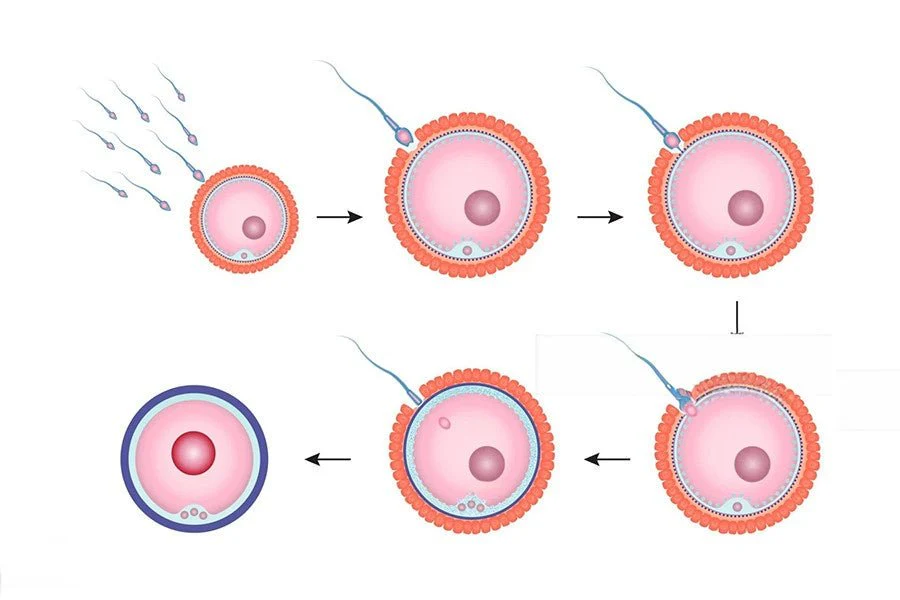

Life’s beginnings are downright fascinating. Sometimes, people get curious about how are eggs fertilized because it’s a mystery how that union of cells sets the stage for pregnancy. If you’re trying to conceive or just curious about baby-making biology, you might find it amazing how so many details must line up perfectly for conception. Fertilization is the big deal here—it’s the union of egg and sperm that forms the very first cell of a potential new human. This article explores how everything works step by step, mention how long does it take for sperm to reach egg, and discuss the roles that timing, hormones, and lifestyle can play in helping or hindering this process [1].
What Is Fertilization and Why It Matters
Before we explore how are eggs fertilized, let’s answer another basic query: what is fertilization? In the simplest terms, it’s when a sperm cell successfully enters an egg’s outer membrane, merging their genetic material into a single new cell. This new union is so vital that many refer to fertilization fertilization as the moment a new life’s blueprint is set in motion.

Fertilized eggs hold the combined DNA from both parents. That’s a pretty important reason to understand the dynamics of egg and sperm health. If either one isn’t at its best, the entire process might fail or face stumbling blocks along the way [2].
Pro Tip: Keep an eye on nutrients like selenium and zinc, which have been suggested to be important for egg and sperm development. Adequate amounts of these might just help your TTC journey.
How Long Does It Take for Sperm to Reach the Egg
A lot of folks who are TTC get hung up on one question: how long does it take for sperm to reach egg? The truth is, this timing is not always consistent. After ejaculation, sperm enters the female reproductive tract, traveling through cervical mucus and the uterus until it finally makes its way up into the fallopian tubes. Some super speedy sperm cells could get there in half an hour. Others might meander for hours.
On top of that, questions like how long does sperm take to reach egg or how long for sperm to reach egg hinge on sperm quality and female reproductive health. Speed is one factor, but the environment they swim in is also crucial. Sometimes, it’s a tough trek. But the determined ones find the egg [3].
Where Does Fertilization Usually Occur
There’s a sweet spot in the female reproductive system known as the fallopian tube’s ampulla, which is typically where does fertilization usually occur. Indeed, fertilization generally occurs in the fallopian tube, where a freshly released egg drifts along, waiting for the winning sperm. This locale is absolutely necessary for the actual process of fertilization to unfold.
If the tubes are blocked or damaged from something like endometriosis or infection, that can easily lower the odds of sperm meeting the egg and hamper how do eggs become fertilized [4].
Pro Tip: Some say that consuming a well-balanced diet full of magnesium and calcium can help maintain healthy muscle contractions in the reproductive tract, potentially offering a friendlier environment for the egg and sperm.
How Are Eggs Fertilized Step by Step
When someone asks how do eggs become fertilized, the step-by-step breakdown can look like this:
- Ovulation: The ovary releases a mature egg. It’s scooped by the fringes of the fallopian tube [5].
- Sperm Transport: Millions of sperm journey through the cervix and uterus, a route that’s no walk in the park [6].
- Sperm Entering Egg: Once near the egg, one sperm cell eventually breaches the outer membrane, thanks to special enzymes in its head [7].
- Fusion: After that crucial breach, their genetic material fuses [8].
At that moment, fertilization occurs when the boundaries between egg and sperm dissolve and their DNA merges. Timing is everything, and only one sperm makes it in (in most typical cases).
How Long Does It Take to Fertilize an Egg
The question how long does it take to fertilize an egg usually refers to the window once the sperm meets the egg in the fallopian tube. The egg remains viable for around 12 to 24 hours after ovulation, so fertilization often takes place within that narrow timeframe.
But don’t forget: sperm can live in the reproductive tract for up to five days if cervical mucus is supportive. So that extends the actual window in which the egg can still get fertilized. This helps answer how long does it take for an egg to fertilize and how long does it take sperm to fertilize an egg because the entire event might happen right after ovulation or even a few days post-intercourse [9].
What Is a Fertilized Egg Called
Wondering what is a fertilized egg called? Once the sperm DNA and egg DNA combine, you get a brand-new cell known as a zygote. Also, in other contexts, people might simply say a fertilized egg is called a zygote. If you ever ask what is a fertilized egg, that’s your answer. The zygote is the earliest stage, which will soon start dividing into multiple cells and eventually become a blastocyst [10].

The Implantation Process: What Happens Next
After fertilization, the newly formed blastocyst journeys through the fallopian tube. The implantation process is the next big milestone. This is when that early cluster of cells latches onto the uterine lining, typically 6 to 10 days later.
Sometimes folks wonder how long does it take for an egg to implant or how long does it take for egg to implant. On average, that’s about a week or so after fertilization. If everything goes smoothly, the embryo will embed in the uterus, eventually developing the placenta [11].

✨ Think You Might Be Pregnant?
Get fast, accurate results up to 6 days before your missed period with our early detection pregnancy test.
Shop Now — $9.80✓ Free shipping on orders over $40 | ✓ Trusted by millions of couples worldwide
Fertilization and Hormonal Support
For fertilization to succeed and for the pregnancy to progress, hormones like progesterone and estrogen must be in check. They help ensure fertilization occurs in the ideal environment. Once fertilization takes place in the fallopian tubes, these hormones also help the uterus get ready for that fertilized egg to implant.
Hormonal disorders, including PCOS and thyroid imbalances, might complicate how long can it take sperm to fertilize an egg by interfering with ovulation or endometrial receptivity.
What Prevents Fertilization from Occurring
A variety of issues can block the path to successful fertilization. For instance, if the tubes are blocked, the egg and sperm simply can’t meet. Poor sperm motility is another culprit. Lifestyle elements also matter: smoking, excess alcohol, or even extreme stress could harm your fertility.
Medical conditions like advanced maternal age or ovarian cysts may also compromise the process of fertilization. If any of these factors are present, it may throw off the delicate timing needed for successful union [12].
Why Egg and Sperm Health Matter
Quality of both the egg and sperm is absolutely essential. If their DNA is in top shape, fertilization stands a better chance. Nutrients like CoQ10, L-carnitine, and folate might help fortify reproductive cells. Meanwhile, antioxidants guard cells against oxidative stress, which can hamper fertilization occurs when the environment is not ideal.
The egg and sperm meet in the tube, so if either cell is weak or damaged, the union might not happen, or the embryo won’t implant well [13].
How Long Does It Take for an Egg to Implant
When fertilization has happened, next up is implantation. People commonly wonder how long does it take for an egg to implant. Generally, it’s a trek of roughly 7 to 10 days post-fertilization. If it successfully nests in the uterine lining, pregnancy is off to a strong start. If not, the body proceeds to the next menstrual cycle.
Some may notice slight cramping or even light spotting (often called implantation bleeding), but that doesn’t happen to everyone [14].
Fertilization Timeline and Key Events
Mapping out the timeline is helpful:
- Ovulation: Usually around day 14 in a 28-day cycle (though that can vary).
- Sperm’s Arrival: How long does sperm take to reach egg can vary from minutes to hours, but fertilization might still not happen immediately.
- Fertilization: They merge within 12 to 24 hours of ovulation.
- Implantation: A blastocyst attaches in about 6 to 10 days.
That is why planning intercourse around ovulation is essential. These details connect with how long does it take for sperm to fertilise egg and how long does it take sperm to fertilize an egg [15].
Pro Tip: If you’re actively TTC, some swear by tracking ovulation patterns meticulously so the timing matches your partner’s sperm availability.
What Does Fertilization Mean for Pregnancy
You might ask, what does fertilization mean for an actual pregnancy? Well, it’s the starting line. If fertilisation takes place in the right window and conditions are supportive, you are on your way to forming an embryo that can implant. That’s literally the beginning of a new life.
From this point, a healthy uterine environment is vital. Plenty of couples seeking success focus on a nutrient-rich diet or fertility supplements that help both male and female reproductive health [16].
The Role of Vitamins and Minerals in Fertility
Speaking of nutrients: vitamins, antioxidants, and minerals often get recommended to people hoping to conceive. Folic acid, for example, is famous for supporting cell division. CoQ10 might boost overall cellular energy. Sperm entering egg is more likely to succeed if the sperm is healthy and robust, fueled by nutrients like zinc, selenium, and L-carnitine.
Those nutrients can also help address any subtle issues that could otherwise disrupt fertilization generally occurs in the fallopian tubes. Balanced hormones plus adequate nutrient intake can tip the odds in your favor.

The Bottom Line
It’s incredible how many fine details go into fertilization. Everything from how long does it take for sperm to reach egg to how long does it take for an egg to implant depends on a well-orchestrated sequence of events. Understanding how are eggs fertilized empowers anyone trying to conceive, because knowledge is truly half the battle.
You can optimize your fertility by focusing on egg and sperm health, managing stress, and timing intercourse around ovulation. Don’t be afraid to consider fertility-friendly supplements that support the process of fertilization. Keep tabs on your hormone levels and any conditions that might block how long does it take to fertilize an egg.
Every step might feel overwhelming, but once you start piecing these bits of information together, the bigger picture becomes clearer—and that can make the journey a little less daunting.
FAQs
Where does fertilization typically occur?
Fertilization typically occurs in the fallopian tube, specifically in a region called the ampulla.
How long does it take for sperm to fertilise egg?
Usually around 12 to 24 hours once the sperm has reached the egg in the tube.
What is a fertilized egg?
A fertilized egg is that early cell called a zygote, containing the genetic info from both parents.
How long does sperm take to reach an egg?
A few sperm can get there in half an hour, but fertilization might not happen right away.
Fertilization occurs when the?
It occurs when the sperm penetrates the egg’s outer membrane, allowing their DNA to merge.
Citations
- Macklon, N. S., Geraedts, J. P., & Fauser, B. C. (2002). Conception to ongoing pregnancy: the 'black box' of early pregnancy loss. Human reproduction update. Available at: https://pubmed.ncbi.nlm.nih.gov/12206468/
- Vander Borght, M., & Wyns, C. (2018). Fertility and infertility: Definition and epidemiology. Clinical biochemistry. Available at: https://pubmed.ncbi.nlm.nih.gov/29555319/
- Krausz, C., Escamilla, A. R., & Chianese, C. (2015). Genetics of male infertility: from research to clinic. Reproduction (Cambridge, England). Available at: https://pubmed.ncbi.nlm.nih.gov/26447148/
- De Vos, M., Smitz, J., & Woodruff, T. K. (2014). Fertility preservation in women with cancer. Lancet (London, England). Available at: https://pubmed.ncbi.nlm.nih.gov/25283571/
- Jo, M., Brännström, M., Akins, J. W., & Curry, T. E., Jr (2024). New insights into the ovulatory process in the human ovary. Human reproduction update, dmae027. Advance online publication. Available at: https://pubmed.ncbi.nlm.nih.gov/39331957/
- Miller D. J. (2018). Review: The epic journey of sperm through the female reproductive tract. Animal : an international journal of animal bioscience. Available at: https://pmc.ncbi.nlm.nih.gov/articles/PMC9556260/
- Evans J. P. (2012). Sperm-egg interaction. Annual review of physiology. Available at: https://pubmed.ncbi.nlm.nih.gov/22054237/
- Yanagimachi R. (1994). Fertility of mammalian spermatozoa: its development and relativity. Zygote (Cambridge, England). Available at: https://pubmed.ncbi.nlm.nih.gov/8665172/
- Wilcox, A. J., Dunson, D., & Baird, D. D. (2000). The timing of the "fertile window" in the menstrual cycle: day specific estimates from a prospective study. BMJ (Clinical research ed.). Available at: https://pubmed.ncbi.nlm.nih.gov/11082086/
- Gardner, D. K., & Lane, M. (1997). Culture and selection of viable blastocysts: a feasible proposition for human IVF?. Human reproduction update. Available at: https://pubmed.ncbi.nlm.nih.gov/9459282/
- Wang, H., & Dey, S. K. (2006). Roadmap to embryo implantation: clues from mouse models. Nature reviews. Genetics. Available at: https://pubmed.ncbi.nlm.nih.gov/16485018/
- Bisht, S., Faiq, M., Tolahunase, M., & Dada, R. (2017). Oxidative stress and male infertility. Nature reviews. Urology. Available at: https://pubmed.ncbi.nlm.nih.gov/28508879/
- Templeton, A., & Morris, J. K. (1998). Reducing the risk of multiple births by transfer of two embryos after in vitro fertilization. The New England journal of medicine. Available at: https://pubmed.ncbi.nlm.nih.gov/9718375/
- Macklon, N. S., Geraedts, J. P., & Fauser, B. C. (2002). Conception to ongoing pregnancy: the 'black box' of early pregnancy loss. Human reproduction update. Available at: https://pubmed.ncbi.nlm.nih.gov/12206468/
- Tesarik, J., & Mendoza, C. (1995). Nongenomic effects of 17 beta-estradiol on maturing human oocytes: relationship to oocyte developmental potential. The Journal of clinical endocrinology and metabolism. Available at: https://pubmed.ncbi.nlm.nih.gov/7714121/
- Agarwal, A., Gupta, S., & Sharma, R. K. (2005). Role of oxidative stress in female reproduction. Reproductive biology and endocrinology. Available at: https://pubmed.ncbi.nlm.nih.gov/16018814/
🌱 Get Answers Early
Millions of women trust Conceive Plus for their fertility journey. Clinically validated pregnancy tests delivered to your door.
Shop Pregnancy Tests →Frequently Asked Questions
Recommended by Fertility Experts
Conceive Plus Men's Fertility Support
Designed to support healthy sperm production, motility, and overall male reproductive health with clinically studied nutrients.
Shop Now →Q: Are eggs fertilized when laid?
A: No, the eggs you purchase at the grocery store are unfertilized and cannot develop into chickens or any living organism. Commercial egg-laying hens in the United States produce eggs whether or not they've been exposed to roosters, making the vast majority of store-bought eggs completely infertile. This is different from human reproduction, where fertilization occurs when a sperm cell unites with an egg cell inside a woman's reproductive tract, typically in the fallopian tube within 12-24 hours after ovulation. Understanding the distinction between fertilized and unfertilized eggs helps clarify how human conception actually works.
Q: Are eggs we eat fertilized?
A: The eggs sold in US supermarkets are almost never fertilized because commercial laying hens have no contact with roosters during egg production. According to the American Egg Board, billions of unfertilized eggs are produced annually in the United States for human consumption, all of which are safe to eat and contain no developing embryo. In contrast, human fertilization is a complex biological process where sperm penetrates the egg cell membrane, triggering genetic material to combine and form a zygote—the first cell of a potential pregnancy. If you're curious about human reproduction and optimizing your fertility, understanding this biological process is an important first step in your conception journey.
Q: What happens immediately after egg fertilization in humans?
A: Immediately after a sperm cell penetrates the human egg, the egg's outer membrane changes to prevent other sperm from entering, and the genetic material from both egg and sperm begins to merge within hours. This newly fertilized egg, called a zygote, begins dividing as it travels down the fallopian tube toward the uterus over the next 3-5 days. By the time it reaches the uterus, it has developed into a blastocyst—a cluster of 100+ cells with an outer layer ready to implant into the uterine lining. The American Society for Reproductive Medicine (ASRM) notes that successful fertilization and implantation require optimal conditions, including healthy sperm motility and a receptive uterine environment, both of which can be supported through proper nutrition and supplementation like Conceive Plus.
Q: How long does it take for sperm to reach the egg after fertilization?
A: Sperm can travel from the cervix to the fallopian tubes in as little as 15 minutes to several hours, though fertilization itself typically occurs within 12-24 hours after ovulation. Once sperm enters the vagina, it navigates through the cervical mucus and into the uterus, with healthy sperm cells swimming at approximately 3 millimeters per minute toward the waiting egg. The American College of Obstetricians and Gynecologists (ACOG) emphasizes that sperm viability and motility are critical factors—sperm can survive in the female reproductive tract for up to 5 days, creating a fertile window around ovulation. Maintaining optimal sperm health through proper hydration, nutrition, and supplements designed to support male fertility can improve the chances of successful fertilization.
Q: Are eggs fertilized at ovulation or later?
A: Eggs are not fertilized at ovulation itself; ovulation is simply the release of an unfertilized egg from the ovary into the fallopian tube, and fertilization can only occur if sperm is present to meet the egg. According to fertility research, the egg remains viable and capable of being fertilized for approximately 12-24 hours after ovulation, creating a critical window for conception. For fertilization to occur, healthy sperm must reach the egg during this narrow timeframe and successfully penetrate the egg's outer layers to combine genetic material. Couples trying to conceive benefit from understanding their ovulation cycle and ensuring adequate sexual timing, while also optimizing egg and sperm health through proper nutrition, hydration, and fertility supplements like Conceive Plus, which is formulated to support the reproductive environment.
Trusted by Couples in Over 70 Countries
Support Male Fertility From the Inside Out
Male fertility is just as important as female fertility in the conception journey. Conceive Plus Men's range delivers targeted nutritional support to promote healthy sperm and overall reproductive wellbeing.
Shop Men's Range →