How Can I Increase Fertility? A Comprehensive Guide for 2026


Did you know the U.S. fertility rate hit a record low of 53.1 births per 1,000 women in 2025? While that data might feel discouraging, birth rates for women aged 30 to 34 actually climbed by 3 percent. If you are constantly asking yourself, "how can I increase fertility," you are likely tired of conflicting advice and the anxiety of the waiting game. You want more than just a list of vitamins; you want a clear path forward that makes sense for your life in 2026.
It is completely normal to feel overwhelmed by the fear of age-related decline or the stress of information overload. We believe that fertility is a dual-partner ecosystem where lifestyle, nutrition, and your physical environment must align for success. This guide promises to deliver a clear, actionable plan for both partners to optimize conception naturally. We will cover the latest evidence-based strategies, from using FDA-cleared apps like Natural Cycles to understanding how the 2026 Dietary Supplement Regulatory Uniformity Act impacts your choice of prenatal support. You will finish this article feeling empowered and back in the driver's seat of your reproductive health journey.
Key Takeaways
- Master the timing of your fertile window to ensure you are maximizing every cycle with precision rather than guesswork.
- Implement a "Fertility Diet" rich in antioxidants and learn how simple hydration can significantly improve cervical mucus quality to help you discover how can i increase fertility naturally.
- Protect your chances by choosing sperm-friendly lubricants that maintain an alkaline pH, preventing common products from hindering sperm motility.
- Distinguish between general vitamins and targeted supplements like Myo-Inositol and Vitamin D to specifically support reproductive cell health for both partners.
- Establish a clear, data-driven timeline for when to transition from home-based tracking to professional consultation based on the latest 2026 reproductive guidelines.
Understanding the Biological Foundations of Fertility
Many people treat conception like a roll of the dice, but it's actually a proactive process. In 2026, we're seeing a shift where couples take charge of their reproductive health much earlier than in previous decades. If you're wondering how can i increase fertility, start by viewing your body as a high-performance ecosystem. It isn't just about waiting; it's about optimizing the environment for life to begin.
A deep dive into the Biological Foundations of Fertility reveals that while age is a factor, it isn't the only one. Recent data from 2025 shows birth rates for women in their early 30s increased by 3 percent, proving that successful conception is very much possible with the right approach. Understanding how your body functions at a cellular level is the first step toward empowerment.
To better understand this concept, watch this helpful video:
Sperm survival also depends heavily on the vaginal environment. A balanced, alkaline pH is necessary for sperm to navigate through the cervix safely. If the environment is too acidic, which is often the case outside of the fertile window, sperm can die within minutes. This is why understanding your body's natural changes and supporting them with the right tools is vital for success.
The Fertile Window: Timing Your Success
Timing is the single most important factor for success. There's a 5 to 6 day window each month where pregnancy is possible. While an egg only lives for about 24 hours after release, sperm can survive inside the reproductive tract for up to five days. This means having intercourse in the days leading up to ovulation is more effective than waiting for the day itself. Using an ovulation calculator helps identify these peak days. If the pressure of tracking feels too high, aim for regular intercourse every 2 to 3 days to ensure sperm are always present when the egg arrives. This "blanketing" method removes the stress of trying to hit a single 24-hour target.
The Male Factor: Why Sperm Health Matters
Fertility isn't just a female concern. About 50 percent of all challenges in the TTC journey involve male factors. To understand how can i increase fertility for the couple, you must look at three key pillars of sperm health:
- Sperm Count: The total number of sperm present in a sample.
- Sperm Morphology: The size and shape of the sperm, which impacts its ability to penetrate the egg's outer layer.
- Sperm Motility: Sperm motility is the ability of sperm to swim effectively toward the egg.
Focusing on both partners ensures the best chance of a successful outcome. Moving away from the outdated idea that conception relies solely on one person allows you to build a comprehensive plan together. When both the egg and sperm are at their healthiest, your chances of a successful 2026 pregnancy increase significantly.
Optimising Your Diet and Lifestyle for Conception
If you're searching for how can i increase fertility, your kitchen and daily routine are the best places to start. While medical interventions are available, your daily habits form the bedrock of reproductive success. Think of your body as an engine that requires the right fuel and maintenance to run at peak performance. In 2026, the focus has shifted toward holistic prep work that begins months before the first attempt at conception.
Dietary choices impact hormone production and egg quality directly. Focus on a "Fertility Diet" rich in antioxidants, which help protect reproductive cells from oxidative damage. Incorporating healthy fats from sources like avocados and walnuts supports the endocrine system. Healthy lifestyle choices, such as maintaining a stable weight and limiting processed sugars, are proven to regulate insulin levels. High insulin can interfere with ovulation, making complex carbohydrates like quinoa and oats a better choice for steady energy.
Hydration is the simplest yet most overlooked fertility booster. Water is essential for the production of cervical mucus, which acts as the transport medium for sperm. If you're dehydrated, this mucus can become too thick, creating a barrier rather than a highway. Aim for consistent water intake throughout the day to keep these systems fluid. Similarly, finding the "Goldilocks zone" for exercise is vital. While moderate activity improves circulation and reduces stress, extreme endurance training can actually signal the body to deprioritize reproduction. Aim for 30 to 60 minutes of moderate movement most days to stay in the optimal range.
Top Foods to Boost Fertility in 2026
Leafy greens like spinach and kale are essential for their high folate content, which supports early fetal development. Fatty fish provides Omega-3 fatty acids that improve egg quality and increase blood flow to the reproductive organs. Research also suggests that swapping some animal proteins for plant-based options, such as lentils or beans, can lower the risk of ovulatory issues. These small shifts in your grocery cart can create a more receptive environment for pregnancy. If you want to ensure you're getting the right balance, consider using tailored fertility bundles to support your nutritional goals.
Habits to Break and Habits to Make
Breaking old habits is just as important as starting new ones. Smoking is a significant "fertility killer" because it leads to DNA fragmentation in sperm and accelerates the loss of eggs in women. Alcohol and excessive caffeine should also be limited, as they can disrupt the delicate balance of estrogen and progesterone. On the positive side, prioritize sleep hygiene. Your circadian rhythm regulates the release of reproductive hormones, and deep sleep is when your body repairs cellular damage. Managing stress through proven techniques like breathwork or yoga can lower cortisol, preventing it from suppressing your natural cycle. By focusing on these foundations, you discover how can i increase fertility through sustainable, daily actions.
The Role of the Vaginal Environment and Sperm-Friendly Lubricants
Many couples don't realize that the very tools they use to make intercourse more comfortable might be blocking their progress. If you're looking for how can i increase fertility, you must consider the vaginal environment. Most of the time, the vagina is a naturally acidic place. This acidity protects against bacteria, but it's deadly for sperm. During your fertile window, your body produces alkaline cervical mucus to protect sperm. Using standard lubricants can disrupt this delicate balance, turning a welcoming environment into a hostile one.
Standard lubricants, even those labeled as "natural," often have the wrong pH or osmolality. Osmolality refers to the concentration of particles in a fluid. If a lubricant is too concentrated, it literally dehydrates the sperm, causing them to shrivel and die. If it's too thin, it can cause them to burst. Neither scenario is ideal when you're trying to conceive. Choosing a product that mimics the body's natural fluids is essential for protecting sperm on their journey to the egg.
Why Standard Lube is a TTC Mistake
Traditional lubricants create a physical barrier. They're often thick and sticky, which traps sperm and prevents them from swimming through the cervix. This is known as the "barrier effect." Even substances like coconut oil or saliva can hinder motility and damage sperm DNA. To understand the technical details, check out The Ultimate Guide to Fertility Friendly Lubricant. It explains why maintaining a specific pH balance is non-negotiable for a successful journey.
Choosing a Conception-Friendly Solution
When shopping for a lubricant while trying to conceive, look for products that are specifically FDA-cleared as "sperm-friendly." These products are formulated to mimic the natural fluids produced during ovulation. Essential ions like Calcium and Magnesium are key. These minerals are naturally present in human semen and cervical mucus, and they're vital for sperm viability and movement. Conceive Plus Fertility Lubricant is designed with these exact ions to support the natural environment for conception. It helps maintain the alkaline pH that sperm need to survive and thrive.
Using a lubricant with an applicator provides an extra advantage. It delivers the sperm-friendly fluid deep inside, right where the sperm needs it most. This helps coat the cervix and creates a welcoming path for the sperm to begin their journey. When you align your choice of products with your body's biology, you finally find a real answer to how can i increase fertility through small, smart adjustments. Making the switch to a fertility-safe option is one of the easiest changes you can make today.
Targeted Fertility Supplements for Men and Women
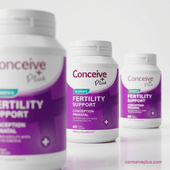
Taking a standard prenatal multivitamin is a good start, but it isn't always enough when you're actively trying to conceive. Targeted fertility supplements are designed to optimize the cellular environment for both the egg and sperm. If you're wondering how can i increase fertility, you should look at the 90 day window. Both sperm and eggs take approximately three months to mature. This means the supplements you take today will impact the quality of your conception attempts three months from now. Starting a regimen early ensures that your body has the necessary nutrients stored and ready for the moment of fertilization.
In early 2026, the introduction of the Dietary Supplement Regulatory Uniformity Act brought more clarity to the industry. This regulation helps ensure that the supplements you choose meet higher national standards for safety and transparency. When choosing a product, look for formulas that go beyond basic nutrition. You want ingredients that specifically target hormonal balance, egg quality, and sperm DNA integrity. This proactive approach turns a general health habit into a specific strategy for reproductive success.
Essential Vitamins for Women
Myo-Inositol is a standout ingredient for women in 2026. It helps support insulin sensitivity and promotes regular ovulation, which is especially helpful for those managing PCOS. Folic acid remains a non-negotiable requirement to prevent neural tube defects, but many experts now suggest looking for the most bioavailable forms. Additionally, Vitamin D plays a crucial role in supporting ovarian reserve and healthy hormone production. For a deeper dive into these requirements, read our Vitamins to Help You Conceive: A Science-Backed Guide for 2026. These nutrients work together to create a receptive environment for a developing embryo.
Boosting Male Fertility with Antioxidants
Male fertility is often overlooked, yet it accounts for half of the reproductive equation. Antioxidants like Selenium and Zinc are vital for protecting sperm DNA from oxidative stress. Low Zinc levels are directly linked to reduced testosterone production and poor sperm volume. L-Carnitine provides the essential energy sperm need for motility, helping them swim more effectively toward the egg. Exploring best-selling fertility products can help you find a balanced formula that supports both partners simultaneously. By addressing male factors, you significantly improve the overall success rate for the couple. If you are ready to optimize your nutrition, you can shop the full range of fertility support today to get started on your 90 day preparation.
Tracking Your Cycle and Knowing When to Seek Help
If you've spent months wondering how can i increase fertility, it might be time to move away from guesswork. Many people rely on standard calendar apps that assume every woman has a perfect 28-day cycle. In reality, ovulation can shift due to stress, illness, or hormonal changes. Transitioning to data-driven tracking allows you to identify your unique fertile window with precision. Instead of "trying" throughout the month, you can focus your efforts on the days that actually matter.
The most reliable way to predict ovulation is by monitoring Luteinizing Hormone (LH) surges. This hormone spikes 24 to 48 hours before an egg is released. High-sensitivity ovulation tests detect this surge in your urine, giving you a clear green light for intercourse. To confirm that ovulation actually occurred, many people also track their Basal Body Temperature (BBT). A slight rise in temperature after the LH surge confirms the egg has been released. Mastering these tracking methods is one of the most effective answers to the question of how can i increase fertility naturally.
Monitoring cervical mucus is another vital, low-cost tool. As you approach ovulation, your mucus becomes clear, stretchy, and similar to raw egg whites. This specific consistency is designed to help sperm survive the journey through the cervix. By combining these physiological signs with digital tools, you create a comprehensive map of your unique reproductive cycle.
Using Technology to Your Advantage
Modern technology has made tracking more accessible than ever. Start by using an ovulation calculator to establish your baseline data. Once you have a general idea of your cycle length, you can begin using LH test strips to pinpoint your peak days. It's also helpful to use dedicated fertility tracking tools to stay organized. Keeping all your data in one place helps you spot patterns that might otherwise go unnoticed. In 2026, many couples are also utilizing FDA-cleared apps like Natural Cycles to integrate temperature and hormone data into a single, easy-to-read interface.
The "One Year Rule" and Its Exceptions
Knowing when to stop home-based efforts and consult a specialist is just as important as the tracking itself. The standard "one year rule" applies to women under 35 who have been having regular, unprotected intercourse without success. However, if you are 35 or older, the American Society for Reproductive Medicine recommends seeking a consultation after only six months. This shift is due to the natural decline in egg quantity and quality that occurs with age.
There are several red flags that should prompt an earlier visit to a doctor. If you have highly irregular periods, a history of STIs, or known conditions like endometriosis or PCOS, don't wait. Early intervention can save both time and significant financial resources. Given that the average cost of a single IVF cycle in 2026 has reached between $20,000 and $30,000, optimizing your natural fertility first is a smart move. You can read through Conceive Plus reviews to see how other couples managed their journeys and when they decided to seek professional help. Remember, seeking help isn't a sign of failure; it's a proactive step toward your goal of becoming a parent.
Taking the Next Step in Your Fertility Journey
Success in 2026 comes down to a proactive, dual-partner approach. By focusing on the biological foundations, from maintaining an alkaline vaginal environment to prioritizing targeted nutrition for both partners, you're building a stronger foundation for conception. Moving away from calendar guesswork and embracing data-driven tracking gives you the clarity needed to make every cycle count. Taking control of your reproductive health is the most effective way to answer the question of how can i increase fertility while reducing the stress of the unknown.
You don't have to navigate this path alone. Since 2008, millions of couples have trusted our clinically tested, sperm-friendly formulas to support their dreams of parenthood. Our products are recommended by fertility clinics and doctors worldwide because they prioritize the safety and motility of sperm during the most critical moments of your cycle. Shop the Conceive Plus Fertility Collection to Support Your Journey and give your body the specialized support it deserves. Stay positive and stay informed; your future family is worth the effort.
Frequently Asked Questions
How can I increase my fertility naturally in my 30s?
You can naturally improve your chances in your 30s by focusing on egg quality through antioxidant-rich diets and precise cycle tracking. While the U.S. fertility rate dropped in 2025, the rate for women aged 30 to 34 actually saw an increase. If you're asking how can i increase fertility at this age, prioritize consistent sleep patterns and moderate exercise. These habits help regulate hormones like progesterone, which are essential for maintaining a healthy pregnancy.
What foods should I avoid when trying to get pregnant?
You should avoid trans fats, high-mercury fish, and excessive processed sugars that cause insulin spikes. These spikes can interfere with regular ovulation and disrupt your hormonal balance. It's also wise to limit caffeine to less than 200mg per day and avoid unpasteurized cheeses or raw meats. Focusing on whole, unprocessed foods ensures your body isn't fighting inflammation while trying to support a new life.
Can using regular lubricant prevent pregnancy?
Standard lubricants can prevent pregnancy by creating a physical barrier or killing sperm cells directly. Most household lubricants have an acidic pH and high osmolality, which dehydrates sperm and stops them from swimming. If you're trying to conceive, always switch to an FDA-cleared, sperm-friendly lubricant. These products mimic fertile cervical mucus, allowing sperm to move freely through the cervix to reach the egg without being hindered by toxic chemicals.
How long does it take for fertility supplements to work?
It generally takes about three months for fertility supplements to show significant results in your body. This 90-day window is necessary because it's the amount of time required for both eggs and sperm to fully mature. Starting your supplement routine early ensures that the nutrients, such as Myo-Inositol or Zinc, are present during the most critical stages of cellular development. Consistency is the key to seeing a real difference in your outcomes.
Does stress really affect my chances of conceiving?
High levels of chronic stress can absolutely affect your chances by disrupting the communication between your brain and ovaries. When your body produces excess cortisol, it can delay or even prevent ovulation entirely. While everyday stress is normal, finding ways to manage it through techniques like yoga or deep breathing can help stabilize your cycle. Reducing your physiological stress response creates a more receptive internal environment for a successful pregnancy.
Is it possible to increase sperm count and motility quickly?
You can see minor improvements in sperm health within a few weeks by eliminating toxins like tobacco and excessive alcohol. However, a full turnaround in sperm count and motility takes about 90 days to match the natural production cycle. To speed up the process, avoid high heat from hot tubs or laptops and incorporate antioxidants like Vitamin C and Zinc. These changes help protect new sperm as they develop and mature.
What are the first signs that my fertility is improving?
The first signs of improvement often include a more regular menstrual cycle and an increase in fertile-quality cervical mucus. You might notice that your "egg white" mucus becomes more abundant during your fertile window, which is a great sign of hormonal balance. If you're wondering how can i increase fertility and know it's working, look for clearer LH surges on your ovulation tests. These physical cues suggest that your reproductive system is responding well to lifestyle changes.
Should I take prenatal vitamins even if I am not pregnant yet?
You should start taking prenatal vitamins at least three months before you begin trying to conceive. Folic acid is the most critical ingredient to have in your system early, as it prevents neural tube defects that occur in the first weeks of pregnancy. Taking these vitamins early also helps build up your body's stores of Vitamin D and Iron. This preparation ensures your body is fully equipped to support a healthy pregnancy from day one.