How Do You Track Ovulation and Find the Best Time to Conceive

Figuring out how do you track ovulation can feel overwhelming at first, especially if you're new to trying to conceive (TTC). But knowing your ovulation patterns is a powerful way to increase your chances of getting pregnant 35, especially as fertility can decline with age. The truth is, there are only a few days in each cycle when conception is possible. That’s why tracking ovulation is so important—it helps you pinpoint those crucial fertile days. This guide will walk you through all the methods, tips, and even some essential nutrients that can support your journey to parenthood.
Getting to Know Your Menstrual Cycle
To understand how can you track ovulation, it’s important to first get familiar with your menstrual cycle. The cycle is your body’s way of preparing for a potential pregnancy. It starts on the first day of your period and ends the day before your next period begins. While a typical cycle lasts about 28 days, anything between 21 and 35 days is considered normal [1].
Ovulation usually happens about 12 to 16 days before your next period. This is when one of your ovaries releases a mature egg, which then travels down the fallopian tube, waiting to meet sperm for fertilization. If fertilization doesn’t happen, the egg disintegrates, and the uterine lining sheds during your period [2].
Your cycle has three key phases:
- The follicular phase, where the body prepares for ovulation.
- The ovulation phase, which is the release of the egg (this is the most fertile time).
- The luteal phase, which prepares the uterus for possible implantation.
Knowing how your cycle works helps you figure out how to track your ovulation more effectively.

Physical Signs That Show You’re Ovulating
Your body gives off natural signs when you’re ovulating, and learning to notice these can help you predict your fertile window. One major sign is changes in your cervical mucus. Around ovulation, cervical mucus becomes clear, slippery, and stretchy—like raw egg whites. This type of mucus helps sperm swim more easily toward the egg.
Another common sign is a slight increase in your basal body temperature (BBT). After ovulation, BBT rises by about 0.5 to 1 degree Fahrenheit due to hormonal shifts. Tracking your temperature each morning before you get out of bed can help you confirm ovulation.
Some women feel a mild cramp or twinge of pain in their lower abdomen during ovulation. This is called mittelschmerz, and it happens on the side where the ovary is releasing the egg. Increased libido, breast tenderness, or even a heightened sense of smell can also signal ovulation [3].
Paying attention to these signs can make it easier to learn how to track your ovulation period.
Using the Calendar Method to Predict Ovulation
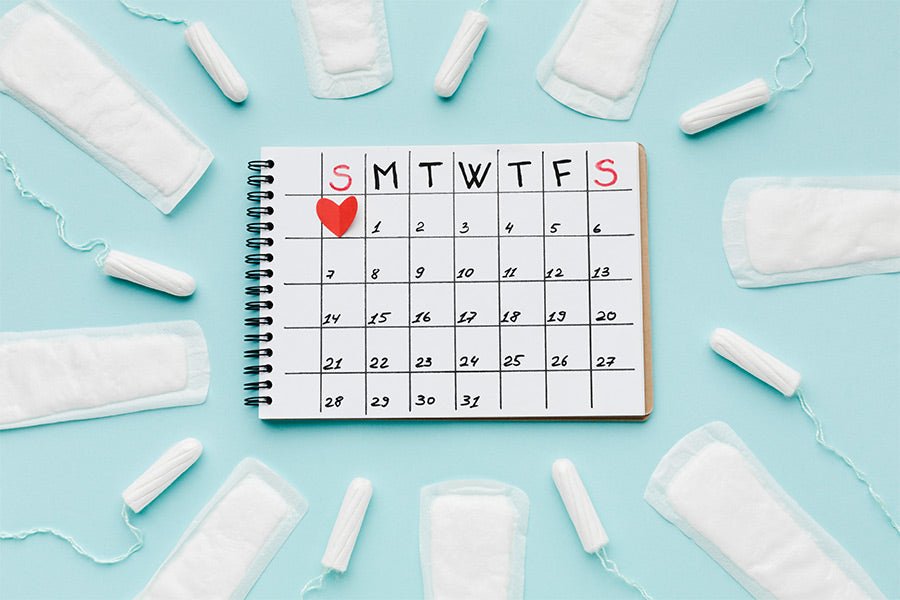
The calendar method is one of the simplest ways to estimate ovulation. By tracking your period over several months, you can figure out patterns and calculate when you’re likely to ovulate. For instance, if your cycle is 28 days long, ovulation usually happens around day 14.
Here’s how it works: First, track the start of your period for at least three to six cycles. Once you know your average cycle length, subtract 14 days from the total number of days in your cycle to estimate your ovulation day.
For example, if your cycle lasts 30 days, ovulation might occur around day 16. Keep in mind that this method works best for women with regular cycles. If your cycle length varies, you may need to combine this method with others to get more accurate results [4].
Basal Body Temperature Tracking
Tracking your basal body temperature (BBT) is another method to learn how do you track ovulation. Your BBT is your body’s lowest resting temperature, and it changes slightly throughout your cycle. Before ovulation, your BBT stays relatively consistent. After ovulation, it rises slightly and stays elevated until your next period.
To use this method, take your temperature every morning as soon as you wake up, before doing anything else—even before getting out of bed. Use a basal thermometer, which is more sensitive than a regular one, to detect small changes. Over time, you’ll notice a pattern: a slight dip in temperature followed by a sustained rise indicates ovulation.
While this method is great for confirming ovulation, it’s not as useful for predicting it in advance. However, when used over a few months, it can help you understand your cycle better [5].
Using Ovulation Predictor Kits
If you’re looking for the best way to track ovulation, ovulation predictor kits (OPKs) are a reliable option. These kits work like home pregnancy tests but detect luteinizing hormone (LH) in your urine. LH surges about 24 to 36 hours before ovulation, so a positive test result means ovulation is imminent.
OPKs are especially helpful for women with irregular cycles or those who struggle to identify physical signs of ovulation. To get the best results, start testing a few days before you think you’ll ovulate. Test at the same time each day and follow the instructions carefully [6].

Observing Cervical Mucus
Cervical mucus changes are one of the most natural indicators of ovulation. Throughout your cycle, the consistency of your mucus varies. As ovulation approaches, it becomes clear, stretchy, and slippery, which helps sperm swim toward the egg.

✨ Trying to Conceive?
Our Ovulation & Fertility Bundle combines Myo-Inositol with essential vitamins to support healthy hormone balance and regular ovulation.
Shop Now — $55.00✓ Free shipping on orders over $40 | ✓ Trusted by millions of couples worldwide
To use this method, check your mucus daily by wiping with clean toilet paper or observing mucus on your underwear. Chart the changes to recognize patterns over time. This method can be very effective when combined with others, like OPKs or BBT tracking [7].
Fertility-Boosting Nutrients
Certain nutrients can support fertility and improve ovulation health. Folic acid is essential for egg quality and is known to reduce the risk of neural tube defects in pregnancy. Myo-inositol and d-chiro-inositol are particularly helpful for women with polycystic ovary syndrome (PCOS), as they promote hormonal balance and regular ovulation.
Another key nutrient is CoQ10, a powerful antioxidant that protects eggs from oxidative damage. L-arginine improves blood flow to the reproductive organs, supporting ovulation and uterine health. Including these nutrients in your diet or taking them as fertility supplements can enhance your fertility journey [8].
What About Irregular Cycles?
Tracking ovulation can be trickier if you have irregular cycles, but it’s not impossible. Irregular periods are often caused by stress, hormonal imbalances, or conditions like PCOS. If this is the case, combining methods—such as OPKs, BBT tracking, and cervical mucus observation—can give you a clearer picture.
If irregular cycles persist or you’re unable to track ovulation effectively, consult a healthcare provider. They can help identify the root cause and recommend treatments or lifestyle changes to regulate your cycle [9].
Lifestyle Changes to Boost Fertility
Sometimes, small lifestyle adjustments can make a big difference. Maintaining a healthy weight is one of the most important steps. Being underweight or overweight can disrupt hormonal balance and interfere with ovulation.
Regular exercise is also helpful, but don’t overdo it. Intense physical activity can have the opposite effect and harm fertility. Limiting caffeine and alcohol can further improve reproductive health. But does alcohol affect ovulation test results? While moderate alcohol consumption is unlikely to interfere directly with the test's accuracy, excessive alcohol can disrupt your hormones, potentially affecting ovulation itself. And if you smoke, quitting is crucial—it’s known to damage eggs and reduce fertility.
Adopting a balanced diet rich in whole foods, lean proteins, and healthy fats can support your reproductive system. These changes may not only improve your health but also make it easier to track ovulation [10].

Advanced Tools for Ovulation Tracking
Today’s technology makes it easier than ever to figure out how to track your ovulation. Fertility apps, wearable devices, and digital tools can monitor everything from your basal body temperature to your heart rate. These tools are especially useful for women who prefer a more data-driven approach.
For example, some wearable devices track multiple factors, like sleep patterns and resting pulse rates, to predict your fertile window. Many apps also offer personalized insights based on your cycle data [11].
When to Seek Professional Help
If you’ve been trying to conceive for over a year without success (or six months if you’re over 35), it might be time to see a fertility specialist. They can evaluate your ovulation patterns, hormone levels, and overall reproductive health to identify any issues.
Conditions like PCOS, endometriosis, or blocked fallopian tubes can affect fertility, but early diagnosis and treatment can make a big difference. Don’t hesitate to seek professional help if you feel stuck or unsure about your next steps [12].
The Bottom Line
Figuring out how do you track ovulation is one of the most empowering things you can do when trying to conceive. By using tools like OPKs, tracking your basal body temperature, and observing cervical mucus, you can identify your fertile window with confidence. Adding fertility-boosting nutrients and making healthy lifestyle changes can further support your efforts.
Whether you’re just starting your TTC journey or looking for more advanced techniques, understanding how can you track ovulation is key to maximizing your chances of success.
FAQs
What is the best way to track ovulation?
The best way to track ovulation depends on your preferences and cycle regularity. Many women find a combination of OPKs, BBT tracking, and cervical mucus observation to be the most effective.
Can I track ovulation with irregular periods?
Yes, but it might require more effort. Combining methods like OPKs and cervical mucus monitoring works well, and consulting a doctor is helpful for addressing irregular cycles.
How long after ovulation can I conceive?
The egg remains viable for 12 to 24 hours after ovulation. However, since sperm can survive up to five days, your fertile window includes the days leading up to ovulation.
Are ovulation kits reliable?
Yes, ovulation predictor kits are highly accurate for detecting LH surges. However, they may not work as well for women with hormonal imbalances like PCOS.
When should I see a doctor about tracking ovulation?
If you’ve been trying to conceive for over a year (or six months if over 35), or if your cycles are very irregular, consulting a fertility specialist is a good idea.
Citations
- Attia, G. M., Alharbi, O. A., & Aljohani, R. M. (2023). The Impact of Irregular Menstruation on Health: A Review of the Literature. Cureus. Available at: https://pmc.ncbi.nlm.nih.gov/articles/PMC10733621/
- Taylor, H. S., Pal, L., & Seli, E. (2020). Speroff's clinical gynecologic endocrinology and infertility, 9e. Lippincott Williams & Wilkins, a Wolters Kluwer business. Available at: https://obgyn.lwwhealthlibrary.com/book.aspx?bookid=2698
- Stanford, J. B., White, G. L., & Hatasaka, H. (2002). Timing intercourse to achieve pregnancy: current evidence. Obstetrics and gynecology. Available at: https://pubmed.ncbi.nlm.nih.gov/12468181/
- Brown J. B. (2011). Types of ovarian activity in women and their significance: the continuum (a reinterpretation of early findings). Human reproduction update. Available at: https://pmc.ncbi.nlm.nih.gov/articles/PMC3039221/
- Duane, M., Stanford, J. B., Porucznik, C. A., & Vigil, P. (2022). Fertility Awareness-Based Methods for Women's Health and Family Planning. Frontiers in medicine. Available at: https://pmc.ncbi.nlm.nih.gov/articles/PMC9171018/
- Wilcox, A. J., Weinberg, C. R., & Baird, D. D. (1995). Timing of sexual intercourse in relation to ovulation. Effects on the probability of conception, survival of the pregnancy, and sex of the baby. The New England journal of medicine. Available at: https://pubmed.ncbi.nlm.nih.gov/7477165/
- Ecochard, R., Duterque, O., Leiva, R., Bouchard, T., & Vigil, P. (2015). Self-identification of the clinical fertile window and the ovulation period. Fertility and sterility. Available at: https://pubmed.ncbi.nlm.nih.gov/25724738/
- Mateo, R. D., Wu, G., Bazer, F. W., Park, J. C., Shinzato, I., & Kim, S. W. (2007). Dietary L-arginine supplementation enhances the reproductive performance of gilts. The Journal of nutrition. Available at: https://pubmed.ncbi.nlm.nih.gov/17311955/
- Chavarro, J. E., Rich-Edwards, J. W., Rosner, B. A., & Willett, W. C. (2007). Diet and lifestyle in the prevention of ovulatory disorder infertility. Obstetrics and gynecology. Available at: https://pubmed.ncbi.nlm.nih.gov/17978119/
- Agarwal, A., Gupta, S., & Sharma, R. K. (2005). Role of oxidative stress in female reproduction. Reproductive biology and endocrinology. Available at: https://pubmed.ncbi.nlm.nih.gov/16018814/
- Blackwell, L., Cooke, D., & Brown, S. (2018). Self-Monitoring of Fertility Hormones: A New Era for Natural Family Planning?. The Linacre quarterly. Available at: https://pmc.ncbi.nlm.nih.gov/articles/PMC6027114/
- Homburg R. (2005). Clomiphene citrate--end of an era? A mini-review. Human reproduction (Oxford, England). Available at: https://pubmed.ncbi.nlm.nih.gov/15878925/
🌱 Support Your Fertility Journey
Conceive Plus fertility supplements are clinically formulated to help regulate your cycle and support egg quality.
Shop Fertility Support →Frequently Asked Questions
Recommended by Fertility Experts
Conceive Plus Men's Fertility Support
Designed to support healthy sperm production, motility, and overall male reproductive health with clinically studied nutrients.
Shop Now →Q: What are the most accurate ways to track ovulation?
A: The most reliable ovulation tracking methods include basal body temperature (BBT) charting, ovulation predictor kits (OPKs), and cervical mucus monitoring—all recommended by the American Society for Reproductive Medicine (ASRM). Ovulation predictor kits are approximately 99% accurate at detecting the LH surge that precedes ovulation within 24-36 hours, making them one of the most popular methods among US consumers trying to conceive. For best results, many fertility experts recommend combining multiple tracking methods, as this increases accuracy and helps identify your fertile window—typically the five days before ovulation and the day of ovulation itself. Wearable fertility trackers and period apps can also support these methods by helping you identify patterns in your cycle over time.
Q: How many days before ovulation is the best time to have intercourse?
A: Research shows that the highest pregnancy rates occur when intercourse happens in the two days before ovulation and on the day of ovulation itself, according to studies published in the New England Journal of Medicine. However, sperm can survive for up to five days in the female reproductive tract, which is why the entire fertile window spans about six days total. The absolute best time is typically 24-48 hours before ovulation, when sperm are already in position to meet the egg. To maximize your chances, the ASRM recommends having intercourse every other day during your fertile window, which helps ensure good sperm count while covering the optimal conception window.
Q: How long is the fertile window each month?
A: Your fertile window typically lasts about six days during each menstrual cycle—the five days before ovulation plus the day of ovulation itself. However, this window can vary depending on individual cycle length and ovulation timing; for example, women with irregular cycles may have a longer or less predictable fertile window. Most women ovulate around day 14 of a 28-day cycle, but this can range anywhere from day 11 to day 21 depending on personal factors like age, health, and hormonal fluctuations. Understanding your unique cycle length and ovulation patterns is why tracking methods like basal body temperature and ovulation predictor kits are so valuable for US consumers trying to conceive.
Q: Can you get pregnant before ovulation occurs?
A: Yes, you can get pregnant from intercourse before ovulation occurs because sperm can survive in the female reproductive tract for up to five days, waiting for the egg to be released. This is why the fertile window includes the five days leading up to ovulation, not just the day of ovulation itself—sperm deposited during this time can fertilize an egg once it's released. However, pregnancy cannot occur from intercourse after ovulation, since the egg typically survives for only 12-24 hours after being released. This is one reason why tracking ovulation and timing intercourse in the days before ovulation—rather than waiting for confirmation that ovulation has already happened—can improve your chances of conception.
Q: What role do nutrients play in supporting healthy ovulation and fertility?
A: Research from the Harvard School of Public Health and other institutions shows that certain nutrients—including coenzyme Q10 (CoQ10), L-arginine, and zinc—play important roles in egg quality and reproductive health. Studies indicate that women with adequate levels of antioxidants and amino acids tend to have better ovulation patterns and higher fertility outcomes compared to those with nutritional deficiencies. Many fertility specialists recommend that women trying to conceive focus on a nutrient-dense diet, and some turn to fertility supplements like Conceive Plus to ensure they're getting key ingredients that support reproductive function. Combined with proper ovulation tracking and healthy lifestyle habits, nutritional support can be a valuable component of a comprehensive fertility strategy.
Trusted by Couples in Over 70 Countries
Support Male Fertility From the Inside Out
Male fertility is just as important as female fertility in the conception journey. Conceive Plus Men's range delivers targeted nutritional support to promote healthy sperm and overall reproductive wellbeing.
Shop Men's Range →