How to Boost Fertility in Your 30s and Increase Conception Chances


Getting started on a family in your 30s can feel confusing and sometimes overwhelming. You might be wondering how to boost fertility in your 30s and feel a little lost in all the advice out there. This guide shares a mix of ideas and tips that can help you on your journey to parenthood. We’ll cover everything from nutrition and exercise to stress management and key nutrients.
Why Age Matters for Fertility
Age is a major factor in how your body works. Women are born with all the eggs they will ever have, and as time goes by, the number and quality of these eggs gradually decline [1]. Men, on the other hand, produce sperm continuously, but factors like stress, diet, and lifestyle can affect their quality too. As you get older, your body might not work exactly as it did in your twenties, and understanding pregnancy risk by age becomes crucial for making informed reproductive choices.

Knowing these changes can help you make small adjustments. You might start tracking your menstrual cycle or keeping a simple diary about your mood and energy. Even a small note here and there can add up to something useful. Over time, noticing these little details can guide you toward better decisions when planning for a baby.
Top Tip: Write down the start and end dates of your period. Even a simple calendar note can prove helpful later.
Focus on Balanced Nutrition
Your diet plays a big role in your fertility. A balanced meal plan with lean proteins, whole grains, fruits, and vegetables fuels your body and provides essential vitamins and minerals. These nutrients help keep your cells healthy and your hormones balanced [2].
For example, Vitamin C is good for your immune system and helps protect your reproductive cells. Vitamin E works alongside Vitamin C to shield cells from damage. The B vitamins help with energy and hormone regulation, while folic acid, an important B vitamin, is crucial for reducing the risk of neural tube defects. Iron and calcium also support a strong and healthy body [3].
Sometimes, simply adding a piece of fruit to your breakfast or extra veggies to your dinner can make a difference. You might even consider a basic supplement if you’re not getting enough from your diet. These aren’t miracle cures, but over time they can build a strong foundation for your health.
Top Tip: Include a variety of colorful fruits and vegetables in your meals. A small change like that can boost your nutrient intake.
Maintain a Supportive Body Weight
Your weight can influence your fertility more than you might think. Being too heavy or too light can upset your hormone balance, affecting your menstrual cycle and ovulation. The key is finding a weight that makes you feel healthy and energetic without strict dieting.
A balanced diet combined with regular activity is the best approach. Even a short daily walk or a bit of gentle yoga can help. Exercise not only helps with weight management but also improves blood flow and reduces stress [4]. When you’re active, your body tends to function better overall, including in your reproductive system.
Top Tip: Aim for about 30 minutes of light exercise daily. Whether it’s a brisk walk or gentle yoga, consistency is what counts.
Manage Everyday Stress
Stress can significantly impact your fertility. High stress levels may mess with your hormones and even affect ovulation [5]. Finding ways to manage stress is essential. Sometimes, a deep breath or a short walk can work wonders; other times, you might need to set aside quiet time to read or simply relax.
The key is to discover what works best for you. Regular stress relief helps create a calmer environment in your body, which is beneficial when you’re trying to conceive. Lower stress levels can lead to more balanced hormones, and that balance often makes everything else a bit smoother.
Top Tip: Set aside five to ten minutes each day for an activity that relaxes you, like listening to music or enjoying a quiet moment with a cup of tea.

Strengthen Fertility Through Key Nutrients
Certain nutrients seem to play a special role in supporting fertility. Ingredients like Myo-Inositol and D-Chiro Inositol work together to support hormonal balance and promote regular ovulation. These can be particularly useful if your cycles are irregular or if you have conditions like PCOS.
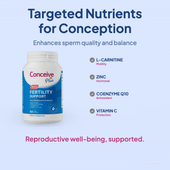
Another important nutrient is Coenzyme Q10 (CoQ10), which helps with energy production at a cellular level and supports the quality of eggs. Nutrients like L-Arginine improve blood flow, while Taurine helps protect your cells from stress. Zinc and Selenium are known for supporting healthy sperm and balancing hormones in women [6].

✨ Trying to Conceive?
Our Ovulation & Fertility Bundle combines Myo-Inositol with essential vitamins to support healthy hormone balance and regular ovulation.
Shop Now — $55.00✓ Free shipping on orders over $40 | ✓ Trusted by millions of couples worldwide
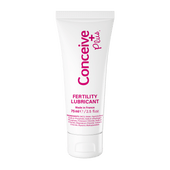
Calcium and magnesium, too, are not only good for bones—they help with cell function and communication [7]. Some couples even find that using a fertility-friendly lubricant containing these ions helps ease discomfort during intimacy and supports sperm health.
Top Tip: If you suspect your diet is missing these key nutrients, consider speaking with a healthcare provider about a supplement that includes Myo-Inositol, CoQ10, and other supportive ingredients.
Look at Hormonal Balance and Ovulation
Understanding your hormonal cycle is vital. Hormones like estrogen, progesterone, and luteinizing hormone (LH) guide your menstrual cycle and trigger ovulation—the moment when an egg is released and can be fertilized [8]. Keeping track of your cycle can help you determine your most fertile days.
Many women notice that their cycles change as they age. It might be confusing at times, but tracking these changes can give you a better idea of when to try for a baby. Whether you use an ovulation predictor kit, monitor your basal body temperature, or simply jot down your cycle dates, knowing your body helps you plan better. If you're thinking, "I want a baby," understanding these changes is an essential first step.
Top Tip: Use a fertility app or a simple paper calendar to record your cycle. Over time, patterns will emerge that can help you plan your most fertile days.
Prioritize Male Fertility Health
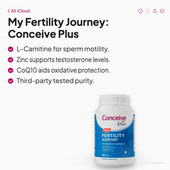
Fertility is a joint effort. Male fertility is just as important as female fertility. Men can support their reproductive health by making a few lifestyle changes. Simple adjustments like switching to looser underwear, avoiding hot tubs, and reducing alcohol can improve sperm quality. Nutrients like L-Carnitine, Zinc, and Selenium play a key role in supporting healthy sperm [9].
Sometimes, small changes in diet and lifestyle can yield significant improvements. Men should aim to eat a balanced diet, get enough sleep, and manage stress just as women do. Working together on these changes not only boosts your chances but also strengthens your bond as a couple.
Top Tip: Talk with your partner about small lifestyle tweaks that you can both adopt. A joint effort often makes the journey more manageable.
Adopt Gentle Lifestyle Adjustments
Everyday habits can have a lasting impact on your fertility. Simple lifestyle adjustments, like cutting back on alcohol and caffeine, can help maintain hormonal balance. While a morning coffee is fine, reducing overall caffeine intake might be beneficial if you’re trying to conceive.
Being mindful of the chemicals you come in contact with is also important. Avoiding unnecessary exposure to harmful substances, whether in plastics or household products, can support your hormonal health. And don’t forget about sleep—a consistent sleep schedule helps regulate your body’s rhythms and repair itself [10].
Even small changes can add up. Over time, these gentle adjustments can build a healthier environment in your body, making it more ready for conception.
Top Tip: Choose one small habit to adjust each week. Whether it’s reducing caffeine or establishing a regular bedtime, every little bit counts.

The Bottom Line
If you’re looking for how to boost fertility in your 30s, remember that it’s all about taking small, manageable steps. From focusing on balanced nutrition and maintaining a healthy weight to managing stress and understanding your hormonal cycle, every change matters. The journey to parenthood isn’t always straightforward, and there will be ups and downs. However, by paying attention to both your body and your lifestyle, you can create a more supportive environment for conception.
For anyone seeking tips for getting pregnant at 32, the same principles apply. Both partners need to be mindful of their overall health, from diet to exercise to stress relief. These simple steps, when taken together, may significantly improve your chances of conceiving.
Every little adjustment, whether it’s tracking your cycle or reducing daily stress, moves you closer to your goal. Remember, life isn’t perfect, and the journey isn’t a straight line. Embrace the imperfections and celebrate the small wins along the way.
FAQs
How does age affect fertility?
As you get older, the quality and number of eggs decline, and hormonal shifts can make conception more challenging. Paying attention to these changes is important for planning.
Is moderate exercise beneficial for fertility?
Yes, gentle exercise can help maintain a healthy weight and reduce stress. Overdoing it may disrupt your cycle, so consistency is key.
What role do vitamins play in fertility?
Vitamins like C, E, and the B complex support cell health and hormone balance. Folic acid is crucial for preventing neural tube defects, while iron and calcium help maintain overall strength.
Should men also change their lifestyle to improve fertility?
Absolutely. Simple changes like wearing looser underwear, reducing alcohol, and eating a balanced diet can improve sperm quality and overall reproductive health.
How can I track my fertile days effectively?
You can use a fertility app, keep a paper calendar, or try an ovulation predictor kit. Even noting your cycle on your own can help you understand your body better.
Citations
- Broekmans, F. J., Knauff, E. A., te Velde, E. R., Macklon, N. S., & Fauser, B. C. (2007). Female reproductive ageing: current knowledge and future trends. Trends in endocrinology and metabolism. Available at: https://pubmed.ncbi.nlm.nih.gov/17275321/
- Chavarro, J. E., Rich-Edwards, J. W., Rosner, B. A., & Willett, W. C. (2007). Diet and lifestyle in the prevention of ovulatory disorder infertility. Obstetrics and gynecology. Available at: https://pubmed.ncbi.nlm.nih.gov/17978119/
- Pal, L., & Santoro, N. (2003). Age-related decline in fertility. Endocrinology and metabolism clinics of North America. Available at: https://pubmed.ncbi.nlm.nih.gov/14560893/
- Wise, L. A., Rothman, K. J., Mikkelsen, E. M., Sørensen, H. T., Riis, A., & Hatch, E. E. (2010). An internet-based prospective study of body size and time-to-pregnancy. Human reproduction (Oxford, England). Available at: https://pubmed.ncbi.nlm.nih.gov/19828554/
- Louis, G. M., Lum, K. J., Sundaram, R., Chen, Z., Kim, S., Lynch, C. D., Schisterman, E. F., & Pyper, C. (2011). Stress reduces conception probabilities across the fertile window: evidence in support of relaxation. Fertility and sterility. Available at: https://pubmed.ncbi.nlm.nih.gov/20688324/
- Fallah, A., Mohammad-Hasani, A., & Colagar, A. H. (2018). Zinc is an Essential Element for Male Fertility: A Review of Zn Roles in Men's Health, Germination, Sperm Quality, and Fertilization. Journal of reproduction & infertility. Available at: https://pubmed.ncbi.nlm.nih.gov/30009140/
- Thomas D. (2007). The mineral depletion of foods available to us as a nation (1940-2002)--a review of the 6th Edition of McCance and Widdowson. Nutrition and health. Available at: https://pubmed.ncbi.nlm.nih.gov/18309763/
- Prior J. C. (1998). Perimenopause: the complex endocrinology of the menopausal transition. Endocrine reviews. Available at: https://pubmed.ncbi.nlm.nih.gov/9715373/
- Safarinejad, M. R., & Safarinejad, S. (2009). Efficacy of selenium and/or N-acetyl-cysteine for improving semen parameters in infertile men: a double-blind, placebo controlled, randomized study. The Journal of urology. Available at: https://pubmed.ncbi.nlm.nih.gov/19091331/
- Kloss, J. D., Perlis, M. L., Zamzow, J. A., Culnan, E. J., & Gracia, C. R. (2015). Sleep, sleep disturbance, and fertility in women. Sleep medicine reviews. Available at: https://pubmed.ncbi.nlm.nih.gov/25458772/
🌱 Support Your Fertility Journey
Conceive Plus fertility supplements are clinically formulated to help regulate your cycle and support egg quality.
Shop Fertility Support →Frequently Asked Questions
Recommended by Fertility Experts
Conceive Plus Men's Fertility Support
Designed to support healthy sperm production, motility, and overall male reproductive health with clinically studied nutrients.
Shop Now →Q: How to boost fertility in your 30s naturally?
A: Boosting fertility naturally in your 30s involves a multi-faceted approach focused on lifestyle and nutrition. The American Society for Reproductive Medicine (ASRM) recommends maintaining a healthy BMI, as both underweight and overweight conditions can negatively impact ovulation and sperm production. Key natural strategies include eating antioxidant-rich foods, getting regular moderate exercise (150 minutes per week), managing stress through meditation or yoga, limiting caffeine to under 200mg daily, and avoiding smoking and excessive alcohol. Additionally, supplementing with fertility-supporting nutrients like CoQ10, folate, and zinc—found in products like Conceive Plus Fertility Support—can help optimize reproductive health during this critical decade.
Q: What is the best age to get pregnant?
A: Fertility peaks in the late 20s and early 30s, with women experiencing the highest conception rates before age 30. However, women in their 30s can absolutely conceive successfully—according to CDC data, about 20-25% of couples where the woman is in her early 30s will conceive naturally each cycle. Fertility does begin to decline more noticeably after age 35, with egg quality and quantity decreasing gradually. Men's fertility also declines with age, though more gradually than women's. The bottom line is that while your 30s are still a very fertile time, optimizing your health through nutrition, exercise, and appropriate supplementation can help maximize your conception chances during this window.
Q: Can supplements help with fertility in your 30s?
A: Yes, certain supplements can support fertility when combined with healthy lifestyle practices. Research published in reproductive medicine journals shows that specific nutrients—including CoQ10, vitamin D, folate, and zinc—play important roles in egg quality, sperm health, and hormonal balance. The FDA doesn't regulate supplements as strictly as medications, so it's important to choose products from reputable brands that third-party test their formulations. Many fertility specialists recommend supplements like Conceive Plus, which are specifically formulated with evidence-based nutrients to support reproductive health. Always consult with your healthcare provider before starting any supplement regimen to ensure it aligns with your individual health needs and any medications you may be taking.
Q: How does age affect male fertility in the 30s?
A: While men don't experience the same dramatic fertility decline as women in their 30s, age does affect male reproductive health. Studies show that sperm quality—including motility, morphology, and DNA integrity—can gradually decline starting in the mid-30s, with more noticeable changes after age 40. Men in their 30s can support fertility through lifestyle factors including regular exercise, maintaining a healthy weight, avoiding smoking and excessive heat exposure to the testicles, managing stress, and eating a nutrient-rich diet. Antioxidant-rich foods and supplements containing zinc, selenium, and CoQ10 may help protect sperm health. Couples where both partners optimize their health tend to have better conception outcomes, regardless of age.
Q: How long does it typically take to get pregnant in your 30s?
A: According to ASRM guidelines, about 85% of women in their 30s who have regular unprotected intercourse will conceive within one year, with conception most likely occurring within the first 3-6 months. However, conception timelines vary significantly based on individual factors including overall health, fertility status, frequency of intercourse, and whether couples time intercourse during the fertile window. Women in their early 30s typically have slightly shorter conception timelines than those in their late 30s. If you've been trying for 12 months (or 6 months if you're over 35), it's recommended to consult a fertility specialist for evaluation. Optimizing health through proper nutrition, stress management, and appropriate supplementation during this waiting period can support your body's natural conception ability.
Trusted by Couples in Over 70 Countries
Support Male Fertility From the Inside Out
Male fertility is just as important as female fertility in the conception journey. Conceive Plus Men's range delivers targeted nutritional support to promote healthy sperm and overall reproductive wellbeing.
Shop Men's Range →