What Are the Best Hypospermia Treatment Options Available


Hypospermia, where a guy produces less than 1.5 mL of semen during ejaculation, can affect your ability to have kids. But, it doesn’t always mean you’re infertile. Still, it can make getting pregnant harder. Knowing what causes this and finding the right hypospermia treatment is important for couples trying to conceive.

Causes of Hypospermia
There’s a few things that can cause hypospermia. Sometimes it’s hormonal, like low testosterone. That can mess with semen production. Other times, it’s due to blockages in the reproductive system that stop semen from coming out fully. As men age, semen volume naturally goes down. Medications? Yup, those can also be a culprit—especially meds for prostate issues or high blood pressure. Figuring out what’s causing it is the first step toward the right treatment of hypospermia.
If you're wondering does masturbation cause low sperm count, it's important to note that occasional masturbation doesn't have a significant impact on sperm count, but excessive masturbation can potentially affect semen volume and overall fertility.
Medical and Surgical Treatments
Depending on the cause, a few options might help with treatment of hypospermia:
- Hormone therapy: If it’s low testosterone causing the issue, hormone therapy can balance things out [1].
- Surgery: If there’s a blockage, surgery can help remove it and restore normal semen flow [2].
- Medication adjustments: If medications are the problem, changing them could improve semen volume [3].
Always best to chat with a doctor, they’ll help guide you to the right solution for your specific case.

Nutritional Support for Fertility
Certain nutrients are really important when it comes to semen production. Zinc and selenium, for example, are key for sperm health. They help sperm grow and move properly [4]. Vitamin D is also crucial because it helps regulate hormones [5]. And L-arginine? It’s an amino acid that increases blood flow to the reproductive organs, helping with semen volume [6]. Getting enough of these nutrients, either through food or supplements, can make a big difference in your fertility journey.

✨ Support Healthy Sperm
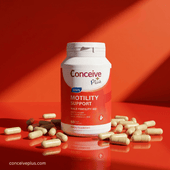
Our Motility Support supplement contains Zinc, CoQ10, and L-Carnitine — clinically studied nutrients for sperm health and motility.
Shop Now — $34.95✓ Free shipping on orders over $40 | ✓ Trusted by millions of couples worldwide
For those looking to improve sperm health and semen quality, understanding how to make my sperm thicker can be an important step in optimizing your reproductive health.
Lifestyle Modifications to Boost Semen Volume
Sometimes, a few simple lifestyle changes can help a lot. Staying hydrated is one of them. Dehydration can lead to lower semen production, so make sure you’re drinking enough water. Exercise? Yep, that’s important too. Regular exercise helps keep hormones balanced and boosts overall reproductive health [7]. Stress is another factor. Too much stress can mess with your hormones and reduce semen volume, so finding ways to relax—whether through yoga, meditation, or just taking it easy—can really help [8].
The Bottom Line
Even though hypospermia can make things a bit tougher when trying to conceive, there are several ways to improve semen volume. Whether it’s hormone therapy, surgery, or just making simple lifestyle changes, these hypospermia treatment options can help. Don’t forget, nutrients like zinc, selenium, and L-arginine are important too. Adding them to your daily routine could improve your chances of conception.

FAQs
Can hypospermia affect fertility?
Yes, lower semen volume can reduce the chances of sperm reaching the egg, but it doesn’t mean you’re infertile.
Is hypospermia treatable with supplements?
Yep, supplements with zinc, selenium, and L-arginine can help boost semen volume and support fertility.
What medical treatments are available for hypospermia?
Depending on the cause, treatments like hormone therapy, surgery, or switching meds can help.
Can stress lower semen volume?
Yes, stress can mess with hormone levels, which might reduce semen production.
What lifestyle changes help with hypospermia?
Staying hydrated, exercising regularly, and managing stress can all help improve semen volume and reproductive health.
Citations
- Bhasin S, Brito JP, Cunningham GR, Hayes FJ, Hodis HN, Matsumoto AM, Snyder PJ, Swerdloff RS, Wu FC, Yialamas MA. Testosterone Therapy in Men With Hypogonadism: An Endocrine Society Clinical Practice Guideline. J Clin Endocrinol Metab. Available at: https://pubmed.ncbi.nlm.nih.gov/29562364/
- Fisch H, Lambert SM, Goluboff ET. Management of ejaculatory duct obstruction: etiology, diagnosis, and treatment. World J Urol. Available at: https://pubmed.ncbi.nlm.nih.gov/17077974/
- Brezina PR, Yunus FN, Zhao Y. Effects of pharmaceutical medications on male fertility. J Reprod Infertil. Available at: https://www.ncbi.nlm.nih.gov/pmc/articles/PMC3719368/
- Colagar AH, Marzony ET, Chaichi MJ. Zinc levels in seminal plasma are associated with sperm quality in fertile and infertile men. Nutr Res. Available at: https://pubmed.ncbi.nlm.nih.gov/19285597/
- Cito G, Cocci A, Micelli E, Gabutti A, Russo GI, Coccia ME, Franco G, Serni S, Carini M, Natali A. Vitamin D and Male Fertility: An Updated Review. World J Mens Health. Available at: https://www.ncbi.nlm.nih.gov/pmc/articles/PMC7076312/
- Tian Y, Zhou Q, Li W, Liu M, Li Q, Chen Q. Efficacy of L-arginine and Pycnogenol ® in the treatment of male erectile dysfunction: a systematic review and meta-analysis. Front Endocrinol (Lausanne). Available at: https://www.ncbi.nlm.nih.gov/pmc/articles/PMC10614297/
- Jóźków P, Mędraś M, Lwow F, Zagrodna A, Słowińska-Lisowska M. Associations between physical activity and semen quality in young healthy men. Fertil Steril. Available at: https://pubmed.ncbi.nlm.nih.gov/27919439/
- Eskiocak, Sevgi & Gozen, Ali & Taskiran, A & Kilic, A.S. & Eskiocak, Muzaffer & Gulen, S. (2006). Effect of psychological stress on the L-arginin-nitric oxide pathway and semen quality. Brazilian journal of medical and biological research. Available at: https://www.researchgate.net/publication/7132218_Effect_of_psychological_stress_on_the_L-arginin-nitric_oxide_pathway_and_semen_quality
🌱 Boost Male Fertility Naturally
Conceive Plus Men's Motility Support is formulated with the nutrients that matter most for sperm quality, count, and motility.
Shop Men's Fertility →Frequently Asked Questions
Recommended by Fertility Experts
Conceive Plus Men's Fertility Support
Designed to support healthy sperm production, motility, and overall male reproductive health with clinically studied nutrients.
Shop Now →Q: Can hypospermia be cured?
A: Yes, hypospermia can often be cured or significantly improved depending on the underlying cause. If low testosterone is the culprit, hormone replacement therapy prescribed by a urologist can increase semen volume within 3-6 months. For cases caused by blockages or infections, surgical interventions or antibiotics may restore normal semen production. However, success rates vary—according to the American Society for Reproductive Medicine (ASRM), approximately 50-70% of men with treatable causes see improvement in semen volume. Working with a fertility specialist to identify the root cause is essential for determining whether your hypospermia is reversible.
Q: Can you get pregnant with hypospermia?
A: Yes, pregnancy is absolutely possible with hypospermia, though it may take longer to conceive naturally. What matters most is sperm count and motility, not volume alone—a man can have low semen volume but still produce healthy, mobile sperm capable of fertilization. Studies show that men with hypospermia have roughly a 40-50% chance of achieving natural pregnancy within one year, compared to 85% for men with normal semen volume. For couples struggling to conceive, fertility treatments like intrauterine insemination (IUI) or in vitro fertilization (IVF) can significantly improve success rates. Additionally, optimizing male fertility through lifestyle changes and supplements like Conceive Plus can support sperm health and increase conception chances.
Q: How to treat hypospermia naturally?
A: Several natural approaches can help improve semen volume before pursuing medical interventions. Increasing hydration, maintaining a healthy BMI, reducing stress, and getting adequate sleep are foundational steps supported by fertility research—dehydration alone can reduce semen volume by up to 23%. Dietary changes including zinc-rich foods (oysters, pumpkin seeds), L-arginine, and antioxidant-rich fruits and vegetables support reproductive health. Many men also benefit from male fertility supplements formulated with clinically studied ingredients; Conceive Plus for Men, for example, is designed to support healthy semen volume and sperm function. Regular exercise (30 minutes, 5 days weekly) and limiting heat exposure to the testicles can also improve semen production, though results typically appear within 2-3 months.
Q: Is hypospermia treatable?
A: Hypospermia is highly treatable in most cases, with success depending on identifying and addressing the root cause. Common treatable causes include hormonal imbalances (testosterone deficiency), infections, dehydration, and ejaculatory duct obstruction—all of which respond well to targeted medical or lifestyle interventions. The American Urological Association reports that 60-80% of men with identifiable causes experience improvement in semen volume with appropriate treatment. Initial steps typically include a semen analysis, hormone panel, and urological evaluation to pinpoint the problem. Once diagnosed, a combination of medical treatment, lifestyle modifications, and fertility support—such as male fertility supplements—can restore semen volume and improve your chances of conceiving.
Q: How to fix hypospermia at home?
A: You can implement several evidence-based home strategies to improve semen volume without immediate medical intervention. Start with lifestyle modifications: drink more water (aim for 3+ liters daily), avoid hot baths and tight underwear, exercise regularly, manage stress through meditation or yoga, and ensure 7-9 hours of quality sleep nightly. Nutritional changes matter too—consume foods high in zinc, selenium, and vitamin C, which are critical for semen production and sperm health. Many men see measurable improvements within 8-12 weeks by combining these approaches with a high-quality male fertility supplement containing proven ingredients. If home remedies don't improve your semen volume after three months, schedule an appointment with a urologist or reproductive endocrinologist to rule out hormonal imbalances or structural issues requiring professional treatment.
Trusted by Couples in Over 70 Countries
Support Male Fertility From the Inside Out
Male fertility is just as important as female fertility in the conception journey. Conceive Plus Men's range delivers targeted nutritional support to promote healthy sperm and overall reproductive wellbeing.
Shop Men's Range →