Inositol and Metformin: A Thoughtful Approach to Balancing Health
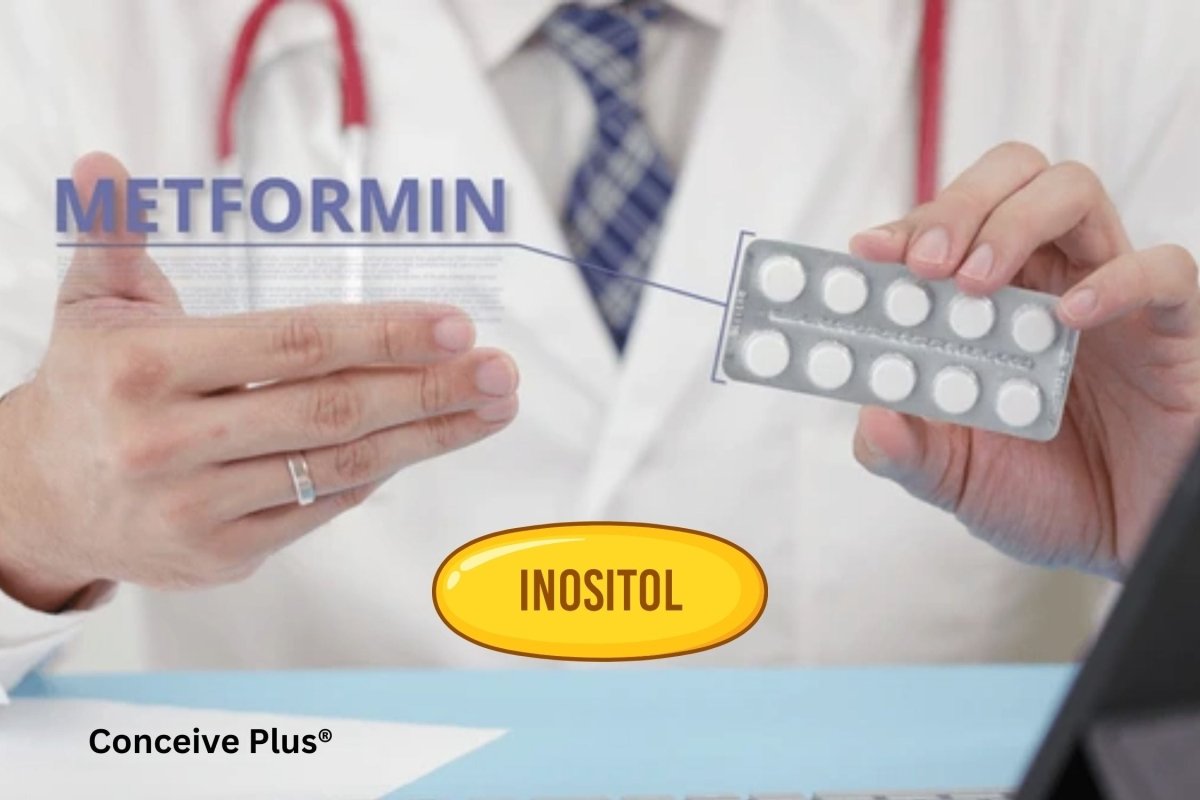

Inositol and metformin often appear together in discussions about metabolic balance and overall well-being. Whether individuals are exploring natural supplements or established pharmaceutical options, both substances can play distinct yet complementary roles in supporting healthy glucose metabolism and hormonal function. Many people seek guidance on how these agents might fit into a broader wellness plan, particularly if they are aiming to address concerns related to insulin sensitivity or reproductive health. By understanding their mechanisms, benefits, and potential interactions, you can make informed decisions under the guidance of a healthcare professional.

Key Distinctions
In comparing inositol vs metformin, it helps to recognize that inositol is a naturally occurring sugar alcohol found in various foods, whereas metformin is a prescription medication commonly used to help regulate blood sugar. Although both can support healthier metabolic function, they do so through different processes. Inositol often serves as a supplement to promote hormonal balance, especially in contexts where insulin plays a role. Metformin, on the other hand, is specifically designed to reduce glucose production in the liver and enhance insulin sensitivity in the body [1].
For additional details on how various inositol types support your overall metabolic balance, consider reading our guide to the most important inositol types for health.
Mechanisms at Work
Inositol influences cellular signaling pathways associated with insulin. By supporting communication between hormones and receptors, it may contribute to balanced metabolic responses. Meanwhile, metformin lowers hepatic glucose output and increases peripheral tissue sensitivity to insulin. This dual approach helps stabilize blood sugar levels, reducing excess circulation of glucose. Although each agent targets insulin functionality, the pathways differ enough that combining them might provide complementary benefits. Still, such a strategy should be guided by professional advice to ensure that dosage, timing, and overall health factors are considered.
Potential Advantages
Some individuals seek inositol for hormone balance, especially in circumstances that involve metabolic or reproductive factors. Metformin remains a standard option for those who need assistance controlling blood sugar fluctuations. Though separate in origin, both might bolster energy levels and promote healthier weight trends when used appropriately. In addition, they can support stable insulin action and help reduce some undesirable symptoms linked to metabolic challenges. The degree of improvement differs among individuals, making personalized evaluation crucial. Careful integration under professional supervision can yield promising outcomes for select cases and consistency [2].

✨ Trying to Conceive?
Our Ovulation & Fertility Bundle combines Myo-Inositol with essential vitamins to support healthy hormone balance and regular ovulation.
Shop Now — $55.00✓ Free shipping on orders over $40 | ✓ Trusted by millions of couples worldwide

Guidance on Usage
Incorporating either compound should involve a discussion with a qualified healthcare professional. Dosing for inositol may range from small daily amounts to more substantial servings, depending on individual needs. Metformin typically follows physician-directed protocols tied to blood glucose monitoring. Even if combining these agents, ongoing evaluation is critical to avoid potential interactions. Monitoring changes in energy, mood, and body composition can help reveal whether adjustments are necessary. Lifestyle factors, such as diet and exercise, can further complement supplementation or medication, reinforcing stable metabolic processes. This fosters safer, more effective outcomes [3].
For more on how myo inositol pcos supports natural hormonal balance, check out our detailed guide "The Myo Inositol PCOS Link: A Natural Tool for Hormonal Regulation."
Lifestyle and Monitoring
Ensuring long-term benefits involves more than taking a supplement or medication. Balanced meals, regular physical activity, and sufficient sleep all enhance insulin function. Periodic blood tests or check-ins can capture changes in glucose tolerance, helping guide any needed adjustments. Staying aware of bodily cues, such as shifts in appetite or energy, supports proactive management. While inositol and metformin may help stabilize metabolic responses, these measures work best when combined with an overall healthy lifestyle. A consistent commitment to wellness ultimately fosters sustainable progress and reduces potential setbacks and improved resilience [4].

The Bottom Line
Inositol and metformin remain prominent considerations for individuals seeking better metabolic and hormonal balance. Although they function differently, both can bring meaningful support when guided by medical expertise and combined with healthy habits. By staying informed, monitoring changes, and making thoughtful adjustments, you can harness the potential benefits of each approach in your own wellness journey for lasting positive outcomes.
References
- Ravn P, Gram F, Andersen MS, Glintborg D. Myoinositol vs. Metformin in Women with Polycystic Ovary Syndrome: A Randomized Controlled Clinical Trial. Metabolites. 2022 Nov 26;12(12):1183. doi: 10.3390/metabo12121183. PMID: 36557221; PMCID: PMC9786218.
- Nazirudeen R, Sridhar S, Priyanka R, Sumathi B, Natarajan V, Subbiah E, Raghavan KS, Sangumani J. A randomized controlled trial comparing myoinositol with metformin versus metformin monotherapy in polycystic ovary syndrome. Clin Endocrinol (Oxf). 2023 Aug;99(2):198-205. doi: 10.1111/cen.14931. Epub 2023 Jun 2. PMID: 37265016.
- Corcoran C, Jacobs TF. Metformin. [Updated 2023 Aug 17]. In: StatPearls [Internet]. Treasure Island (FL): StatPearls Publishing; 2025 Jan-. Available from: https://www.ncbi.nlm.nih.gov/books/NBK518983/
- Wierzejska RE. Dietary Supplements-For Whom? The Current State of Knowledge about the Health Effects of Selected Supplement Use. Int J Environ Res Public Health. 2021 Aug 24;18(17):8897. doi: 10.3390/ijerph18178897. PMID: 34501487; PMCID: PMC8431076.
🌱 Support Your Fertility Journey
Conceive Plus fertility supplements are clinically formulated to help regulate your cycle and support egg quality.
Shop Fertility Support →Frequently Asked Questions
Recommended by Fertility Experts
Conceive Plus Men's Fertility Support
Designed to support healthy sperm production, motility, and overall male reproductive health with clinically studied nutrients.
Shop Now →Q: Can I take inositol and metformin together?
A: Yes, inositol and metformin can be taken together, and many healthcare providers actually recommend combining them for enhanced metabolic support. Inositol is a naturally occurring compound that works through different mechanisms than metformin, a prescription medication, making them complementary rather than redundant in supporting insulin sensitivity. This combination is particularly popular among individuals managing PCOS, with research published in reproductive health journals showing synergistic benefits when both agents are used together. However, you should always consult with your healthcare provider before starting any new supplement regimen, especially if you're already taking metformin, to ensure proper dosing and monitor for any individual responses. Many fertility-focused wellness plans, including those recommended alongside supplements like Conceive Plus for overall reproductive health, incorporate both inositol and metformin as part of a comprehensive approach.
Q: Can you take myo inositol with metformin?
A: Myo inositol, the most common and bioavailable form of inositol, is safe to take with metformin and is frequently used together in clinical practice. Myo inositol supports insulin sensitivity through its role in cell signaling pathways, while metformin works through different metabolic mechanisms, allowing them to work synergistically without direct interactions. A significant body of research supports this combination, particularly for individuals with polycystic ovary syndrome (PCOS), where approximately 20-25% of reproductive-age women in the US are affected. The American Society for Reproductive Medicine recognizes both agents as evidence-based options for metabolic support in fertility contexts. As with any supplement-medication combination, it's essential to inform your healthcare provider about all substances you're taking to ensure optimal results and safety.
Q: What are the benefits of combining inositol with metformin for fertility?
A: Combining inositol with metformin offers a dual-action approach to improving metabolic and hormonal health, which is particularly beneficial for fertility outcomes in individuals with insulin resistance or PCOS. Metformin helps regulate blood sugar and insulin levels through hepatic glucose production reduction, while inositol enhances insulin signaling at the cellular level, creating complementary effects that can improve ovulatory function. Research indicates that this combination may increase ovulation rates and improve egg quality, making it a popular choice among fertility specialists across the United States. Additionally, supporting healthy metabolic function creates an optimal internal environment for reproductive health, which works well alongside other fertility support strategies, including comprehensive nutrition and supplements like Conceive Plus designed to support male and female reproductive wellness. Together, these agents address root causes of fertility challenges rather than just treating symptoms.
Q: Are there any interactions between inositol and metformin?
A: Inositol and metformin do not have significant direct drug-supplement interactions, making them safe to use concurrently without requiring dose adjustments between the two. Both substances actually complement each other by targeting insulin sensitivity through different biological pathways, which is why they're often prescribed together by fertility specialists and reproductive endocrinologists. Some individuals may experience mild gastrointestinal effects when starting either supplement, but these typically resolve within a few days as the body adjusts, and spacing doses or taking them with food can minimize discomfort. The combination has been well-studied in clinical trials without reports of adverse interactions, though individual responses vary. Your healthcare provider can monitor your metabolic markers and adjust your protocol as needed to ensure you're achieving the desired health outcomes.
Q: Should I take inositol and metformin at the same time or at different times?
A: You can take inositol and metformin together or separately—there is no clinical requirement to space them apart, as they don't interfere with each other's absorption or efficacy. Many people find it convenient to take them at the same time with a meal to support tolerability and ensure consistency with their daily routine. Metformin is typically taken with food to reduce gastrointestinal side effects, and taking inositol at the same time presents no safety concerns. Some individuals prefer dividing their inositol doses throughout the day (morning and evening) to maintain steady levels, which is equally effective and may support digestive comfort. When establishing your supplement and medication routine, consistency matters more than timing, so choose a schedule you'll maintain—whether that's once daily, twice daily, or with other wellness products like Conceive Plus that support your overall reproductive health goals.
Trusted by Couples in Over 70 Countries
Support Male Fertility From the Inside Out
Male fertility is just as important as female fertility in the conception journey. Conceive Plus Men's range delivers targeted nutritional support to promote healthy sperm and overall reproductive wellbeing.
Shop Men's Range →