IVF Cost Ohio: What IVF Treatment Will Cost in Ohio


In vitro fertilization (IVF) offers hope to many individuals and couples facing infertility challenges. However, the financial implications of this advanced reproductive technology can be significant. For those considering IVF in Ohio, understanding the associated costs, insurance coverage, and available financing options is crucial.
The cost of IVF varies based on several factors, including the clinic, specific treatments required, and additional services. In Ohio, the average cost of a single IVF cycle ranges from $10,000 to $12,400, excluding medications and testing. Medications can add an additional $3,000 to $5,000 to the overall expense [1].
Some clinics in Ohio offer more comprehensive packages. For instance, SpringCreek Fertility in Centerville provides an IVF cycle for $8,700, which includes monitoring, ultrasounds, blood work, sperm preparation, egg retrieval, embryo culture, and transfer. However, additional services such as anesthesia, Intracytoplasmic Sperm Injection (ICSI), and embryo preservation incur extra charges.

Factors Influencing IVF Cost In Ohio
Several elements can influence the overall cost of IVF:
-
Medications: Depending on the prescribed drugs and their dosages, medication costs can range from $50 to $4,000.
- Additional Procedures: Techniques like ICSI, preimplantation genetic testing (PGT), and embryo freezing can increase expenses. Using Conceive Plus Fertility Lubricant, enriched with calcium and magnesium ions, can help support sperm viability and motility, which are critical for increasing the chances of success during IVF treatments. For example, PGT can cost around $3,500 [3].
- Number of Cycles: Success rates for IVF can vary, and multiple cycles may be necessary, leading to higher cumulative costs.
Insurance Coverage for IVF in Ohio
Ohio mandates that Health Maintenance Organizations (HMOs) cover basic health care services deemed medically necessary, including infertility services. However, this mandate primarily covers diagnostic and exploratory procedures. Advanced treatments like IVF, Gamete Intrafallopian Transfer (GIFT), and Zygote Intrafallopian Transfer (ZIFT) are not required to be covered under this law.
It's essential for patients to consult with their insurance providers to understand the specifics of their coverage. Some plans may offer partial coverage or have specific criteria for eligibility. Additionally, employers who self-insure and large companies may be exempt from these requirements [2].

✨ Trying to Conceive?
Our Ovulation & Fertility Bundle combines Myo-Inositol with essential vitamins to support healthy hormone balance and regular ovulation.
Shop Now — $55.00✓ Free shipping on orders over $40 | ✓ Trusted by millions of couples worldwide

Financing Options and Grants
Given the substantial costs associated with IVF, many individuals seek alternative financing options:
- Loans and Financing Plans: Some fertility clinics collaborate with financial institutions to offer loans or payment plans tailored for fertility treatments. Patients can also explore personal loans from banks or credit unions.
- Grants and Scholarships: Many organisations financially assist couples undergoing fertility treatments. These grants can help offset some of the expenses associated with IVF.
-
Discount Programs: Compassionate Care offers discounts on fertility medications, potentially reducing overall costs by 50% to 75% for eligible patients.
Cost-Saving Strategies
To manage the financial burden of IVF, consider the following strategies:
- Health Savings Accounts (HSAs) and Flexible Spending Accounts (FSAs): These accounts allow individuals to set aside pre-tax dollars for medical expenses, including fertility treatments, thereby reducing taxable income.
- Tax Deductions: Medical expenses exceeding a certain percentage of adjusted gross income may be tax-deductible. Consulting with a tax professional can provide clarity on potential deductions related to fertility treatments.
-
Clinic-Specific Programs: Some clinics offer shared-risk or refund programs, where patients pay a higher upfront fee but receive a refund if treatment is unsuccessful. For example, Reproductive Gynecology in Ohio offers a 100% guarantee program, including multiple cycles and a refund if pregnancy is not achieved.

Conclusion
Navigating the financial aspects of IVF cost Ohio requires thorough research and proactive planning. By understanding the costs involved, exploring insurance coverage, and considering various financing options, individuals and couples can make informed decisions on their path to parenthood. It's advisable to consult with fertility specialists and financial counselors to develop a comprehensive plan tailored to individual circumstances.
For those seeking fertility treatments beyond Ohio, exploring Nashville IVF clinics offers a glimpse into some of the top-rated fertility centers providing advanced reproductive care.
Resources
- Peipert BJ, Montoya MN, Bedrick BS, Seifer DB, Jain T. Impact of in vitro fertilization state mandates for third party insurance coverage in the United States: a review and critical assessment. Reprod Biol Endocrinol. 2022 Aug 4;20(1):111. https://pmc.ncbi.nlm.nih.gov/articles/PMC9351254/#CR19
- Ha M, Drees A, Myers M, Finkelstein ER, Dandulakis M, Reindorf M, Roque DM, Beall SA, Slezak S, Rasko YM. In vitro fertilization: a cross-sectional analysis of 58 US insurance companies. J Assist Reprod Genet. 2023 Mar;40(3):581-587. doi:10.1007/s10815-022-02697-5. Epub 2022 Dec 21. PMID: 36542313; PMCID: PMC10033791.
- Preimplantation Genetic Testing(PGT) Cost. Advanced Fertility. Accessed: November 25, 2024. https://advancedfertility.com/fertility-treatment/affording-care/pgd-cost/
🌱 Support Your Fertility Journey
Conceive Plus fertility supplements are clinically formulated to help regulate your cycle and support egg quality.
Shop Fertility Support →Frequently Asked Questions
Recommended by Fertility Experts
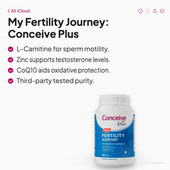
Conceive Plus Men's Fertility Support
Designed to support healthy sperm production, motility, and overall male reproductive health with clinically studied nutrients.
Shop Now →Q: How much does one IVF cycle cost in Ohio?
A: In Ohio, a single IVF cycle typically costs between $10,000 and $12,400, not including medications and testing, according to the American Society for Reproductive Medicine (ASRM). The final cost varies depending on the fertility clinic, the specific protocols used, and whether additional procedures like embryo transfer or genetic testing are needed. Medication costs can add another $1,500 to $3,000 to the total cycle cost. Many Ohio clinics offer package pricing or multi-cycle discounts, which can help reduce overall expenses for those pursuing multiple attempts. Understanding your clinic's pricing structure upfront is essential for budgeting your fertility treatment journey.
Q: Does health insurance in Ohio cover IVF treatment?
A: Ohio does not have a state mandate requiring insurance companies to cover IVF, which means coverage depends entirely on your individual insurance plan and employer. According to the National Conference of State Legislatures, only 20 states currently mandate IVF coverage, and Ohio is not among them. However, some employers and private insurance plans do offer IVF coverage as part of their fertility benefits, so it's worth reviewing your specific policy or contacting your insurance provider directly. If you're uninsured or your plan doesn't cover IVF, many Ohio fertility clinics offer financing options, payment plans, and can connect you with third-party fertility financing companies. Additionally, some individuals explore grant programs and non-profit organizations that provide financial assistance for fertility treatments.
Q: What medications are needed for IVF and how much do they cost?
A: IVF medications typically include hormone injections such as gonadotropins (to stimulate egg production), GnRH agonists or antagonists (to prevent premature ovulation), and progesterone (to support pregnancy after embryo transfer). Medication costs for a single IVF cycle in the United States generally range from $1,500 to $3,000, depending on individual dosing requirements and the specific drugs prescribed. Many fertility clinics work with specialty pharmacies that offer discounted pricing on fertility medications, and some patients use programs like Conceive Plus's fertility support resources to optimize their treatment outcomes while managing costs. Generic versions of certain medications may be available and can help reduce expenses. Your fertility clinic's nurse or financial coordinator can provide a detailed breakdown of anticipated medication costs before your cycle begins.
Q: What additional costs should I expect beyond the base IVF cycle fee?
A: Beyond the base IVF cycle cost of $10,000 to $12,400, patients should budget for diagnostic testing ($1,000-$2,000), ultrasounds and blood work ($500-$1,500), and egg retrieval procedures which may have separate fees ($1,000-$2,500). Advanced procedures such as preimplantation genetic testing (PGT), intracytoplasmic sperm injection (ICSI), or embryo freezing can each add $1,000 to $2,500 to your total expenses. Fertility clinic consultations, semen analysis, and specialized supplements or nutritional support—like those from Conceive Plus—are often additional line items that couples should factor into their budget. If multiple embryo transfers are needed, each transfer cycle may cost $3,000 to $5,000. It's important to request a comprehensive cost estimate from your chosen Ohio fertility clinic that itemizes all potential expenses.
Q: Are there financing options available for IVF in Ohio?
A: Many Ohio fertility clinics offer in-house financing plans or payment plans that allow patients to spread costs over several months or years without interest. Third-party fertility financing companies such as Prosper Fertility, Extend Fertility, and other lenders specifically serve fertility patients and offer medical loans with flexible repayment terms starting as low as 0% APR depending on creditworthiness. Non-profit organizations like RESOLVE: The National Infertility Association maintain directories of grants and financial assistance programs available to Ohio residents pursuing IVF treatment. Some employers offer dependent care flexible spending accounts (FSAs) or health savings accounts (HSAs) that can be used to pay for eligible fertility expenses, potentially saving 20-40% in taxes. Additionally, some fertility clinics offer shared risk or refund programs where patients pay a higher upfront cost in exchange for refunded fees if the treatment is unsuccessful after a certain number of cycles.
Trusted by Couples in Over 70 Countries
Support Male Fertility From the Inside Out
Male fertility is just as important as female fertility in the conception journey. Conceive Plus Men's range delivers targeted nutritional support to promote healthy sperm and overall reproductive wellbeing.
Shop Men's Range →