Liquid Prenatal Vitamins For a Healthy Pregnancy


Prenatal nutrition is a top priority for anyone preparing to welcome a new life into the world. The right balance of vitamins and minerals can help support a mother’s well-being while simultaneously giving her developing baby the best possible start. In recent years, many healthcare professionals and expectant parents have turned their attention to fluid-based formulas, such as liquid prenatal vitamins, designed to meet these critical needs. Below is a detailed examination of why such products have become integral for maternity health and how they differ from more traditional alternatives.
The Evolving Emphasis on Prenatal Nutrition
For decades, specialists have emphasized the importance of nutrition in pregnancy. Folate, iron, calcium, vitamin D, and various other micronutrients must be present in adequate quantities for healthy fetal development. Historically, expectant mothers were advised to rely on diet alone or combine a nutrient-rich meal plan with a one-size-fits-all prenatal pill. However, the conversation has expanded over the past few years to include other ways of delivering these vital components, thereby addressing specific needs and preferences.

A landmark 2023 study published in a global health journal highlighted how prenatal deficiencies can correlate with risks such as neural tube defects and low birth weight. According to its findings, supplementing the diet at a level appropriate to each stage of pregnancy may reduce the likelihood of complications. This knowledge has encouraged exploration into varied supplement formats that can be customized to individual requirements and ease common challenges such as difficulty swallowing tablets [1].
Key Nutrients Critical for a Healthy Pregnancy
Before delving into different supplement formats, it is essential to understand the main nutrients involved in supporting an expectant mother and her developing baby:
- Folate (Folic Acid): Folate helps prevent neural tube defects and aids in cell division. The Centers for Disease Control and Prevention (CDC) and numerous obstetric societies recommend at least 400 to 800 micrograms daily for women planning to conceive and throughout early pregnancy [2].
- Iron: Hemoglobin production and oxygen transport rely heavily on iron. Since blood volume expands drastically during pregnancy, iron requirements often increase significantly to prevent anemia [3].
- Calcium: Bones and teeth in the developing fetus draw from the mother’s calcium stores. While the exact recommended dietary allowance depends on factors like age, it typically ranges between 1,000 and 1,300 milligrams per day.
- Vitamin D: This nutrient works synergistically with calcium to maintain strong bones and is also implicated in immune function and various metabolic processes [4].
- Iodine: Essential for thyroid health, which impacts a baby’s brain development and physical growth.
- Omega-3 Fatty Acids (DHA/EPA): Contribute to fetal brain and eye health. While these may not appear in every prenatal product, their benefits are widely documented [5].
All these components typically appear in some form within prenatal supplements, but the actual proportions may vary. Therein lies one of the key advantages of fluid-based options: they can be formulated to balance nutrients in ways that respond to changing guidelines and new research.
Challenges with Traditional Supplement Formats
Standard prenatal pills and capsules remain widely accessible, but they can pose challenges for certain individuals:
- Difficulty Swallowing Pills: Many pregnant women, especially those experiencing morning sickness, find large capsules difficult to ingest. The gag reflex may be more sensitive, and the size of these pills can be off-putting.
- Absorption Issues: Some individuals discover that their digestive system does not tolerate standard tablets well. Gastrointestinal side effects—like constipation, nausea, or heartburn—may be exacerbated by certain formulations.
- Limited Customization: Pills generally come in fixed doses, making it tougher to tailor the supplementation regimen precisely to personal needs. In contrast, fluid-based variants can offer adjustable serving sizes for a more individualized approach.
- Potential Aftertaste: While many pill-based prenatal products incorporate coatings or flavors, some women report unpleasant tastes or strong odors. The resulting aversion can deter consistent use.
In response to these concerns, new formulations have sprung up, promising simpler administration and potentially enhanced absorption rates. For those who prefer chewable options, learning how to find good chewable prenatal vitamins can be a great alternative to liquid or pill-based supplements, especially for individuals who struggle with swallowing or digestion.

4. Why Some Mothers Opt for Liquid Blends

✨ Start Your Prenatal Care Today
Our Prenatal Vitamins with DHA, Choline & Folate provide the essential nutrients you and your baby need for a healthy start.
Shop Now — $34.95✓ Free shipping on orders over $40 | ✓ Trusted by millions of couples worldwide
An increasing number of expectant women are turning to fluid solutions that can easily be incorporated into daily routines. There are several reasons for this growing trend:
- Ease of Ingestion: A liquid blend removes the barrier of swallowing large tablets. This can be especially helpful during bouts of morning sickness or for those who generally dislike taking pills.
- Potentially Improved Bioavailability: Although scientific consensus is not absolute, some nutrition researchers suggest that fluid supplements are more readily absorbed by the body, particularly when taken alongside a well-balanced meal.
- Flexible Dosage: Many fluid-based formulas come with measuring cups or droppers, enabling customization to meet unique recommendations from a healthcare provider. This feature can be crucial if certain lab results show a heightened need for iron or a specific vitamin.
- Taste and Palatability: Technological advancements have led to more sophisticated flavor profiles. While taste is subjective, plenty of modern fluid prenatal products strive to incorporate mild, pleasant flavors to encourage compliance.
Nevertheless, these products are not entirely free of drawbacks. Some carry robust flavors or may require refrigeration for potency. Moreover, prices vary significantly, and certain specialized blends might be more expensive than their pill-based counterparts.
Important Considerations for Expectant Mothers
Before deciding on a supplement strategy, there are multiple factors to weigh:
- Medical Supervision: Consult with a healthcare professional to understand any personal risks or needs. Blood tests can highlight deficiencies that require a specific focus, such as iron or vitamin D.
- Ingredient Profiles: Liquid formulas vary widely. Always read labels to confirm the presence of essential nutrients like folate, iron, iodine, and other vitamins, while also checking for additives or sweeteners.
- Formulation Testing and Standards: Reputable brands typically follow good manufacturing practices (GMP) and may have third-party verifications for quality and purity. This level of testing can help ensure you are getting the labeled contents without harmful contaminants.
- Storage Requirements: Some fluid supplements need refrigeration to retain potency and flavor. This could be a challenge if you travel frequently or lack consistent access to cold storage.
- Potential for Overdose: While it may be easier to adjust the dosage with a fluid-based product, be cautious about exceeding recommended amounts, particularly when it comes to fat-soluble vitamins like A and D or minerals like iron. Over-supplementation can be hazardous.
Mothers-to-be who keep these considerations in mind are better positioned to pick a prenatal plan that aligns with their health goals, personal preferences, and daily habits.
Modern Guidelines from Health Authorities
Recent guidelines emphasize customizing prenatal nutrition plans. For instance, the American College of Obstetricians and Gynecologists (ACOG) encourages a diet rich in whole grains, fruits, vegetables, lean proteins, and dairy or dairy alternatives—along with supplements as needed. There is growing acknowledgment that pregnancy changes rapidly from one trimester to the next, and nutrient demands shift in tandem. As of 2025, fluid-based supplements have not replaced traditional tablets in official guidelines, but they have been recognized as a viable alternative for those who cannot tolerate pills.
The World Health Organization (WHO) also underscores the importance of meeting daily nutrient targets, especially in regions with high risks of maternal malnutrition or anemia. Their stance remains flexible on the exact form of supplementation, leaning more toward ensuring the correct dosage. In line with this approach, healthcare practitioners advise women to consider their diets, lifestyles, and any personal limitations when choosing a prenatal regimen.
Specialized Nutrients: DHA and Choline
While many people primarily connect prenatal supplementation with vitamins and minerals, additional compounds may be equally significant. DHA (docosahexaenoic acid) has earned a special place in discussions around fetal brain development. Choline, too, has come under the spotlight, believed to support cognitive function in offspring and healthy liver function in pregnant individuals.
These elements may be integrated into some modern fluid-based prenatal products. If you discover that your daily diet lacks fatty fish or other DHA-rich foods, and you do not take separate fish oil or algae-based supplements, a fluid prenatal mixture containing these components could be advantageous.
The Role of Diet and Lifestyle
Supplements, regardless of format, are intended to support rather than replace a balanced diet. Women should continue to prioritize the consumption of nutrient-dense foods, including a variety of fruits and vegetables, plant-based proteins like beans and lentils, lean meats, and whole grains. Regular physical activity suited to each trimester—guided by a medical professional—also contributes to overall health and may improve how nutrients are metabolized.
Hydration is similarly fundamental, particularly in pregnancy. Water helps transport nutrients to cells and assists in maintaining adequate amniotic fluid levels. When a fluid-based supplement is part of the routine, ensuring a consistent intake of water can prevent any digestive discomfort that might occur with the iron or other minerals present in the blend.
Overcoming Aversion and Morning Sickness
Nausea and vomiting in early pregnancy are common hurdles that can make the idea of swallowing anything unpleasant. Fluids with mild or naturally derived flavors can sometimes be easier to handle than pills. Some mothers find success in dividing the dosage throughout the day to mitigate side effects. For example, half a dose in the morning and the other half at dinner might help minimize stomach upset.
It is also worth mentioning that more gentle forms of iron, such as iron bisglycinate, sometimes found in fluid products, may reduce gastrointestinal side effects compared to ferrous sulfate. Checking the type of iron included in any supplement is a wise move, especially for those with sensitive stomachs [6].
For expectant mothers struggling with nausea, Conceive Plus Morning Sickness Relief offers a natural and safe solution, leveraging the power of ginger to alleviate discomfort and make pregnancy more manageable.

Points to Discuss with Your Healthcare Provider
Before introducing a new fluid-based regimen, have an open conversation with your doctor, midwife, or dietitian. Potential discussion points include:
- Current Lab Results: Check levels of iron, vitamin D, and any other nutrients.
- Preexisting Conditions: If you have a history of anemia or issues with blood pressure, customizing your supplement plan is even more critical.
- Medication Interactions: Certain prescriptions might interfere with nutrient uptake, making timing or specific formulation choices essential.
- Long-Term Strategy: As pregnancy progresses into postpartum, nutritional needs evolve again. Planning ahead can streamline the transition and support postnatal recovery.
Such a comprehensive chat ensures you select a formulation and dosage that genuinely complements your lifestyle and health status.
The Bottom Line
Embarking on a pregnancy demands careful attention to overall health. For some expectant mothers, liquid prenatal vitamins may present an appealing option that combines flexibility, potential ease of ingestion, and the opportunity for customization. Above all, finding a high-quality product, verifying its nutrient profile, and seeking guidance from a trusted practitioner can lead to better outcomes and a more comfortable pregnancy experience.
References
- Purandare CN. Maternal nutritional deficiencies and interventions. J Obstet Gynaecol India. 2012 Dec;62(6):621-3. doi: 10.1007/s13224-013-0347-9. PMID: 24293835; PMCID: PMC3575894.
- Kadir M, Hood RB, Mínguez-Alarcón L, Maldonado-Cárceles AB, Ford JB, Souter I, Chavarro JE, Gaskins AJ; EARTH Study Team. Folate intake and ovarian reserve among women attending a fertility center. Fertil Steril. 2022 Jan;117(1):171-180. doi: 10.1016/j.fertnstert.2021.09.037. Epub 2021 Nov 19. PMID: 34809974; PMCID: PMC8714696.
- Institute of Medicine (US) Committee on Nutritional Status During Pregnancy and Lactation. Nutrition During Pregnancy: Part I Weight Gain: Part II Nutrient Supplements. Washington (DC): National Academies Press (US); 1990. 14, Iron Nutrition During Pregnancy. Available from: https://nap.nationalacademies.org/read/1451/chapter/16
- Dragomir RE, Toader OD, Gheoca Mutu DE, Stănculescu RV. The Key Role of Vitamin D in Female Reproductive Health: A Narrative Review. Cureus. 2024 Jul 28;16(7):e65560. doi:10.7759/cureus.65560. PMID: 39071069; PMCID: PMC11283644.
- Stanhiser J, Jukic AMZ, McConnaughey DR, Steiner AZ. Omega-3 fatty acid supplementation and fecundability. Hum Reprod. Available at: https://pmc.ncbi.nlm.nih.gov/articles/PMC9308390/
- Lee NM, Saha S. Nausea and vomiting of pregnancy. Gastroenterol Clin North Am. 2011 Jun;40(2):309-34, vii. doi: 10.1016/j.gtc.2011.03.009. PMID: 21601782; PMCID: PMC3676933
🌱 Everything You and Baby Need
Conceive Plus Prenatal Vitamins are formulated with DHA for brain development and Folate for neural tube protection.
Shop Prenatal Vitamins →Frequently Asked Questions
Recommended by Fertility Experts
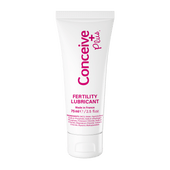
Conceive Plus Fertility Lubricant
Specially formulated to be sperm-friendly and isotonic, supporting your natural conception journey without disrupting the reproductive environment.
Shop Now →Q: Are liquid prenatal vitamins better than pills during pregnancy?
A: Liquid prenatal vitamins offer several advantages over traditional pills, particularly for women experiencing pregnancy-related nausea or difficulty swallowing. They are absorbed more quickly by the digestive system and allow for easier dose customization, making them especially beneficial during the first trimester when morning sickness affects up to 80% of pregnant women. Both formulations can be effective when they contain essential nutrients like folic acid, iron, and calcium as recommended by the American College of Obstetricians and Gynecologists (ACOG). The choice between liquid and pill forms ultimately depends on individual tolerance and preference, but many expectant mothers find liquid formulas more manageable. Conceive Plus liquid prenatal options are designed with bioavailability in mind, ensuring your body can efficiently absorb critical nutrients needed for fetal development.
Q: What vitamins and minerals should be in a prenatal supplement?
A: According to ACOG guidelines, a comprehensive prenatal supplement should contain at least 400-800 mcg of folic acid to prevent neural tube defects, 27 mg of iron to support increased blood volume, 1,000 mg of calcium for fetal bone development, and 600 IU of vitamin D for calcium absorption. Additional beneficial ingredients include vitamin C, vitamin B12, zinc, and DHA (omega-3 fatty acids), which support cognitive development and reduce the risk of preterm birth. The American Society of Reproductive Medicine (ASRM) emphasizes that prenatal nutrition begins before conception, making supplementation important during the preconception phase as well. Many healthcare providers recommend starting prenatal vitamins at least three months before attempting pregnancy to ensure optimal nutrient stores. Quality prenatal formulas like those offered by Conceive Plus are formulated to meet these comprehensive nutritional standards.
Q: When should I start taking prenatal vitamins?
A: Healthcare professionals recommend beginning prenatal vitamins at least three months before attempting to conceive, as this allows your body to build essential nutrient reserves, particularly folic acid, which is critical during the first 28 days of pregnancy when many women don't yet know they're pregnant. The CDC reports that adequate folic acid intake can reduce the risk of neural tube defects by up to 70%. If you're already pregnant, starting prenatal vitamins immediately is still highly beneficial for the remainder of your pregnancy and during breastfeeding. Continuing supplementation throughout breastfeeding supports both maternal health recovery and breast milk quality. Whether you're in the preconception, pregnancy, or postpartum phase, maintaining consistent prenatal nutrition with products like Conceive Plus ensures your body and baby receive continuous support.
Q: Can I get all my prenatal nutrients from food alone?
A: While a healthy, well-balanced diet is essential during pregnancy, it's nearly impossible to obtain all necessary prenatal nutrients from food alone, especially in the quantities required during gestation. For example, achieving adequate folic acid intake (400-800 mcg daily) would require consuming multiple servings of leafy greens and fortified grains daily, and iron requirements increase by 50% during pregnancy, making supplementation critical for most women. The National Institutes of Health confirms that prenatal supplementation is a standard recommendation for all pregnant individuals to prevent deficiencies that could impact fetal development. Even women with excellent diets benefit from prenatal supplementation as a nutritional insurance policy. Adding a liquid prenatal vitamin like Conceive Plus to your routine ensures consistent, reliable nutrient intake regardless of dietary variations or food aversions common in pregnancy.
Q: Is it safe to take liquid prenatal vitamins throughout pregnancy and breastfeeding?
A: Yes, liquid prenatal vitamins are safe and recommended throughout pregnancy and into the breastfeeding period when taken as directed and formulated with ingredients that meet FDA and ACOG safety standards. In fact, continuing prenatal supplementation while breastfeeding is beneficial because many nutrients are transferred through breast milk to support infant development, and maternal nutrient stores become depleted postpartum. It's important to verify that any prenatal formula you choose contains ingredients within safe recommended levels, avoiding excessive doses of fat-soluble vitamins like vitamin A that can accumulate in the body. Discussing your specific supplementation plan with your healthcare provider ensures it aligns with your individual health needs and any medications you may be taking. Products formulated by established fertility supplement brands like Conceive Plus undergo rigorous quality testing to ensure safety and efficacy for use during all stages of pregnancy and lactation.
Trusted by Couples in Over 70 Countries
Start Your Fertility Journey With the Right Support
Conceive Plus Fertility Lubricant is specially formulated to be compatible with sperm, eggs, and embryos. Whether you are just starting out or have been trying for a while, our products are designed to work with your body — not against it.
Explore Fertility Lubricant →