Is Lower Back Pain During Ovulation Sign of Pregnancy?
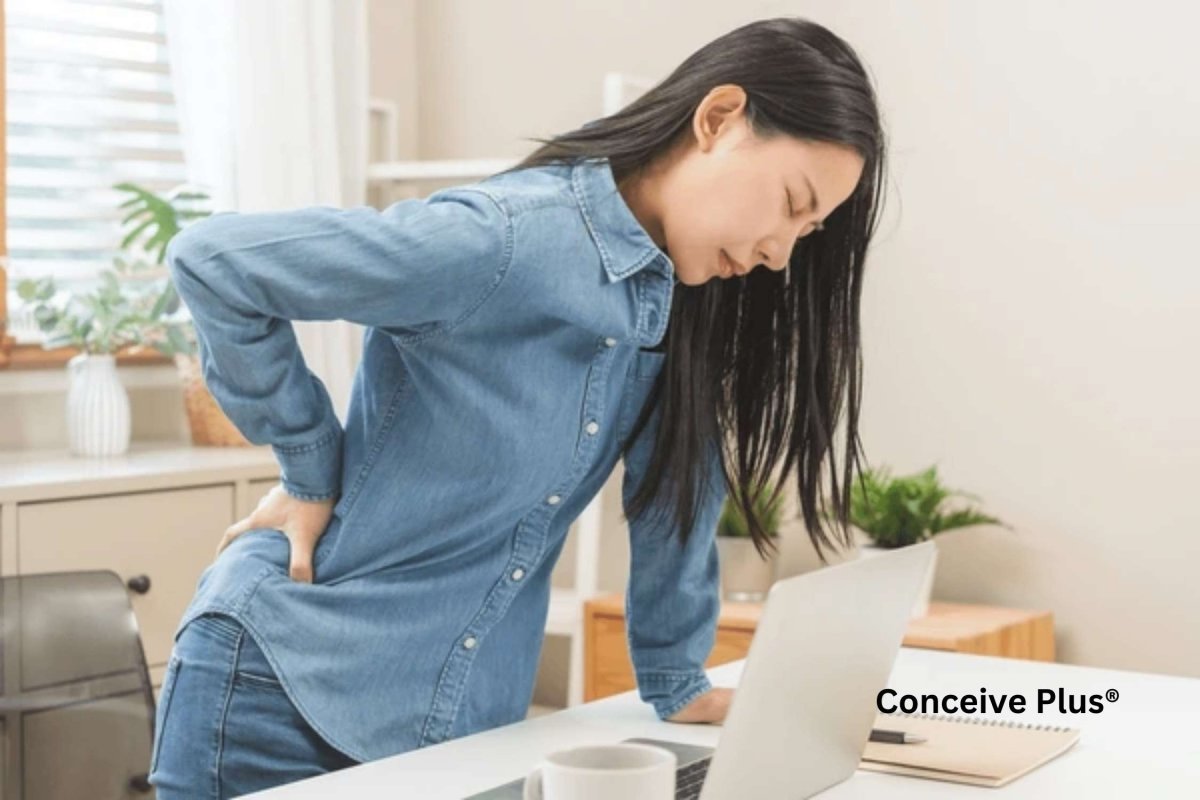

Lower back pain is a common concern for many women during different phases of the menstrual cycle. Ovulation is the time when a female body releases an egg. It sometimes causes pain in the lower abdomen or lower back.
Pregnancy also results in similar symptoms, which can make women confused about whether their lower back pain during ovulation sign of pregnancy. In such situations, it is important to look for other signs of pregnancy to confirm if you are pregnant or if back pain is just a normal ovulation sign [1].
In this article, we will explain the causes of lower back pain after ovulation and see if back pain after ovulation is a sign of pregnancy. This article also covers the early pregnancy signs to look for after ovulation.

What Is Ovulation and Its Symptoms?
Ovulation is a critical phase of the menstrual cycle when one of the two ovaries releases a mature egg. It usually occurs around the middle of the cycle, about 14 days before the next period begins. Most women experience several symptoms during ovulation, which include mild cramping, an increase in cervical mucus, and sometimes lower back pain.
Hormonal and physical changes in the body during the process of egg release are the actual cause of lower back pain during ovulation. While it is a normal part of ovulation for some women, some may wonder, “Is lower back pain a sign of pregnancy?” This question often arises when women start to experience discomfort along with symptoms.

Why Might You Experience Back Pain After Ovulation?
Several reasons can result in back pain after ovulation. Some of those include:
-
Implantation
Implantation is when a fertilized egg or embryo implants into the uterine lining. This process may cause mild cramping or discomfort, including lower back pain. In addition to cramps, most women also notice light spotting during implantation, which is called implantation bleeding [2].
-
Hormonal Changes
After implantation, there is a sudden rise in progesterone hormone levels. This is because the placenta starts functioning after implantation and is responsible for releasing progesterone [3]. The surge in progesterone can affect the muscles and ligaments, leading to mild back discomfort.
-
Ovulation Pain (Mittelschmerz)
When a follicle in an ovary ruptures to release the egg, it can sometimes cause cramping or pain that radiates to the back. The follicle also contains many fluids, so the rupture of the follicle causes the leaking of fluid inside the ovary. This fluid may also result in irritation and pain. Reports show that around 40% of women in their reproductive age experience ovulation pain [4].
These causes confuse most women and they find themselves asking if their back cramps are an early pregnancy sign or lower back pain sign of pregnancy in their case.
Can Back Pain Be a Sign of Pregnancy?
Lower back pain can sometimes be an early sign of pregnancy, but experiencing this pain after ovulation doesn't confirm you are pregnant. While lower back pain can be a common symptom during ovulation, it’s worth noting that are body aches a sign of pregnancy, especially when accompanied by other early pregnancy symptoms like fatigue or nausea. If fertilization occurs, hormonal changes may lead to mild discomfort or back pain after ovulation.
One prominent hormonal change is an increase in the progesterone hormone. This hormone prevents the uterine lining from shedding and supports its integrity once pregnancy is achieved. This hormone can relax ligaments and muscles, potentially causing mild backache and early pregnancy sign [5].
However, it’s important to note that lower back pain is also common during the luteal phase — the second half of the menstrual cycle — and is not always a sign of pregnancy [6].
Is Back Pain a Sign of Pregnancy 1 Week After Ovulation?
Back pain during the time of ovulation is still easy to differentiate from pregnancy since pregnancy symptoms are very less likely to occur mid-cycle, which is the time of ovulation. But what if the pain occurs after one week of ovulation? So, “Is back pain a sign of pregnancy 1 week after ovulation?”
It is possible that the lower back pain you experience after one week of ovulation is due to pregnancy [7]. But to confirm whether it is due to pregnancy or not, you need to look for other signs of implantation, such as:
- Mild cramping or backache as an early pregnancy sign.
- Light spotting — implantation bleeding
- Breast tenderness.
Keep in mind that these signs do not always confirm you are pregnant. This is because you may experience similar signs as a part of premenstrual syndrome (PMS) [8]. In such conditions, you should go for a pregnancy test to confirm pregnancy.
Tests to Confirm Pregnancy

✨ Wondering If You're Pregnant?
Back pain during ovulation can sometimes signal early pregnancy. Our early detection test gives you answers sooner.
Shop Now — $9.80✓ Free shipping on orders over $40 | ✓ Trusted by millions of couples worldwide
When you start to experience other early signs of pregnancy, and you are confused is back pain sign of pregnancy in your case, a pregnancy test will help you in this situation. There are two types of pregnancy tests that are common:
- At-home pregnancy test: At-home pregnancy tests involve using a test kit to detect the hCG hormone in urine. This is because the levels of hCG hormone significantly increase in the urine and blood soon after pregnancy [9].

- Blood Test: A blood test is a more precise option to confirm pregnancy, but you can't do it at home. You need to visit your doctor to undergo a blood test which measures the hCG hormone in the blood.
Back Pain In Ovulation vs Pregnancy
Many women wonder, “Is lower back pain a sign of pregnancy?” or “Is back pain an early sign of pregnancy?” Here are some ways to tell if you are experiencing lower back pain because of pregnancy or not:
-
Timing
Ovulation-related back pain typically occurs in the middle of your menstrual cycle, which is around day 14 if your menstrual cycle is of 28 days. In contrast, back ache early sign of pregnancy may start around the time of a missed period or implantation, which is usually two weeks after ovulation.
-
Accompanying Symptoms
One characteristic sign of ovulation is that it is mild, and you may also experience other symptoms, such as changes in cervical mucus. The cervical mucus becomes thin and slippery during the ovulation days. In contrast, you may experience nausea, fatigue, or back hurting early sign of pregnancy.
-
Duration
Ovulation itself is of short duration, that is 12 to 24 hours during the menstrual cycle. This is why ovulation pain is short-lived and usually goes away the same day. On the other hand, back cramps early pregnancy may persist for days or occur intermittently [7].
Other Causes of Back Pain During the Menstrual Cycle
Apart from ovulation and pregnancy, there are some other reasons why you might experience back pain during your cycle. These are:
- Premenstrual Syndrome (PMS): PMS represents a wide range of signs that most women experience before menstruation or periods [8]. These signs can be similar to early pregnancy signs, like lower back pain, light spotting or breast tenderness.
- Endometriosis: It is a condition where tissues similar to the uterine lining start to develop in other places of the female reproductive tract [10]. This can cause severe pain during ovulation and menstruation.
- Pelvic Inflammatory Disease (PID): Pelvic inflammatory disease refers to an infection in the female reproductive organs present inside the pelvis. This infection of the reproductive organs can lead to back pain along with other symptoms.
When Should Back Pain Be Concerning?
While mild spotting or cramping with back pain early pregnancy signs is common, some situations require medical attention. These include:
- Heavy bleeding or severe cramping.
- Pain that worsens over time.
- Fever or other signs of infection.
Other Early Signs of Pregnancy to Watch For
It is very likely for women to have questions like is lower back pain a sign of early pregnancy or is backache a sign of pregnancy in their minds when they are excited for conception. If you are that woman, in addition to back pain as a sign of pregnancy, you must look for other symptoms that might indicate early pregnancy [11]. These are:
- Nausea or morning sickness.
- Missed period.
- Frequent urination.
- Fatigue.
- Changes in appetite or food cravings.
These symptoms, combined with backache as an early pregnancy sign, may suggest that it is the right time to undergo a pregnancy test for confirmation.

The Bottom Line
Lower back pain can occur at different times during a female menstrual cycle. When women experience this pain after ovulation, they start to question themselves if lower back pain during ovulation sign of pregnancy.
So, can lower back pain be a sign of pregnancy? Well, it is true that pregnancy may result in symptoms like lower back pain, but not every lower back pain after ovulation means you are pregnant.
Mild lower back pain after ovulation is often a normal part of physical and hormonal changes that occur in a female body at this time. However, if you also experience other early pregnancy signs like nausea, fatigue, or a missed period, it’s a good idea to take a home pregnancy test or consult your doctor.
FAQs
-
Is back pain a sign of early pregnancy?
Questions like is lower back ache a sign of pregnancy, or is a sore back a sign of pregnancy, are common among women trying to conceive. These signs can indicate pregnancy but don't confirm it. The timing, duration, and other symptoms of early pregnancy along with lower back pain can help you identify if you are pregnant.
-
Can you get pregnant 5 days after ovulation?
Implantation, which is when pregnancy officially begins, can occur about 5 to 10 days after ovulation. After fertilization, the fertilized egg travels to the uterus to implant into the uterine lining.
Resources Used
- Ertmann, R. K., Nicolaisdottir, D. R., Kragstrup, J., Overbeck, G., Kriegbaum, M., & Siersma, V. (2022). The predictive value of common symptoms in early pregnancy for complications later in pregnancy and at birth. Acta Obstetricia Et Gynecologica Scandinavica, 102(1), 33–42. https://doi.org/10.1111/aogs.14474
- Implantation bleeding: Common in early pregnancy? (n.d.). Mayo Clinic. https://www.mayoclinic.org/healthy-lifestyle/pregnancy-week-by-week/expert-answers/implantation-bleeding/faq-20058257
- Tuckey, R. C. (2005). Progesterone synthesis by the human placenta. Placenta, 26(4), 273-281. https://doi.org/10.1016/j.placenta.2004.06.012
- Brott, N. R., & Le, J. K. (2023, May 1). Mittelschmerz. StatPearls - NCBI Bookshelf. https://www.ncbi.nlm.nih.gov/books/NBK549822/
- Pang, Y., & Thomas, P. (2018). Progesterone induces relaxation of human umbilical cord vascular smooth muscle cells through mPRα (PAQR7). Molecular and Cellular Endocrinology, 474, 20-34. https://doi.org/10.1016/j.mce.2018.02.003
- Professional, C. C. M. (2024b, May 1). Luteal phase. Cleveland Clinic. https://my.clevelandclinic.org/health/articles/24417-luteal-phase
- Website, N. (2024, November 14). Back pain in pregnancy. nhs.uk. https://www.nhs.uk/pregnancy/related-conditions/common-symptoms/back-pain/
- Betz, D., & Fane, K. (2023, August 14). Human chorionic gonadotropin. StatPearls - NCBI Bookshelf. https://www.ncbi.nlm.nih.gov/books/NBK532950/
- Betz, D., & Fane, K. (2023b, August 14). Human chorionic gonadotropin. StatPearls - NCBI Bookshelf. https://www.ncbi.nlm.nih.gov/books/NBK532950/
- Allaire, C., Bedaiwy, M. A., & Yong, P. J. (2023). Diagnosis and management of endometriosis. Canadian Medical Association Journal, 195(10), E363–E371. https://doi.org/10.1503/cmaj.220637
- What are some common signs of pregnancy? (2017, January 31). https://www.nichd.nih.gov/. https://www.nichd.nih.gov/health/topics/pregnancy/conditioninfo/signs
🌱 Don't Wait to Find Out
Conceive Plus Early Pregnancy Tests are sensitive enough to detect pregnancy up to 6 days before your missed period.
Shop Pregnancy Tests →Frequently Asked Questions
Recommended by Fertility Experts
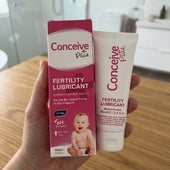
Conceive Plus Fertility Lubricant
Specially formulated to be sperm-friendly and isotonic, supporting your natural conception journey without disrupting the reproductive environment.
Shop Now →Q: Can ovulation pain feel like early pregnancy symptoms?
A: Yes, ovulation pain and early pregnancy symptoms can feel remarkably similar, which is why many women find them confusing. Both can cause lower back pain, abdominal cramping, and mild discomfort lasting a few hours to a few days. However, ovulation pain typically occurs around day 14 of a 28-day cycle and resolves within 24-48 hours, while pregnancy symptoms usually appear after implantation (6-12 days after ovulation) and persist longer. To distinguish between the two, track your cycle carefully and look for additional pregnancy signs like breast tenderness, nausea, or missed periods. If you're actively trying to conceive, maintaining optimal reproductive health through proper nutrition and supplementation with products like Conceive Plus can support both cycle tracking accuracy and fertility outcomes.
Q: How long does lower back pain last during ovulation?
A: Ovulation-related lower back pain typically lasts between a few hours and 48 hours, with most women experiencing discomfort for less than one day. According to the American College of Obstetricians and Gynecologists (ACOG), this pain, known as mittelschmerz, affects approximately 20% of menstruating women and is caused by the release of an egg from the ovary. The intensity can range from mild to moderate and usually resolves on its own without treatment. If your lower back pain persists beyond two days or occurs at different times in your cycle, it may indicate pregnancy, hormonal changes, or another underlying condition worth discussing with your healthcare provider. Staying hydrated and using gentle stretching exercises can help manage ovulation-related discomfort during this fertile window.
Q: What's the difference between ovulation cramps and pregnancy cramps?
A: Ovulation cramps are typically sharp, one-sided pains in the lower abdomen that last 12-48 hours and occur mid-cycle, while pregnancy cramps are usually bilateral (both sides), milder, and persist longer as the uterus begins to expand. According to fertility research, ovulation pain affects about 1 in 5 women and is a normal physiological response to egg release, whereas pregnancy cramping becomes noticeable after implantation and may continue throughout the first trimester. Ovulation cramps typically don't require medical attention, while pregnancy cramps should be discussed with your OB-GYN if they're severe or accompanied by bleeding. The timing is key—if cramping occurs 6-12 days after ovulation alongside other pregnancy signs, pregnancy is more likely. Maintaining cycle awareness and supporting your reproductive health with proper nutrition can help you better understand your body's signals.
Q: When should I take a pregnancy test after ovulation?
A: The most reliable time to take a pregnancy test is at least 12-14 days after ovulation, when hCG (human chorionic gonadotropin) levels are typically high enough for detection by home tests, though waiting until your missed period provides the most accurate results. The FDA-approved home pregnancy tests are generally 99% accurate when used correctly on the first day of a missed period, but testing too early can result in false negatives. If you test before your missed period, you may get inaccurate results because hCG levels double every 48-72 hours in early pregnancy and may not be detectable yet. Most fertility experts and the American Society for Reproductive Medicine (ASRM) recommend testing on the first day of a missed period for best accuracy. If you're trying to conceive, using resources to track your exact ovulation day—combined with proper supplementation and cycle support—can help you time testing appropriately and reduce unnecessary testing anxiety.
Q: Is lower back pain a sign of implantation?
A: Lower back pain can be associated with implantation, which typically occurs 6-12 days after ovulation, though it's not a primary implantation symptom and shouldn't be relied upon as a pregnancy indicator alone. Implantation can cause mild cramping, spotting, and hormonal changes that may result in back discomfort, but most women don't experience noticeable back pain specifically from implantation. According to fertility research, more reliable early pregnancy signs include missed periods, breast tenderness, nausea, and positive pregnancy tests rather than back pain. If you experience lower back pain during the implantation window, it could just as easily be related to your regular menstrual cycle, stress, or physical activity. To accurately confirm pregnancy versus cycle-related symptoms, maintain a detailed fertility chart, note all symptoms with dates, and take a pregnancy test after a missed period, while ensuring your body has optimal nutritional support through proper supplementation during your fertility journey.
Trusted by Couples in Over 70 Countries
Start Your Fertility Journey With the Right Support
Conceive Plus Fertility Lubricant is specially formulated to be compatible with sperm, eggs, and embryos. Whether you are just starting out or have been trying for a while, our products are designed to work with your body — not against it.
Explore Fertility Lubricant →