Myo-Inositol for Fertility: A Complete Guide to Hormone Balance and Conception in 2026


What if the missing link in your conception journey isn't a high-dose prescription, but a precision signaling molecule that balances your hormones from the inside out? If you've spent months tracking irregular ovulation or worrying about egg quality, you've likely felt the frustration of generic advice that doesn't account for your unique biology. Using myo-inositol for fertility is no longer just a "PCOS hack"; it's a scientifically backed strategy to restore cycle regularity and improve oocyte health. With 106 active clinical trials currently exploring its benefits, this supplement is transforming how we approach reproductive wellness in 2026.
You deserve a clear path forward that replaces anxiety with actionable data. You probably already know that insulin sensitivity and hormonal balance are pillars of a healthy pregnancy, but finding the right dosage can feel overwhelming. This guide promises to clarify the confusion by breaking down the 40:1 physiological ratio and the latest regulatory updates. We'll explore how to build a personalized plan to improve your egg quality and finally achieve the predictable cycles you've been working toward.
Key Takeaways
- Understand how this precision signaling molecule acts within your follicular fluid to optimize egg health and cellular communication.
- Learn how to use myo-inositol for fertility to normalize your LH/FSH ratio and protect your ovaries from oxidative stress.
- Identify the specific symptoms and hormonal markers that indicate you are a prime candidate for supplementation.
- Discover the clinical standard for daily dosage and why the 40:1 ratio is vital for mimicking your body’s natural chemistry.
- See how to integrate targeted supplements with vaginal environment support to create a complete plan for successful conception.
What is Myo-Inositol and How Does it Influence Female Fertility?
Myo-inositol is a naturally occurring sugar alcohol that plays a fundamental role in how your cells communicate. Though it was once classified as Vitamin B8, scientists now refer to it as a "pseudovitamin" because your body can produce it from glucose. However, the demand for this molecule often exceeds the body's natural supply when you're trying to conceive. Understanding What is Myo-Inositol? is the first step in recognizing its necessity for reproductive health. It exists in several forms, but the most critical for your journey are myo-inositol and D-chiro-inositol (DCI), which usually function best in a specific 40:1 ratio to mimic the body's natural state.
Inside the ovaries, myo-inositol is found in high concentrations within the follicular fluid. This fluid surrounds your developing eggs, providing the chemical signals required for growth and maturation. When levels of myo-inositol for fertility are optimal, the environment inside the follicle supports the complex biological steps needed for a healthy cycle. Without enough of it, cellular signaling can falter, leading to the hormonal roadblocks many women face during their TTC journey.
The Connection Between Insulin and Ovulation
Inositol acts as a powerful insulin sensitizer, helping your body process blood sugar more efficiently. This is vital because high insulin levels can trigger the ovaries to produce excess testosterone, which disrupts the delicate balance of Luteinizing Hormone (LH) and Follicle-Stimulating Hormone (FSH). When these hormones are out of sync, ovulation becomes irregular or stops altogether. By improving insulin sensitivity, myo-inositol helps normalize the LH/FSH ratio, paving the way for more predictable cycles. If you're currently tracking your window, using an ovulation calculator can help you see these improvements in real-time as your cycle regularity stabilizes.
Myo-Inositol's Role in Oocyte (Egg) Quality
The health of an oocyte, or egg cell, depends heavily on its energy source. Research consistently shows that higher levels of myo-inositol in the follicular fluid are associated with better egg quality and higher fertilization rates. This is largely due to its impact on mitochondrial function. Mitochondria are the powerhouses of the cell, providing the energy required for the egg to divide and eventually implant in the uterine lining. Because egg quality is a primary factor for successful conception, maintaining high inositol levels is a proactive way to support the earliest stages of pregnancy. Using myo-inositol for fertility ensures that each developing egg has the resources it needs to thrive before it even meets a sperm cell.
The Science of Hormone Balance: Restoring Your Natural Cycle
Achieving a consistent, predictable cycle is often the biggest hurdle for women on their fertility journey. While we've established that inositol acts as a cellular messenger, its most profound impact lies in how it recalibrates your endocrine system. Research into Myo-Inositol's Role in Fertility and Pregnancy highlights its ability to sensitize the body to Follicle-Stimulating Hormone (FSH). When FSH signaling is restored, the Luteinizing Hormone (LH) surge becomes more predictable. This hormonal alignment is essential for the body to release a mature egg at the right time each month.
Beyond LH and FSH, myo-inositol for fertility addresses the issue of androgen excess, or high testosterone. For many, elevated androgens act like a biological brake, preventing the follicles from reaching full maturity. By lowering these levels, inositol helps jumpstart ovulation. It also acts as an antioxidant within the ovarian microenvironment. By reducing oxidative stress, it protects the developing oocytes from damage, ensuring that when ovulation does occur, the egg is in the best possible condition for fertilization. This dual action of hormone regulation and cellular protection is why many women see a significant improvement in cycle length and predictability within three months of consistent use.
Managing Polycystic Ovary Syndrome (PCOS) Symptoms
For those with PCOS, myo-inositol is often considered a first-line natural support because it targets the root cause: insulin resistance. This metabolic glitch creates a vicious cycle where high insulin triggers the ovaries to produce more testosterone, which then further impairs insulin function. Breaking this cycle helps manage visible symptoms like hormonal acne and unwanted hair growth. It’s not just about aesthetics; it's about signaling to your body that it is safe and healthy enough to support a pregnancy. If you’re ready to start tracking these changes, you can explore best-selling fertility products that incorporate these vital nutrients.
Benefits for Women Without PCOS
A common question is whether you should use myo-inositol for fertility if you don't have PCOS. Recent data from the 106 active clinical trials as of May 2026 suggests that inositol benefits general egg health even in women with regular cycles. It enhances the "bio-availability" of the hormones already present in your system, supporting the maturation process. However, if you have "lean" PCOS or naturally low androgen levels, a consultation with a specialist is vital. In these cases, over-suppressing androgens could actually hinder your progress. For most, however, inositol serves as a foundational tool for optimizing the reproductive environment and ensuring the highest possible oocyte quality before a conception attempt.
Is Myo-Inositol Right for You? Evaluating Your TTC Needs

✨ Trying to Conceive?
Our Ovulation & Fertility Bundle combines Myo-Inositol with essential vitamins to support healthy hormone balance and regular ovulation.
Shop Now — $55.00✓ Free shipping on orders over $40 | ✓ Trusted by millions of couples worldwide
Deciding which supplements to include in your fertility regimen shouldn't feel like guesswork. While the benefits of myo-inositol for fertility are well-documented, its effectiveness depends heavily on your specific hormonal starting point. This isn't a one-size-fits-all solution; it’s a targeted tool for those whose biochemical environment needs specific recalibration. If you're wondering where you fit on the spectrum, start by looking at your cycle patterns and metabolic signals.
Common signs that you might benefit from inositol include:
- Cycle lengths consistently exceeding 35 days.
- Intense sugar cravings or "crashes" after high-carb meals.
- Difficulty losing weight despite consistent diet and exercise.
- Hormonal breakouts along the jawline or chest.
There’s a significant scientific discussion regarding the "Low Androgen" profile. Some clinical observations suggest that inositol can reduce testosterone levels significantly in certain populations. For a woman with PCOS, this is a victory. However, if your testosterone or DHEA levels are already low, further suppressing them could negatively impact your libido and energy. Don't guess about your levels. Request a full hormonal panel to ensure your androgens are in a range that warrants reduction. This data-driven approach allows you to use supplements as precision medicine rather than a broad-spectrum gamble.
Who Should Consider Myo-Inositol?
Women with a confirmed PCOS diagnosis or clinical insulin resistance are the primary candidates for this supplement. However, the scope is widening. If you're experiencing "silent" ovulation, where you have a period but your progesterone levels suggest you didn't actually release an egg, inositol may help. Women over 35 also find it valuable for protecting the remaining egg reserve from oxidative damage. For those navigating assisted reproduction, research on Myo-Inositol and IVF Outcomes shows that it can significantly improve oocyte quality and pregnancy rates during ICSI cycles. It’s about creating the best possible cellular environment before the fertilization process begins.
Who Should Exercise Caution?
If your blood work shows naturally low testosterone, you should approach inositol with care or use it under direct medical supervision. While generally safe, some users report mild nausea, dizziness, or headaches when they first start a high-dose regimen. You can usually avoid these by starting with a lower dose and taking it with food. To see how inositol fits into a broader reproductive strategy, you can read our guide on Supplements to Increase Fertility. Combining inositol with lifestyle adjustments like low-glycemic eating and stress management creates a synergistic effect that no single pill can achieve alone.
How to Take Myo-Inositol: Dosage, Timing, and the 40:1 Ratio
Implementation is where the science meets your daily routine. To see real changes in your cycle and egg health, you need a strategy that prioritizes both the right amount and the right timing. Most clinical research suggests a daily range of 2,000mg to 4,000mg of myo-inositol for fertility. While some people take the full dose at once, splitting it into two smaller doses—one in the morning and one in the evening—helps maintain consistent levels in your bloodstream throughout the day. You can take it on an empty stomach, but taking it with meals is a simple way to prevent the mild nausea or dizziness that some users experience when they first start.
Patience is perhaps the most important "ingredient" in your plan. Egg quality doesn't shift overnight; it takes approximately 90 days for an oocyte to mature before it is released during ovulation. This means you should commit to your regimen for at least three months to evaluate its true impact on your fertility. As you progress, use an ovulation calculator to track any narrowing of your cycle window or improvements in your fertile signs. Documenting these small wins helps you stay motivated during the wait.
Why the 40:1 Ratio Matters
The body doesn't use all inositols in the same way. In healthy ovaries, myo-inositol and D-chiro-inositol exist in a specific balance that allows for proper insulin signaling and egg maturation. The 40:1 ratio of Myo to D-chiro-inositol is the gold standard for ovarian health in 2026. Taking D-chiro-inositol in high doses on its own can lead to the "Inositol Paradox," where the excess actually harms oocyte quality instead of helping it. By choosing a supplement that mimics this 40:1 physiological ratio, you're supporting your ovaries with the exact balance they use naturally.
Combining Inositol with Folic Acid
There's a powerful synergy between inositols and B-vitamins like folic acid. Together, they support both metabolic health and the critical early stages of neural tube development. This is why many high-quality fertility prenatal vitamins now integrate both nutrients into their formulations. If you're ready to streamline your routine with a scientifically backed approach, you can explore our TTC fertility product bundles that combine these essential ingredients for maximum support.
Building Your Fertility Plan: Beyond Supplementation
While myo-inositol for fertility is a cornerstone of hormonal balance, it's just one piece of the puzzle. Think of inositol as the architect that designs a better internal environment. You still need the right materials and timing to build a successful pregnancy. This means looking beyond your supplement cabinet to the physical and digital tools that support conception. Achieving pregnancy is a multi-layered process that involves egg quality, sperm health, and the environment where they meet.
Consistent monitoring is your best defense. Beyond the 90-day window for egg quality we discussed earlier, you should use digital tracking tools to stay ahead of your fertile window. These tools help you identify the subtle shifts in your cycle that indicate ovulation is approaching. If you've been consistent with your regimen for six months and haven't seen a positive test, it's time to consult a fertility specialist. They can look for structural issues or other factors that supplements alone can't address.
Optimizing the Conception Environment
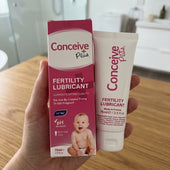
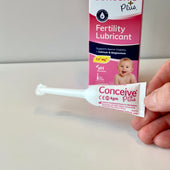
Even the highest quality egg needs a clear, hospitable path to fertilization. Many couples don't realize that standard lubricants can actually act as a barrier to sperm because of their pH levels. Using a fertility friendly lubricant ensures that the vaginal environment remains at an optimal level for sperm motility. Creating this "sperm-safe" environment is just as important as the vitamins you take. It ensures that when you do ovulate, the sperm have the best possible chance of reaching their destination without being hindered by an acidic environment.
Conceive Plus: Your Partner in the TTC Journey
Your journey is unique, but you don't have to navigate it alone. We've developed a range of best-selling fertility products that integrate the science of myo-inositol for fertility with other vital nutrients. For those who want a streamlined approach, our fertility bundles provide comprehensive support for both you and your partner. We believe in transparency and results, which is why we encourage you to read through our Conceive Plus reviews. You'll find stories from women who used these exact tools to restore their balance and achieve their dreams of motherhood.
Take Charge of Your Hormonal Harmony
You now have the tools to move from confusion to a clear, data-driven conception plan. By prioritizing the 40:1 physiological ratio and committing to a consistent 90-day regimen, you're directly supporting the maturation of your eggs and the regularity of your cycle. Integrating myo-inositol for fertility into your daily routine is a proactive step toward restoring balance and reclaiming confidence in your body's natural rhythms.
Conceive Plus provides doctor-recommended formulas that have supported over 10 years of success stories for couples worldwide. Our products combine clinically proven ingredients like Myo-Inositol and Folic Acid to ensure you're receiving the highest standard of reproductive support. If you're ready to optimize your environment and bridge the gap to parenthood, Shop Conceive Plus Fertility Support Bundles today. Every small change you make now builds the foundation for a healthy pregnancy. You've got this, and we're here to help every step of the way.
Frequently Asked Questions
Can I take myo-inositol if I don't have PCOS?
Yes, women without PCOS can use myo-inositol for fertility to support general oocyte quality and cellular health. It helps protect developing eggs from oxidative damage and ensures a healthy follicular environment. If you have regular cycles but want to optimize your reproductive health, this supplement provides cellular support without disrupting your natural rhythm. Just ensure your baseline androgen levels aren't already too low before starting.
How long does it take for myo-inositol to work for fertility?
It usually takes at least 90 days to see the full benefits of supplementation. This timeline aligns with the maturation cycle of an egg cell before it is released during ovulation. While you might notice metabolic changes like reduced sugar cravings within a few weeks, the impact on oocyte quality requires consistent daily use for three months. Tracking your symptoms over this period will help you identify subtle improvements.
Are there any side effects of taking myo-inositol daily?
Most people tolerate it well, but some experience mild nausea, bloating, or dizziness. These symptoms are often dose-dependent and occur when starting a high-dose regimen too quickly. You can minimize these effects by taking your supplement with a meal and splitting the dose between morning and evening. Since it's classified as Generally Recognized as Safe (GRAS) by the FDA, severe reactions are extremely uncommon for healthy individuals.
Can I take myo-inositol while pregnant or breastfeeding?
You should only take it during pregnancy or breastfeeding under the direct guidance of a medical professional. While research suggests it may help reduce the risk of gestational diabetes in some women, it isn't a standard prenatal requirement for everyone. Your doctor will determine if the benefits outweigh any potential risks based on your specific health history and blood sugar levels during your pregnancy journey.
What is the difference between myo-inositol and inositol?
Inositol is the broad term for a group of nine different isomers, and myo-inositol is the most common form found in nature. Think of inositol as the "family name" and myo-inositol as a specific family member. While other forms like D-chiro-inositol exist, myo-inositol is the one most heavily researched for its role in female reproductive health and cellular signaling within the ovaries.
Can myo-inositol help with weight loss during the TTC journey?
It can assist with weight management by addressing the root cause of insulin resistance. When your body processes insulin more effectively, it's less likely to store excess glucose as fat. This metabolic shift can help reduce stubborn abdominal weight and lower intense sugar cravings. While it isn't a magic weight loss pill, it's a powerful tool when combined with a balanced diet and regular exercise.
Should I stop taking myo-inositol once I get a positive pregnancy test?
You shouldn't stop immediately without consulting your healthcare provider first. Some practitioners recommend continuing the supplement to help maintain stable blood sugar levels during the first trimester. However, others may suggest switching to a standard prenatal vitamin that focuses more on folic acid and DHA. Because every pregnancy is different, your doctor will provide a personalized recommendation based on your hormonal profile.
Can men take myo-inositol for sperm health?
Men can definitely use myo-inositol for fertility to enhance sperm concentration and motility. Much like its role in egg cells, inositol supports mitochondrial function in sperm, providing the energy required to reach the egg. Clinical studies show that it can improve the acrosome reaction, which is the sperm's ability to penetrate the egg's outer layer. It's a valuable addition to a male fertility regimen.
🌱 Support Your Fertility Journey
Conceive Plus fertility supplements are clinically formulated to help regulate your cycle and support egg quality.
Shop Fertility Support →Frequently Asked Questions
Is myo-inositol FDA approved for fertility treatment?
Myo-inositol is classified as a dietary supplement by the FDA, not a pharmaceutical drug, so it does not require FDA approval in the same way medications do. The American Society for Reproductive Medicine (ASRM) recognizes myo-inositol as a evidence-based supportive therapy, particularly for individuals with PCOS, though it is not a replacement for prescription fertility treatments. You should always consult with your fertility specialist before adding any supplement to ensure it doesn't interact with your current treatment plan.
How long does it take to see results from myo-inositol supplementation?
Most research shows that it takes 8-12 weeks of consistent myo-inositol supplementation to see meaningful improvements in cycle regularity and hormonal markers like LH/FSH ratios. Some users report improvements in energy and mood within 2-4 weeks, but fertility-specific benefits such as ovulation restoration typically require 2-3 menstrual cycles to evaluate. For egg quality improvements, you may need to wait 60-90 days since eggs require time to develop through the follicular phase.
Does insurance cover myo-inositol supplements?
Most health insurance plans in the United States do not cover dietary supplements, including myo-inositol, since they are purchased over-the-counter rather than through prescription. However, some fertility clinics may recommend specific pharmaceutical-grade brands that meet stricter purity standards, which your doctor might be able to document for potential FSA or HSA account reimbursement. It's worth checking with your insurance provider's wellness benefits or speaking with your fertility clinic about any partnership discounts they may offer.
Can I take myo-inositol while undergoing IVF or fertility medication?
Yes, myo-inositol is generally considered safe to use alongside fertility medications and IVF protocols, and several studies support its use during fertility treatment to improve egg quality. However, you must disclose all supplements to your reproductive endocrinologist before starting any cycle, as they need to monitor your complete health picture and ensure there are no interactions with your specific medications. Your fertility clinic may even recommend pharmaceutical-grade myo-inositol as part of your pre-cycle preparation or alongside your IVF protocol.
What is the difference between myo-inositol and D-chiro-inositol?
Myo-inositol and D-chiro-inositol (DCI) are two forms of inositol that work synergistically in your body; myo-inositol is more abundant and is the primary form used in most fertility research. The ideal physiological ratio is 40:1 (myo-inositol to D-chiro-inositol), which mimics your body's natural chemistry and has been shown in clinical trials to be more effective than either form alone. Most quality fertility supplements combine both forms in this specific ratio rather than using myo-inositol as a standalone supplement.
Who should NOT take myo-inositol for fertility?
Individuals with a history of kidney disease, those taking certain psychiatric medications (particularly lithium), or those with severe insulin resistance requiring insulin therapy should consult their healthcare provider before using myo-inositol. Additionally, if you are pregnant or breastfeeding, you should discuss any supplementation with your OB/GYN, as safety data in these populations is more limited. Those with a known allergy to inositol or any supplement ingredients should avoid myo-inositol products.
Can myo-inositol improve egg quality in women over 35?
Research suggests that myo-inositol may help protect egg quality from oxidative stress and support mitochondrial function, benefits that become increasingly important as women age and egg quality naturally declines. Multiple studies have shown improvements in fertilization rates and embryo quality in women over 35 who used myo-inositol supplementation, though it cannot reverse age-related egg decline. Your fertility specialist can help determine whether myo-inositol is a worthwhile addition to your personalized treatment plan based on your specific ovarian reserve markers and medical history.
Trusted by Couples in Over 70 Countries
Support Male Fertility From the Inside Out
Male fertility is just as important as female fertility in the conception journey. Conceive Plus Men's range delivers targeted nutritional support to promote healthy sperm and overall reproductive wellbeing.
Shop Men's Range →