Ovulated Early and Got Pregnant: Understanding the Effects of Early Ovulation


Every journey to conception is an intricate blend of biology and timing. While most people hear about textbook ovulation happening around day 14 of a typical 28-day menstrual cycle, the reality is more nuanced. Hormones, lifestyle choices, and individual physical differences can shift the timing of egg release. In some cases, ovulation may occur earlier than expected, leading individuals to wonder, is it possible to ovulate early and still conceive? The short answer is yes: it can happen, and it might even produce a successful pregnancy, as in cases where someone ovulated early and got pregnant.
Recognizing that the body does not always follow a strict calendar is essential. Factors such as stress, diet, hormonal imbalances, and genetic predispositions can all affect the day on which ovulation occurs. Understanding that early ovulation is a genuine phenomenon sets the stage for exploring how it can impact fertility windows, pregnancy outcomes, and personal health choices. In the sections that follow, we delve into the science behind ovulation timing, possible causes of shifts, and stories of those who became parents after conceiving earlier than expected [1].

The Basics of Ovulation
Before addressing accelerated egg release, it helps to review what ovulation entails. A typical menstrual cycle can range from 21 to 35 days, though most individuals average around 28 days. Under normal circumstances, the hypothalamus in the brain prompts the pituitary gland to release follicle-stimulating hormone (FSH), which spurs follicle development in the ovaries. As follicles grow, estrogen levels rise, eventually triggering a surge in luteinizing hormone (LH). This surge pushes the dominant follicle to release a mature egg—ovulation.
After being released, the egg travels through the fallopian tube, where it may be fertilized if sperm are present. If conception does not occur, the uterine lining sheds during menstruation, restarting the cycle. In a 28-day cycle, day one is the first day of menstrual bleeding, and ovulation often falls around the midpoint. However, this midpoint can shift because the body is influenced by numerous variables, including hormone levels and overall health status [2].
Timing Variations in the Menstrual Cycle
There is a common assumption that ovulation must always occur exactly 14 days before the next menstrual period begins. While this timing might be typical, the human body is far from uniform. Each cycle can differ for the same individual from one month to the next. As a result, those who ovulated day 11 in one cycle might ovulate on day 13 or 14 in a subsequent month, depending on stressors, weight fluctuations, or other biological factors.
So, what is considered early ovulation? Generally, any egg release that occurs significantly before the midpoint of a person’s average cycle length might be labeled as “early.” For someone with a 28-day cycle, this could mean ovulation on days 8 to 12. The exact thresholds depend on the person’s regular cycle patterns. The key takeaway is that menstrual cycles are not static, and subtle shifts in hormone balance can lead to changes in egg release dates.
Potential Causes for an Advanced Fertility Window
Several underlying reasons can prompt someone to ovulate straight after period or earlier than expected. Stress tops the list, as elevated cortisol levels can interfere with reproductive hormones. Major life changes, such as a demanding work schedule or emotional upheaval, may push the body to shift its fertility window unexpectedly. Significant weight loss or gain can also alter the cycle, particularly when it disrupts normal hormone production.
Polycystic ovary syndrome (PCOS) and thyroid imbalances represent other common health-related culprits. Both conditions can lead to irregular timing, affecting whether ovulation occurs earlier—or sometimes, not at all. Additionally, some people naturally have shorter cycles or more rapid follicular development, which leads them to release an egg sooner than the textbook day 14. Identifying these triggers can be vital in predicting ovulation patterns and optimizing fertility awareness. Understanding the cause behind an irregular schedule allows individuals to make informed decisions about family planning or further medical consultation if needed [3].
Recognizing the Signs
Physical cues can help pinpoint early ovulation well before a pregnancy test becomes relevant. One telltale indicator is cervical mucus consistency. As fertility approaches, cervical secretions typically become clear, stretchy, and more abundant, resembling egg whites. If a person notices this change soon after menstruation ends, it might signify that they are ovulating on day 11 or even earlier.

✨ Trying to Conceive?
Our Ovulation & Fertility Bundle combines Myo-Inositol with essential vitamins to support healthy hormone balance and regular ovulation.
Shop Now — $55.00✓ Free shipping on orders over $40 | ✓ Trusted by millions of couples worldwide
Another common practice involves basal body temperature (BBT) charting. By recording temperature first thing in the morning, patterns often emerge. A slight increase—generally by 0.4°F to 0.8°F—marks the post-ovulation rise in progesterone. If this temperature jump appears ahead of schedule, it suggests that the egg release happened earlier than the typical cycle midpoint.
Ovulation predictor kits (OPKs) measure the surge in luteinizing hormone. When used consistently, they offer a clear alert that the body is entering its peak fertile window. Detecting an LH surge earlier than expected can provide timely insight for those aiming to conceive. While ovulation predictor kits can be helpful in tracking fertility windows, it’s also important to be aware of the possibility of a false positive ovulation test, which can sometimes lead to confusion when identifying the right time to conceive.

Early Ovulation and Conception Myths
Even with clear biological indicators, misconceptions linger about whether can you ovulate early and still fall pregnant. Some believe that if ovulation occurs too soon in the cycle, the uterine lining might not be sufficiently prepared to support implantation. While there is a grain of truth in the idea that the endometrium needs adequate estrogen and progesterone to be hospitable, many successful pregnancies start with an egg released earlier than the presumed midpoint.
Another myth is that early egg release automatically means reduced fertility. In reality, every cycle has a fertile window, and as long as the egg and sperm meet in a suitable environment, conception is entirely possible. In some scenarios, timing may even align better than expected, catching couples by surprise. Therefore, those who worry that is it possible to ovulate early and jeopardize a pregnancy can often find reassurance that these changes do not necessarily decrease the odds of a healthy outcome [4].
Medical Perspectives and Evaluations
Healthcare providers typically define “normal” ovulation ranges between day 11 and day 21 of the cycle, although they also consider a person’s past patterns. When patients report repeated instances of ovulation day 11 or even earlier, doctors may investigate underlying health factors. Blood tests can check hormone levels, including follicle-stimulating hormone, luteinizing hormone, progesterone, and thyroid hormones. Ultrasound examinations can visualize follicle development and confirm the exact timing of egg release.
If a cycle is consistently shorter than expected or leads to difficulty conceiving, fertility specialists might suggest treatments such as Clomid (clomiphene citrate) or letrozole, which help regulate ovulation. They may also advise lifestyle modifications—such as stress reduction techniques, adjusting exercise routines, or addressing weight concerns—to stabilize hormone levels. The overarching medical consensus is that while early ovulation can pose unique considerations, many patients experience normal fertility outcomes once the underlying cause is understood and, if necessary, managed.
Real-Life Experiences
After ovulation, the wait for confirmation can feel endless, leading many to wonder how many days after ovulation are you pregnant and when is the best time to take a pregnancy test. Many individuals discover that they ovulate straight after period or by ovulation day 11 only after carefully tracking their cycles. One common scenario involves someone anticipating a later fertile window, only to find themselves pregnant unexpectedly. They might have thought they had “safe” days immediately following menstruation, never realizing that sperm viability in the reproductive tract can extend up to five days. If the egg is released during this time, fertilization can occur.
In other instances, people plan intercourse around a presumed mid-cycle timeframe and are surprised by negative pregnancy tests, unaware that their peak fertile window had already come and gone earlier in the month. Once they identify these patterns—often with help from basal body temperature charts or ovulation predictor kits—they can adapt their family planning strategy effectively. It is in these real-world examples that the question “can you ovulate early and still conceive?” is answered with a resounding yes.

The Bottom Line
For those looking to become parents, keeping track of cycle patterns is a key step. If that timing leads to an unexpected pregnancy, remember you are not alone. Many individuals have ovulated early and got pregnant with perfectly healthy outcomes, demonstrating that each path to conception can unfold in its own remarkable way.
If you suspect that you have ovulated day 11 or earlier more frequently than normal, tracking your cycle can offer important insights. Tools like basal body temperature charts, ovulation predictor kits, and cervical mucus observations provide valuable clues about when your fertile window is opening. Coupled with support from healthcare professionals who can run hormonal panels or ultrasounds, you can clarify whether any underlying medical conditions are influencing your ovulation schedule. Depending on the outcome, interventions such as medication for thyroid issues, PCOS, or stress management techniques may help optimize your cycle.
Finally, anecdotal evidence and scientific data alike confirm that many individuals who ovulate straight after period or otherwise earlier than expected may conceive successfully. Sperm can remain viable in the reproductive tract for multiple days, and once an egg is released, fertilization can happen under the right conditions. There is no one-size-fits-all timeline for reproduction, and paying attention to individual signs is crucial. Understanding, monitoring, and adapting to your unique biological rhythms ensure you are better prepared to navigate the fertile window—no matter when it appears.
References
- Fukuda M, Fukuda K, Andersen CY, Byskov AG. Characteristics of human ovulation in natural cycles correlated with age and achievement of pregnancy. Hum Reprod. 2001 Dec;16(12):2501-7. doi: 10.1093/humrep/16.12.2501. PMID: 11726566.
- Wilcox AJ, Dunson D, Baird DD. The timing of the "fertile window" in the menstrual cycle: day specific estimates from a prospective study. BMJ. 2000 Nov 18;321(7271):1259-62. doi: 10.1136/bmj.321.7271.1259. PMID: 11082086; PMCID: PMC27529.
- Reed BG, Carr BR. The Normal Menstrual Cycle and the Control of Ovulation. [Updated 2018 Aug 5]. In: Feingold KR, Anawalt B, Blackman MR, et al., editors. Endotext [Internet]. South Dartmouth (MA): MDText.com, Inc.; 2000-. Available from: https://www.ncbi.nlm.nih.gov/books/NBK279054/
- Kaya HD, Yılmaz T, Günaydın S, Çalımlı EN, Sadeghi E. Sexual myths during pregnancy: a comparative study. J Obstet Gynaecol. 2022 May;42(4):587-593. doi: 10.1080/01443615.2021.1931826. Epub 2021 Aug 12. PMID: 34382486.
🌱 Support Your Fertility Journey
Conceive Plus fertility supplements are clinically formulated to help regulate your cycle and support egg quality.
Shop Fertility Support →Frequently Asked Questions
Recommended by Fertility Experts
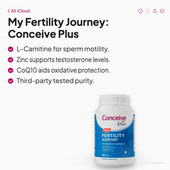
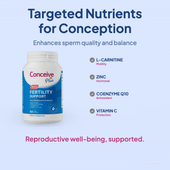
Conceive Plus Men's Fertility Support
Designed to support healthy sperm production, motility, and overall male reproductive health with clinically studied nutrients.
Shop Now →Q: Can you ovulate earlier than expected?
A: Yes, you can absolutely ovulate earlier than expected. While the American Society for Reproductive Medicine (ASRM) notes that ovulation typically occurs around day 14 of a 28-day cycle, cycle length and ovulation timing vary significantly among individuals. Factors like stress, illness, hormonal fluctuations, intense exercise, and significant weight changes can all trigger earlier ovulation. Some women naturally have shorter cycles, meaning ovulation occurs as early as day 10 or 11. Understanding your unique ovulation pattern through tracking methods like basal body temperature or ovulation predictor kits can help you identify when this occurs for your body.
Q: Can early ovulation lead to pregnancy?
A: Absolutely—early ovulation can definitely lead to pregnancy. If sperm is present in the reproductive tract when early ovulation occurs, fertilization can happen successfully, just as it would with ovulation at the expected time. The key factor for conception is whether viable sperm meets a healthy egg, regardless of whether that egg is released on day 12 or day 16 of your cycle. Many women who ovulated early and got pregnant had successfully conceived simply because intercourse timing aligned with their earlier-than-expected ovulation. This is why couples trying to conceive benefit from understanding their individual ovulation patterns rather than relying solely on average cycle day predictions.
Q: Can ovulation happen early in your cycle?
A: Yes, ovulation can happen early in your cycle, typically between days 10-12 for some individuals, compared to the often-cited day 14 average. Early ovulation is more common than many people realize—studies show that cycle variability is significant, with ovulation occurring within a 6-day window in many women. Conditions like polycystic ovary syndrome (PCOS), thyroid disorders, or hormonal imbalances can contribute to early ovulation. If you're trying to conceive, tracking your cycle for several months can reveal whether you're an early ovulator, allowing you to time intercourse more effectively and potentially combine natural fertility practices with supplements like Conceive Plus that support reproductive health.
Q: What causes early ovulation?
A: Early ovulation can be triggered by several factors, including elevated stress levels, sudden illness or fever, intense physical exercise, significant weight loss, and hormonal imbalances. Environmental changes, travel across time zones, and disrupted sleep patterns can also influence the timing of the luteinizing hormone (LH) surge that triggers ovulation. Additionally, certain medications and supplements may affect ovulation timing. If you consistently ovulate early, it's worth discussing with your healthcare provider to rule out underlying conditions and to develop a personalized conception strategy. Maintaining overall reproductive health through proper nutrition, stress management, and supplements designed to support fertility can help optimize your cycle.
Q: Does early ovulation affect egg quality or fertility?
A: Early ovulation itself does not inherently affect egg quality—what matters most is whether the egg is mature and healthy when released. The real concern isn't timing but rather ensuring the egg has fully developed before ovulation occurs. According to fertility research, egg quality is primarily determined by age, genetics, and overall health rather than whether ovulation happens on day 12 or day 14. However, consistently very early ovulation (before day 10) might indicate hormonal issues worth investigating with a fertility specialist. Supporting your reproductive health through adequate nutrition, prenatal vitamins, and products like Conceive Plus can help ensure optimal conditions for both ovulation and conception, regardless of when in your cycle it occurs.
Trusted by Couples in Over 70 Countries
Support Male Fertility From the Inside Out
Male fertility is just as important as female fertility in the conception journey. Conceive Plus Men's range delivers targeted nutritional support to promote healthy sperm and overall reproductive wellbeing.
Shop Men's Range →