Understanding Spotting After Positive Pregnancy Test and Bleeding Risks
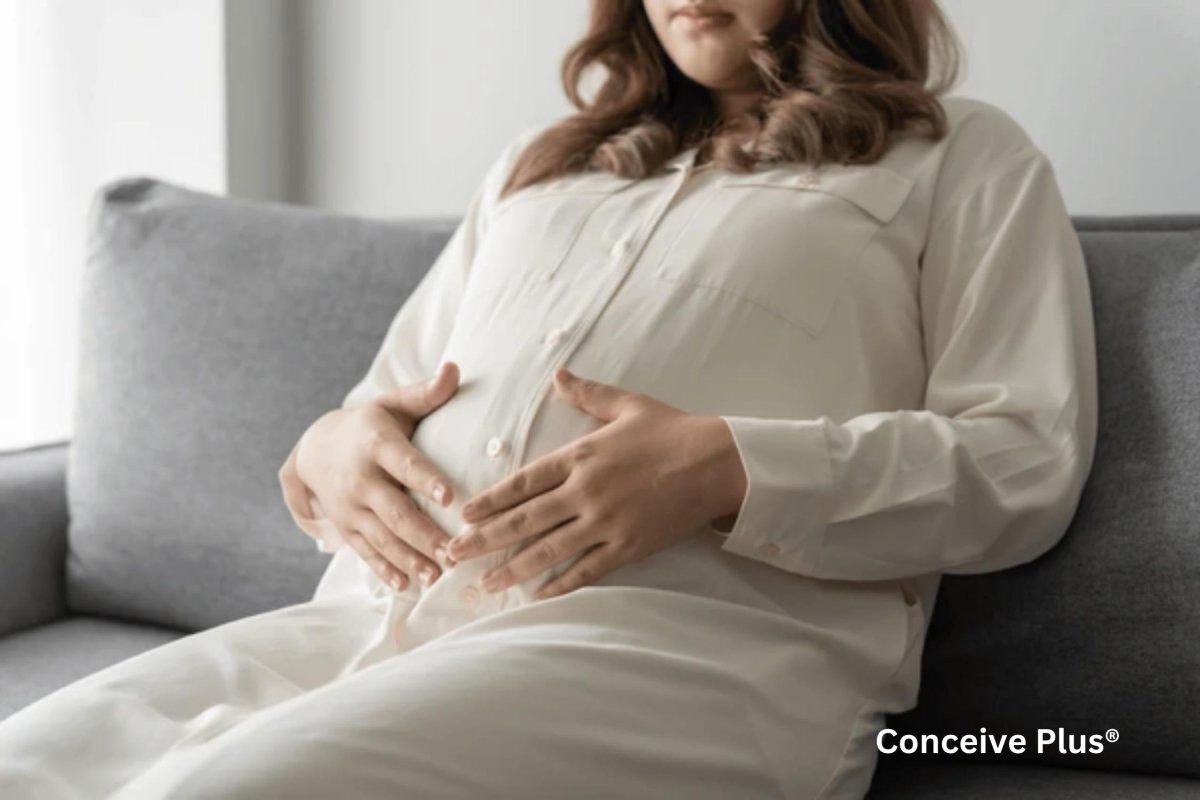

Getting a positive pregnancy test and bleeding at the same time can make you feel a mix of emotions. It’s natural to feel both excited and worried. Spotting or light bleeding is pretty common in early pregnancy, but understanding what’s normal and what’s not can really help ease your mind. For those using contraception, recognizing early signs of pregnancy on birth control can be especially confusing. Let’s break it all down, step by step.
Why Spotting or Bleeding Happens in Early Pregnancy
Spotting or bleeding in early pregnancy can happen for many reasons. Sometimes, it’s completely harmless. Other times, it could be a sign of something more serious. It’s important to keep track of what’s going on and talk to your doctor if you’re concerned, as it could also be one of the hidden pregnancy signs.
Implantation Bleeding
One common reason for spotting after positive pregnancy test is implantation bleeding. This happens when the fertilized egg attaches to the uterine lining, which can disturb tiny blood vessels. The result? A little bit of light spotting. It’s usually pink or brown and doesn’t last long—maybe a day or two [1].
Tip: If you notice light spotting with mild cramping, it’s often nothing to worry about, but keeping your doctor in the loop is always a good idea.

Not All Bleeding Means the Same Thing
Bleeding doesn’t always mean implantation. There are other reasons too, and not all are harmless.
Hormonal changes early in pregnancy might cause spotting. The cervix also becomes more sensitive due to increased blood flow. This means even something like sex or a pelvic exam can cause light bleeding [2].
But sometimes, positive pregnancy test bleeding can be a red flag. A miscarriage might start with heavier bleeding, clots, and cramping. Another serious cause could be an ectopic pregnancy, where the fertilized egg implants outside the uterus. This is rare but needs urgent medical attention [3].
Tip: If you see blood, try to note the color, how much, and how long it lasts. These details can really help your doctor figure out what’s going on.

What Does Pregnancy Spotting Look Like?
Spotting in pregnancy isn’t the same for everyone. For some, it’s just a faint pink or brown stain. Others might see bright red blood, which can be more concerning [4]. If there are clots or it’s heavy, call your doctor right away.
Some Common Causes of Early Pregnancy Bleeding
Cervical polyps, which are harmless growths on the cervix, can cause bleeding. If you’ve had sex or a pelvic exam, you might notice some light spotting afterward because of this [5].
Infections, like UTIs or STIs, can also be to blame. They’re treatable, but it’s important to catch them early for your health and the baby’s.
Subchorionic hemorrhage is another possible reason. This happens when blood pools between the uterine wall and the placenta. It can cause spotting but usually resolves on its own [6].

✨ Think You Might Be Pregnant?
Get fast, accurate results up to 6 days before your missed period with our early detection pregnancy test.
Shop Now — $9.80✓ Free shipping on orders over $40 | ✓ Trusted by millions of couples worldwide
Supporting Your Body for a Healthy Pregnancy
Certain vitamins and nutrients can make a big difference when it comes to fertility and a healthy pregnancy. Folic acid is crucial for preventing neural tube defects and helping cells grow. Vitamin D and magnesium are great for balancing hormones. Iron and zinc help keep your blood and cells healthy, which is super important for your growing baby. L-arginine can even boost blood flow to your reproductive organs.
Starting on prenatal vitamins early is one of the best things you can do to prepare your body for pregnancy [7].

When to See Your Doctor
Spotting can be normal, but there are times when you should call your doctor right away. If the bleeding is heavy, soaking through pads, or you have severe pain in your abdomen or shoulders, don’t wait. Also, dizziness, fainting, or a fever should always be checked out.
Your doctor might do an ultrasound or blood tests to figure out the cause and guide you on what to do next [8].
The Bottom Line
Seeing a positive pregnancy test and bleeding together can feel confusing and scary, but it’s not always bad news. Many women who experience spotting in early pregnancy go on to have healthy babies. The key is to pay attention to your symptoms, take care of yourself, and get medical advice when you need it. Preparing your body with the right nutrients and vitamins can also make a big difference for a healthy pregnancy [9].
FAQs
Is spotting after positive pregnancy test normal?
Yes, it can be normal. Things like implantation bleeding or a sensitive cervix might cause it, but it’s always best to check with your doctor.
How long does implantation bleeding last?
It usually lasts a few hours to two days and is very light.
What does early pregnancy spotting look like?
It’s often light pink or brown. Bright red spotting should be reported to your doctor.
Can stress cause spotting during pregnancy?
Stress doesn’t directly cause spotting, but it can throw off hormones, which might lead to light bleeding.
Should I stop working out if I see spotting?
Avoid heavy exercise if you notice spotting and talk to your doctor about what’s safe for you.
Citations
- Ananth, C. V., & Savitz, D. A. (1994). Vaginal bleeding and adverse reproductive outcomes: a meta-analysis. Paediatric and perinatal epidemiology. Available at: https://pubmed.ncbi.nlm.nih.gov/8153019/
- Coomarasamy, A., Devall, A. J., Cheed, V., Harb, H., Middleton, L. J., Gallos, I. D., Williams, H., Eapen, A. K., Roberts, T., Ogwulu, C. C., Goranitis, I., Daniels, J. P., Ahmed, A., Bender-Atik, R., Bhatia, K., Bottomley, C., Brewin, J., Choudhary, M., Crosfill, F., Deb, S., … Jurkovic, D. (2019). A Randomized Trial of Progesterone in Women with Bleeding in Early Pregnancy. The New England journal of medicine. Available at: https://pubmed.ncbi.nlm.nih.gov/31067371/
- Larraín, D., & Caradeux, J. (2024). β-Human Chorionic Gonadotropin Dynamics in Early Gestational Events: A Practical and Updated Reappraisal. Obstetrics and gynecology international. Available at: https://pmc.ncbi.nlm.nih.gov/articles/PMC10940029/
- Bennett, G. L., Bromley, B., Lieberman, E., & Benacerraf, B. R. (1996). Subchorionic hemorrhage in first-trimester pregnancies: prediction of pregnancy outcome with sonography. Radiology. Available at: https://pubmed.ncbi.nlm.nih.gov/8756935/
- Tanos, V., Berry, K. E., Seikkula, J., Abi Raad, E., Stavroulis, A., Sleiman, Z., Campo, R., & Gordts, S. (2017). The management of polyps in female reproductive organs. International journal of surgery (London, England). Available at: https://pubmed.ncbi.nlm.nih.gov/28483662/
- Scholl, T. O., & Johnson, W. G. (2000). Folic acid: influence on the outcome of pregnancy. The American journal of clinical nutrition. Available at: https://pubmed.ncbi.nlm.nih.gov/10799405/
- Thorne-Lyman, A., & Fawzi, W. W. (2012). Vitamin D during pregnancy and maternal, neonatal and infant health outcomes: a systematic review and meta-analysis. Paediatric and perinatal epidemiology. Available at: https://pubmed.ncbi.nlm.nih.gov/22742603/
- Eddleman, K. A., Malone, F. D., Sullivan, L., Dukes, K., Berkowitz, R. L., Kharbutli, Y., Porter, T. F., Luthy, D. A., Comstock, C. H., Saade, G. R., Klugman, S., Dugoff, L., Craigo, S. D., Timor-Tritsch, I. E., Carr, S. R., Wolfe, H. M., & D'Alton, M. E. (2006). Pregnancy loss rates after midtrimester amniocentesis. Obstetrics and gynecology. Available at: https://pubmed.ncbi.nlm.nih.gov/17077226/
- Rasmussen, K. M., Yaktine, A. L., & Institute of Medicine (US) and National Research Council (US) Committee to Reexamine IOM Pregnancy Weight Guidelines (Eds.). (2009). Weight Gain During Pregnancy: Reexamining the Guidelines. National Academies Press (US). Available at: https://pubmed.ncbi.nlm.nih.gov/20669500/
🌱 Get Answers Early
Millions of women trust Conceive Plus for their fertility journey. Clinically validated pregnancy tests delivered to your door.
Shop Pregnancy Tests →Frequently Asked Questions
Recommended by Fertility Experts
Conceive Plus Fertility Supplements
Science-backed vitamins and supplements expertly formulated to nourish your body and support reproductive health at every stage.
Shop Now →Q: Is it normal to bleed after a positive pregnancy test?
A: Light spotting or bleeding in early pregnancy affects approximately 20-25% of pregnant individuals, according to the American College of Obstetricians and Gynecologists (ACOG). Spotting can occur due to implantation bleeding, cervical changes, or hormonal fluctuations and is often considered normal. However, heavy bleeding, severe cramping, or bleeding that lasts more than a few days warrants immediate contact with your healthcare provider. If you experience concerning symptoms, your doctor can perform an ultrasound to confirm fetal viability and rule out complications like miscarriage or ectopic pregnancy.
Q: Can you have a positive pregnancy test and still miscarry?
A: Yes, miscarriage can occur even after a positive pregnancy test, with approximately 10-20% of clinically recognized pregnancies ending in miscarriage according to the American Society for Reproductive Medicine (ASRM). Early miscarriage, particularly in the first trimester, is often caused by chromosomal abnormalities and is not preventable through lifestyle changes. Warning signs include heavy vaginal bleeding (soaking through pads), severe abdominal pain, and passing tissue. If you suspect a miscarriage, contact your healthcare provider or emergency room immediately for evaluation and guidance on next steps.
Q: What's the difference between implantation bleeding and a period after a positive test?
A: Implantation bleeding occurs 6-12 days after ovulation when the embryo attaches to the uterine lining, while a period after a positive pregnancy test is unusual and may indicate a chemical pregnancy or miscarriage. Implantation bleeding is typically light pink or brown, lasts 1-3 days, and involves minimal flow—often just spotting that doesn't fill a pad. If you have a confirmed positive pregnancy test followed by heavy menstrual-like bleeding, contact your doctor to determine whether the pregnancy is viable, as this could indicate complications requiring medical attention.
Q: Is spotting in early pregnancy a sign of miscarriage?
A: Spotting alone is not necessarily a sign of miscarriage, as many individuals with spotting in early pregnancy continue to have healthy pregnancies. According to research, about half of those who experience first-trimester spotting do not miscarry. However, certain warning signs—such as heavy bleeding (soaking through pads), severe cramping, dizziness, shoulder pain, or the passage of tissue—may indicate miscarriage or other complications requiring emergency care. Your healthcare provider can perform an ultrasound and hormone level tests to assess fetal viability and provide appropriate guidance based on your individual situation.
Q: Should I be concerned about bleeding if I got pregnant while on birth control?
A: Breakthrough bleeding is common when taking hormonal birth control, but if you have a positive pregnancy test, any bleeding should be evaluated by your healthcare provider to determine its cause. Some contraceptive failures may result in ectopic pregnancy or other complications, which require urgent medical assessment. Approximately 1-9 out of 100 people become pregnant each year while using birth control, depending on the method, so it's important to confirm the location and viability of your pregnancy through ultrasound. Your doctor may recommend maintaining optimal reproductive health going forward, which includes proper supplementation—many fertility-focused brands like Conceive Plus offer prenatal vitamins designed to support early pregnancy health.
Trusted by Couples in Over 70 Countries
Nourish Your Fertility With Science-Backed Supplements
The right nutrients at the right time can make a meaningful difference. Conceive Plus fertility supplements are expertly formulated with vitamins, minerals, and botanicals to support reproductive health for both men and women.
Shop Fertility Supplements →