Pregnant Couple Tips: Working Together for a Healthy Pregnancy


Pregnancy is a delicate process that requires proper care, attention, and support to ensure the health and well-being of both the mother and the baby. A pregnant couple should focus on a balanced diet and healthy lifestyle of the expectant to support pregnant time.
Small steps like eating nutritious food, staying active, and attending doctor's appointments together can make a significant difference. Emotional support is equally important, but many couples overlook it. In this article, we will study things a pregnant couple should do to support a healthy and easy pregnancy.

Things a Pregnant Couple Should Do
Pregnancy brings many physical and emotional challenges for a woman [1]. Both partners need to work as a team to create a healthy and nurturing environment for the baby. The following steps can help couples effectively deal with the delicate process of pregnancy:
-
Attend Regular Prenatal Checkups
Many women believe that they don't need to go for a checkup during pregnancy unless they notice concerning symptoms. However, regular checkups with a healthcare provider are essential throughout the pregnancy.
These appointments allow the doctor to monitor the health of the mother and baby. Important milestones such as ultrasounds and screenings help in the early detection of potential issues [2]. Keep in mind that early detection of pregnancy issues allows for better management and reduced chances of complications.
Experts recommend one prenatal visit every four weeks during weeks 4 to 28, every two weeks from weeks 28 to 36, and weekly from weeks 36 to 40 [3].
-
Focus on Healthy Eating Habits
Studies show that the nutritional demands of pregnant women increase significantly to support pregnancy-related changes in the body [4]. A pregnant woman requires nutrients like folic acid, iron, calcium, iodine, and vitamin D to facilitate the healthy growth and development of the child and to support her own health and wellbeing.
You can obtain these nutrients by incorporating plenty of fruits, vegetables, whole grains, and lean proteins into your diet. Also, it is equally important to avoid harmful foods like processed meat and unpasteurized dairy. Proper hydration is also an essential factor to consider in supporting pregnancy-related changes in the body.
-
Consider Prenatal Supplements
A balanced diet should be your first approach to obtaining the essential nutrients for pregnancy. However, it is important to understand the fact that even a balanced diet may not be sufficient to meet the increased nutritional demands of the pregnancy [5].

✨ Trying to Conceive?
Our Ovulation & Fertility Bundle combines Myo-Inositol with essential vitamins to support healthy hormone balance and regular ovulation.
Shop Now — $55.00✓ Free shipping on orders over $40 | ✓ Trusted by millions of couples worldwide
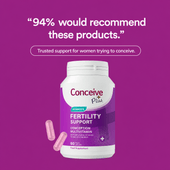
This is why prenatal supplements like Prenatal with DHA by Conceive Plus exist. Prenatal supplements give expectant mothers the key nutrients their bodies need during pregnancy. Doctors recommend these supplements to expectant mothers to avoid any nutritional deficiency that might harm the mother's health and the health of the baby.

-
Stay Physically Active
There is a big misconception among people that exercise isn't healthy for the mother and baby during pregnancy. But in reality, light activities like walking, swimming, and yoga are usually safe for most pregnant women. Moderate exercises help improve circulation, reduce stress, and prepare the body for labor.
We recommend you avoid high-risk activities and consult your healthcare provider to inquire about safe exercise for you, depending on your pregnancy stage and overall health.
-
Prioritize Emotional Well-being
Many couple pregnant ignore the emotional aspect of pregnancy, not realizing its impact on the mother and the baby. Hormonal changes during pregnancy make this journey an emotional rollercoaster for the expectant mother.
In such a phase, open communication and talking about your feelings with your partner helps. You can also spend your time in relaxing activities like meditation, reading, or listening to music. If you feel the need, especially when stress and anxiety become overwhelming, seek help from a counselor.
-
Prepare for the Baby’s Arrival
Preparing for your baby’s arrival is an exciting time in any couple's lives. Set up the nursery with essentials like a crib, diapers, and clothes, and take time to read about childbirth and baby care.
Attend all prenatal check-ups and talk to your doctor if you have any questions or concerns. Stay positive and excited, as your baby’s arrival will be a moment you’ll cherish forever.
Role of Friends and Family
Family and friends can also play an important role during pregnancy by providing emotional support and helping with daily tasks. They can offer encouragement and reassurance, which significantly helps reduce stress during the pregnancy.
Their presence can help with preparing the home, attending appointments, and ensuring the expectant mother feels loved and cared for, which promotes both physical and emotional well-being.

The Bottom Line
Pregnancy is a special time for any couple, and it requires special care, attention, and teamwork. By attending regular checkups, eating a healthy diet, staying active, and prioritizing emotional well-being, a pregnant couple can create a positive environment for the growth and development of the baby.
It is not just for the baby in the womb; preparing for pregnancy can also support the physical and mental health and wellbeing of the mother. Most importantly, supporting each other and preparing for the baby’s arrival together strengthens the bond between partners.
Resources Used
- Kepley, J. M., Bates, K., & Mohiuddin, S. S. (2023, March 12). Physiology, maternal changes. StatPearls - NCBI Bookshelf. https://www.ncbi.nlm.nih.gov/books/NBK539766/
- Healthdirect Australia. (2024, April 11). Ultrasound scans during pregnancy. Benefits, About | Pregnancy Birth and Baby. https://www.pregnancybirthbaby.org.au/ultrasound-scan
- Clinic, C. (2024, June 27). Pregnant? Here’s how often you’ll likely see your doctor. Cleveland Clinic. https://health.clevelandclinic.org/prenatal-appointment-schedule
- Marshall, N. E., Abrams, B., Barbour, L. A., Catalano, P., Christian, P., Friedman, J. E., Hay, W. W., Hernandez, T. L., Krebs, N. F., Oken, E., Purnell, J. Q., Roberts, J. M., Soltani, H., Wallace, J., & Thornburg, K. L. (2021). The importance of nutrition in pregnancy and lactation: lifelong consequences. American Journal of Obstetrics and Gynecology, 226(5), 607–632. https://doi.org/10.1016/j.ajog.2021.12.035
- Ward, E. (2014b). Addressing nutritional gaps with multivitamin and mineral supplements. Nutrition Journal, 13(1). https://doi.org/10.1186/1475-2891-13-72
🌱 Support Your Fertility Journey
Conceive Plus fertility supplements are clinically formulated to help regulate your cycle and support egg quality.
Shop Fertility Support →Frequently Asked Questions
Recommended by Fertility Experts
Conceive Plus Men's Fertility Support
Designed to support healthy sperm production, motility, and overall male reproductive health with clinically studied nutrients.
Shop Now →Q: What should couples do to prepare for a healthy pregnancy?
A: The American Society for Reproductive Medicine (ASRM) recommends that both partners focus on preconception health at least three months before attempting pregnancy. This includes maintaining a healthy weight, eating a balanced diet rich in prenatal vitamins with folic acid, exercising regularly, and reducing stress together. Both partners should also schedule preconception appointments with their healthcare providers to address any medical conditions, review medications, and discuss lifestyle factors that may impact fertility and pregnancy health. Taking supplements like Conceive Plus, which contain scientifically-studied ingredients, can support reproductive health alongside these foundational practices.
Q: How can partners support each other emotionally during pregnancy?
A: Emotional support during pregnancy is critical, as research shows that women with strong partner involvement experience lower rates of postpartum depression and anxiety. Partners should attend prenatal appointments together, educate themselves about pregnancy changes, and actively listen to concerns without judgment. Creating open communication about fears, expectations, and physical changes helps couples navigate the nine-month journey as a team. Simple gestures like helping with household tasks, offering reassurance, and participating in prenatal classes strengthen the emotional bond and prepare both partners for parenthood.
Q: What nutrition should couples focus on during pregnancy?
A: The FDA and CDC recommend that pregnant women consume 400-800 micrograms of folic acid daily to prevent neural tube defects, along with adequate iron, calcium, and protein for fetal development. Both partners should prioritize whole foods including lean proteins, leafy greens, dairy products, and whole grains while limiting processed foods and caffeine. Partners can support this by making nutritious meals together and eliminating unhealthy foods from the household, creating an environment where healthy eating becomes easier for the expectant mother. Prenatal vitamins, often combined with fertility supplements like Conceive Plus taken during the conception phase, provide essential micronutrients that support both maternal health and fetal development.
Q: How often should pregnant couples attend doctor's appointments?
A: Standard prenatal care in the US includes monthly appointments during the first two trimesters, then biweekly visits in the third trimester, with weekly visits during the final month before delivery. Both partners should attend these appointments together when possible, as research shows increased partner involvement correlates with better pregnancy outcomes and reduced maternal stress. During these visits, healthcare providers monitor fetal development, maternal blood pressure and weight, and screen for potential complications like gestational diabetes. Attending appointments as a team helps both partners understand the pregnancy's progress and prepares them for labor and delivery decisions.
Q: What lifestyle changes should couples make when planning and during pregnancy?
A: Both partners should eliminate smoking, reduce alcohol consumption, and avoid illicit drugs, as these substances can affect fertility and fetal development according to CDC guidelines. Exercise is beneficial for both partners—the expectant mother should aim for 150 minutes of moderate-intensity activity weekly, while partners can exercise alongside her for shared health benefits and encouragement. Couples should also prioritize sleep (7-9 hours nightly), manage stress through meditation or counseling, and reduce environmental toxins in the home. Starting with preconception supplements and maintaining healthy habits creates a foundation that benefits both conception and pregnancy outcomes.
Trusted by Couples in Over 70 Countries
Support Male Fertility From the Inside Out
Male fertility is just as important as female fertility in the conception journey. Conceive Plus Men's range delivers targeted nutritional support to promote healthy sperm and overall reproductive wellbeing.
Shop Men's Range →