Prenatal Vitamins Before Pregnancy: When to Start and What to Take


Prenatal Vitamins Before Pregnancy: When to Start and What to Take
Starting prenatal vitamins before pregnancy is one of the most impactful decisions you can make on your fertility journey. Most couples focus on timing intercourse and tracking ovulation, yet overlook the foundational step that sets the stage for a healthy conception and pregnancy. Taking the right nutrients at the right time can meaningfully improve egg quality, support hormonal balance, and reduce the risk of early pregnancy complications — including neural tube defects that form within the first 28 days, often before a woman even knows she is pregnant.
In this comprehensive guide, we break down everything you need to know about prenatal vitamins before pregnancy: when to start, which nutrients matter most, how to choose the best formulation, and how Conceive Plus can support your TTC journey from day one.
Why Prenatal Vitamins Before Pregnancy Matter
The standard advice to start a prenatal vitamin as soon as you get a positive pregnancy test is outdated. Research consistently shows that nutrient status at the time of conception — and in the weeks before — has a profound effect on outcomes. According to the Centers for Disease Control and Prevention (CDC), up to 50% of pregnancies in the US are unplanned, making it even more critical for women of reproductive age to maintain optimal nutrient levels at all times.
Egg maturation (folliculogenesis) takes approximately 90 days. This means the egg that becomes your baby was developing for three months before ovulation. What you eat and supplement during that period directly influences egg quality, mitochondrial function, and chromosomal integrity. Similarly, sperm take about 74 days to mature — so prenatal vitamins before pregnancy benefit both partners.
Key outcomes supported by pre-pregnancy supplementation include:
- Reduced risk of neural tube defects (NTDs) such as spina bifida and anencephaly
- Lower risk of preterm birth and low birth weight
- Improved implantation success by supporting uterine lining quality
- Reduced risk of miscarriage, particularly in early pregnancy
- Better hormonal balance to support regular ovulation cycles
When to Start Prenatal Vitamins Before Pregnancy
Ready to support your fertility journey? Discover Conceive Plus.
Shop Conceive Plus →The gold standard recommendation from obstetric organizations worldwide — including ACOG (American College of Obstetricians and Gynecologists) — is to begin prenatal vitamins before pregnancy, ideally at least 3 months (one full quarter) before you start trying to conceive. Some fertility specialists recommend starting 6 months in advance for women over 35, those with irregular cycles, or those with known nutritional deficiencies.
Here is a practical timeline:
- 6+ months before TTC: Ideal for women over 35, those with PCOS, endometriosis, thyroid conditions, or prior pregnancy loss. Allows time to address deficiencies identified through blood tests.
- 3 months before TTC: The minimum recommended window. Covers the full egg maturation cycle and allows folate stores to reach protective levels.
- 1 month before TTC: Still beneficial, particularly for folic acid's neural tube protection, but leaves less time for deeper nutrient optimization.
- As soon as you decide to TTC: Better than waiting. Starting immediately when you make the decision is always the right move.
For men, the same 3-month window applies. Sperm quality — including count, motility, and morphology — responds to nutritional support, but the effects take approximately 74 days to manifest in fresh sperm.
The Most Important Nutrients in Prenatal Vitamins Before Pregnancy
Not all prenatal vitamins are created equal. Understanding the key nutrients and their optimal forms helps you choose a supplement that actually works.
Folate vs. Folic Acid: A Critical Distinction
Folic acid is the synthetic form of vitamin B9, while folate (particularly methylfolate, or 5-MTHF) is the bioactive form your body uses directly. Approximately 40–60% of people carry a variant of the MTHFR gene that reduces their ability to convert folic acid into usable folate by up to 70%. For these individuals, a supplement containing methylfolate is far more effective than standard folic acid.
The recommended daily intake for women planning to conceive is 400–800 mcg of folate equivalents. Women with a prior NTD-affected pregnancy may need 4,000 mcg under medical supervision.
Iron
Iron is essential for red blood cell production and oxygen transport to the developing embryo. Iron deficiency anemia is one of the most common nutritional deficiencies in women of reproductive age and is associated with increased risk of preterm birth and low birth weight. The recommended daily intake during pregnancy is 27 mg, significantly higher than the standard 18 mg for non-pregnant women.
Vitamin D3
Vitamin D plays a pivotal role in fertility and early pregnancy. Research published in the American Journal of Clinical Nutrition found that women with sufficient vitamin D levels had significantly higher IVF success rates than those who were deficient. Vitamin D is involved in follicular development, implantation, and immune tolerance of the embryo. The optimal blood level for fertility is generally considered to be 40–60 ng/mL, but deficiency is extremely common — affecting an estimated 42% of American adults.
Omega-3 Fatty Acids (DHA/EPA)
DHA (docosahexaenoic acid) is the primary structural fat in the fetal brain and retina, and its accumulation during pregnancy is critical. Omega-3s also reduce inflammation, support hormonal balance, and may improve egg quality. Many prenatal vitamins before pregnancy now include at minimum 200 mg of DHA. Look for formulations that include both DHA and EPA from algae oil (vegan) or fish oil.
Choline
Often overlooked, choline is essential for neural tube development and placental function. It works synergistically with folate. The adequate intake for pregnant women is 450 mg/day, yet the average American diet provides only about 300 mg. Many prenatal vitamins do not include choline, making it worth checking labels carefully.
Iodine
Iodine is required for thyroid hormone production, and adequate thyroid function is critical for ovulation, implantation, and fetal brain development. The World Health Organization (WHO) recommends 250 mcg/day during pregnancy and lactation. Yet iodine deficiency remains common globally, including in the US.
Coenzyme Q10 (CoQ10)
CoQ10 is a powerful antioxidant and mitochondrial cofactor that plays a unique role in egg quality. Mitochondria in eggs produce the energy needed for fertilization, cell division, and early embryo development. CoQ10 levels naturally decline with age, which is part of why egg quality decreases after 35. Clinical studies have shown that supplementation with CoQ10 (200–600 mg/day) can improve ovarian response and egg quality in women undergoing IVF, and may benefit anyone trying to conceive naturally.
Zinc and Selenium
Zinc supports progesterone production and is essential for cell division. Selenium is a potent antioxidant that protects eggs and sperm from oxidative damage. Both minerals are commonly low in modern diets and are important inclusions in prenatal vitamins before pregnancy.
Prenatal Vitamins TTC: What to Look for on the Label
When comparing prenatal vitamins TTC options, use this checklist:
- ✅ Methylfolate (5-MTHF) rather than folic acid alone — at least 400 mcg, ideally 800 mcg
- ✅ Chelated or food-form minerals (magnesium glycinate, iron bisglycinate) for better absorption
- ✅ Vitamin D3 (cholecalciferol), not D2 — minimum 1,000 IU, ideally 2,000 IU
- ✅ DHA — at least 200 mg
- ✅ Choline — aim for 150–450 mg
- ✅ Iodine — 150–250 mcg
- ✅ B12 as methylcobalamin (bioactive form)
- ✅ No artificial dyes, fillers, or allergens
- ✅ Third-party tested for purity and potency
Avoid prenatal vitamins that lead with calcium — large doses of calcium compete with iron absorption when taken together, reducing the effectiveness of both. Many superior formulations now separate these or balance amounts thoughtfully.
Conceive Plus: The Best Prenatal Vitamins for Conception
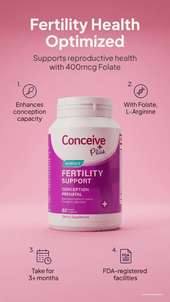
Conceive Plus has developed its prenatal supplementation line specifically for the pre-conception window — recognizing that the nutritional needs of women and men trying to conceive differ from those of pregnant women already in their second trimester. Conceive Plus fertility supplements are formulated with the active forms of key nutrients, including methylfolate rather than folic acid, and include CoQ10 for mitochondrial support — a nutrient rarely found in conventional prenatal vitamins.
Conceive Plus Women's Fertility Support provides a comprehensive blend of the vitamins, minerals, and antioxidants most critical during the TTC phase. Each batch is third-party tested for purity and potency, and the capsules are designed for easy digestion, even on an empty stomach.
Conceive Plus Men's Fertility Support addresses the often-neglected male side of the equation, with zinc, selenium, L-carnitine, CoQ10, and B vitamins to support sperm count, motility, and morphology — all of which take approximately 3 months to improve with targeted supplementation.
Together, the Conceive Plus his-and-hers fertility supplement system covers both partners from a single trusted brand with a track record of helping couples conceive.
Special Populations: Tailoring Prenatal Vitamins Before Pregnancy
Women Over 35
Egg quality declines significantly after 35, driven largely by increased oxidative damage and declining mitochondrial function. Women in this age group benefit most from higher doses of CoQ10 (400–600 mg), additional antioxidants (vitamin C, vitamin E, alpha lipoic acid), and starting supplementation 6 months before TTC. Some functional medicine practitioners also recommend DHEA under medical supervision for women with diminished ovarian reserve.
Women with PCOS
PCOS is associated with insulin resistance, elevated androgens, and chronic inflammation — all of which affect ovulation and egg quality. Inositol (specifically myo-inositol and D-chiro-inositol in a 40:1 ratio) has been extensively studied in women with PCOS and shown to improve ovulation rates, insulin sensitivity, and egg quality. Look for Conceive Plus PCOS support formulations that include inositol alongside folate and vitamin D.
Women with Thyroid Conditions
Hypothyroidism (underactive thyroid) is a common cause of irregular ovulation and early pregnancy loss. Ensure your prenatal vitamin includes adequate iodine and selenium to support thyroid function, and work with your OB or endocrinologist to optimize thyroid levels (TSH ideally below 2.5 mIU/L) before conception.
Vegans and Vegetarians
Plant-based diets can be deficient in vitamin B12, vitamin D, DHA, iron, zinc, and iodine. Choose a prenatal vitamin specifically formulated for vegans, with B12 as methylcobalamin and DHA from algae oil rather than fish. Conceive Plus offers vegan-certified capsule options.
Can You Take Too Many Prenatal Vitamins?
While deficiency is far more common than toxicity, certain fat-soluble vitamins — particularly vitamin A (as retinol) — can cause harm in very high doses. Pregnant women should not exceed 10,000 IU of preformed vitamin A daily; most quality prenatal vitamins use beta-carotene (provitamin A) instead, which the body converts only as needed. Iron in excess can cause gastrointestinal distress and, in rare cases, toxicity. Always take supplements as directed and consult with a healthcare provider before adding high-dose individual supplements to a prenatal regimen.
Combining Prenatal Vitamins with Lifestyle Changes
Prenatal vitamins before pregnancy are most effective as part of a broader fertility-supportive lifestyle. Consider pairing supplementation with:
- Diet: A Mediterranean-style diet rich in leafy greens, legumes, whole grains, fatty fish, nuts, and olive oil has the strongest evidence base for improving fertility outcomes.
- Exercise: Moderate physical activity (30 minutes, 5 days per week) improves insulin sensitivity, reduces stress, and supports hormonal balance. Avoid extreme endurance training, which can suppress ovulation.
- Sleep: Melatonin, a hormone also produced in ovarian follicles, is disrupted by poor sleep and artificial light exposure. Consistent sleep of 7–9 hours supports both hormonal balance and egg quality.
- Stress management: Chronic stress elevates cortisol, which can suppress GnRH release and disrupt the hormonal cascade needed for ovulation. Mind-body practices such as yoga, meditation, and acupuncture have documented benefits for fertility.
- Avoiding environmental toxins: BPA, phthalates, pesticides, and heavy metals can act as endocrine disruptors. Choose organic produce for the "dirty dozen," use glass or stainless steel containers, and filter drinking water.
Frequently Asked Questions About Prenatal Vitamins Before Pregnancy
1. Can I use a regular multivitamin instead of a prenatal vitamin?
While a high-quality multivitamin is better than nothing, prenatal vitamins before pregnancy are specifically formulated with higher doses of folate, iron, iodine, and DHA than standard multivitamins. They are worth the investment when you are actively trying to conceive.
2. Do I need a prescription for prenatal vitamins?
No. Over-the-counter prenatal vitamins are widely available and legally sold without a prescription. Prescription prenatals typically contain higher iron doses and are often covered by insurance, but many OTC options are equally or more comprehensive in their nutrient profiles.
3. Should my partner take prenatal vitamins too?
Yes — male fertility nutrition matters equally. Men should take a targeted fertility supplement with zinc, selenium, CoQ10, L-carnitine, and B vitamins starting 3 months before TTC. Conceive Plus Men's Fertility Support is designed for exactly this purpose.
4. Can prenatal vitamins cause morning sickness?
Iron can cause nausea in some women. If this occurs, try taking your prenatal vitamin with food or at bedtime. Switching to an iron-bisglycinate formulation (gentler on the stomach) or a non-iron prenatal in the first trimester can also help.
5. How long should I take prenatal vitamins before pregnancy?
At minimum, 3 months before you start trying to conceive. In practice, many fertility specialists recommend continuing through all stages — TTC, pregnancy, and breastfeeding — as nutrient demands remain elevated throughout.
6. Do prenatal vitamins help with ovulation?
Indirectly, yes. Adequate folate, vitamin D, and B vitamins support hormonal balance, which in turn supports regular ovulation. Inositol (often added to fertility-specific prenatals) has direct evidence for improving ovulation in women with PCOS.
7. Is folic acid or folate better in prenatal vitamins?
Methylfolate (5-MTHF) is generally superior because it is the bioactive form your body uses directly, without requiring genetic conversion steps that many people cannot perform efficiently. Look for "methylfolate" or "5-MTHF" on the label rather than "folic acid."
8. Can prenatal vitamins improve egg quality?
Yes. CoQ10, antioxidants (vitamins C and E), folate, and omega-3 fatty acids all have evidence supporting improvements in egg quality. The key is starting supplementation at least 3 months before TTC, so the maturing egg cohort benefits from improved nutritional status.
9. What time of day should I take prenatal vitamins?
There is no single best time. Taking them with a meal reduces nausea risk. Some women find evening suits them better. The most important thing is consistency — take them at the same time each day to maintain steady blood levels.
10. Are gummy prenatal vitamins as effective as capsules?
Generally, no. Gummy prenatals often exclude iron (due to taste) and contain added sugars. They also have lower nutrient density. Capsule or softgel formulations allow for more comprehensive nutrient inclusion at therapeutic doses.
The Bottom Line: Start Early, Choose Wisely
Starting prenatal vitamins before pregnancy — ideally 3 to 6 months before you begin trying to conceive — is one of the highest-leverage actions you can take for fertility and a healthy pregnancy. The nutrients you supply during egg maturation, the weeks before implantation, and the earliest days of embryonic development have lasting effects that no supplement started at 6 weeks pregnant can fully replicate.
Choose a formulation that includes methylfolate rather than folic acid, active B12, vitamin D3, DHA, and key antioxidants like CoQ10. Avoid products heavy on fillers or that use poorly absorbed mineral forms. And remember — fertility is a two-person project. Both partners benefit from targeted supplementation in the months leading up to conception.
Conceive Plus has been trusted by healthcare providers and couples worldwide because it is built for exactly this pre-conception phase, with clinical-grade nutrients in bioavailable forms, and no unnecessary additives. When you're ready to give your future baby the best possible start, start here.
Start your fertility journey with Conceive Plus today.
Shop Conceive Plus →