How Pumpkin Seeds Benefits Sperm and the Best Ways to Eat Them for Male Fertility
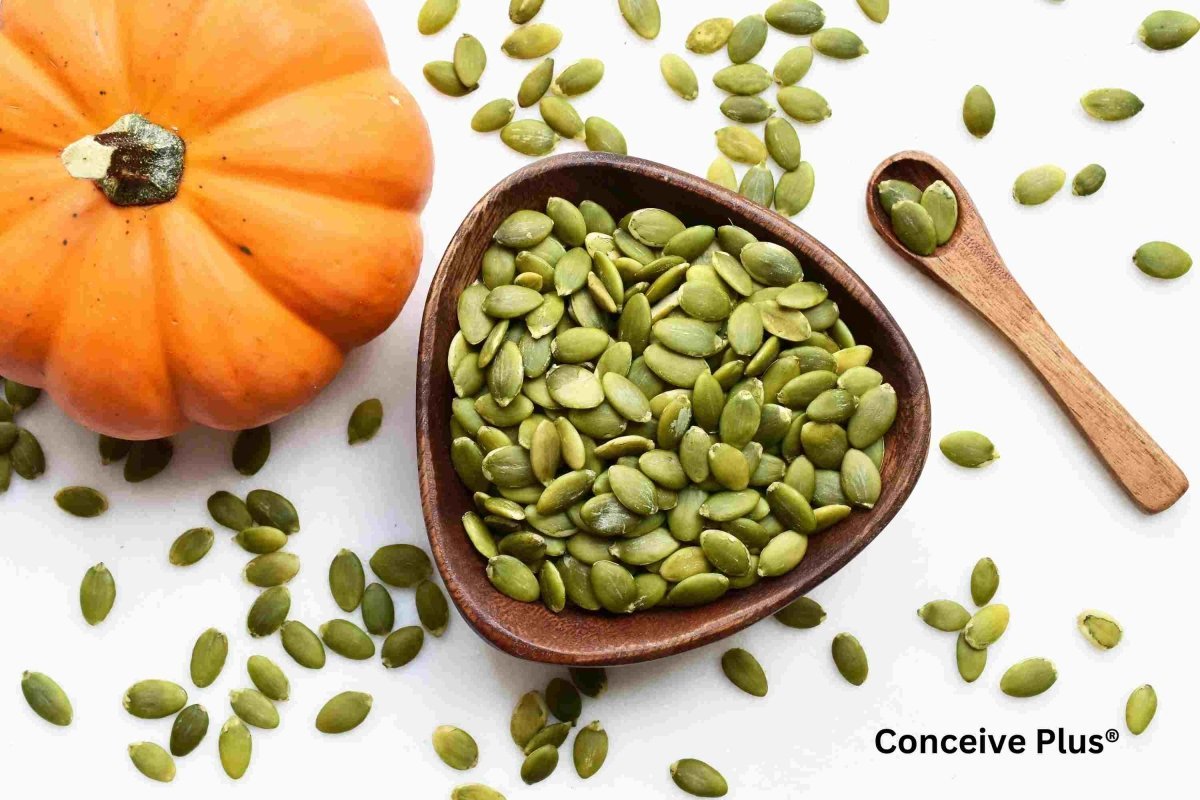

Everyone knows pumpkin seeds pack a punch, but did you know they can be a powerhouse for men's reproductive health? That's right, pumpkin seeds benefits sperm health in more ways than one. So, if you're looking for a natural way to boost fertility, these tiny seeds could be just the thing you need. Let's explore how they work and how you can easily add them into your diet.

Why Pumpkin Seeds Are Great for Male Fertility
Pumpkin seeds, often overlooked, are actually loaded with zinc, magnesium, and antioxidants—nutrients that support sperm health and male fertility. Combining pumpkin seeds with other herbs for increase sperm count can provide an added advantage in supporting male fertility.
Supports Prostate Health
First up, prostate health. A healthy prostate is key for male fertility, and pumpkin seeds can help here too. Thanks to their high zinc content, pumpkin seeds promote a healthier prostate, which plays a big role in semen production [1]. Some guys even eat these seeds to manage symptoms of Benign Prostate Hyperplasia (BPH)—a condition that can mess with urination and, ultimately, reproductive health.
Top Tip: A small handful of pumpkin seeds daily could be a simple way to keep your prostate in check. Natural and easy!
Helps Maintain Testosterone Levels
Testosterone levels matter when it comes to fertility, and that's where pumpkin seeds come in handy. They're packed with zinc and phytosterols, which help support healthy testosterone. When testosterone levels are balanced, sperm production and quality tend to improve, which is essential if you're aiming to conceive [2].
Top Tip: For even more benefits, try pairing pumpkin seeds with omega-3 rich foods like fish or walnuts. Double win.
Powerful Antioxidants for Sperm Protection
Antioxidants are all about protecting cells, and for men's fertility, this is crucial. Pumpkin seeds contain vitamin E, selenium, and other antioxidants that protect sperm cells from oxidative damage [3]. Oxidative stress can damage sperm DNA, so keeping those cells safe is a must.
Top Tip: Team up pumpkin seeds with other antioxidant-rich foods like berries or citrus fruits for a fertility-friendly snack.
Nutrient-Dense for Overall Health
Beyond just reproductive health, pumpkin seeds offer magnesium, iron, and manganese—all of which support various body functions that indirectly benefit fertility. For instance, magnesium helps with blood flow and muscle health, including smooth muscle function in the reproductive system [4]. Talk about hidden benefits.
Top Tip: Sprinkle pumpkin seeds over salads or even yogurt for a tasty nutrient boost.
Promotes Sleep and Hormone Balance

✨ Support Healthy Sperm
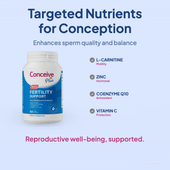
Our Motility Support supplement contains Zinc, CoQ10, and L-Carnitine — clinically studied nutrients for sperm health and motility.
Shop Now — $34.95✓ Free shipping on orders over $40 | ✓ Trusted by millions of couples worldwide
Sleep is a big deal for hormone health. Pumpkin seeds contain tryptophan, an amino acid that aids sleep quality [5]. Good sleep helps balance hormones, which, you guessed it, helps with testosterone and sperm health. Pumpkin seeds are also rich in B vitamins, which are key for energy and managing stress, both of which play a role in fertility.
Top Tip: Have a handful of pumpkin seeds in the evening to help you wind down and support hormone balance.

How to Eat Pumpkin Seeds for Male Fertility
Wondering how to eat pumpkin seeds for male fertility? It's easy, and the options are almost endless. Let's take a look at some ways to get these little seeds into your diet:
Soaked Pumpkin Seeds
Soaking pumpkin seeds overnight makes them easier to digest. Simply leave a handful in water before bed, and then eat them in the morning for an energy boost.
Smoothies
You can blend pumpkin seeds into smoothies for a nutrient-packed breakfast or snack. Combine them with bananas, spinach, or other fruits for a drink that supports sperm health.
Salad Topping
Toss pumpkin seeds on top of salads for a crunchy boost of nutrition. They work well with leafy greens, dried cranberries, and feta cheese.
Roasted Pumpkin Seeds
For a quick snack, roast pumpkin seeds with olive oil and a pinch of salt. You can even add spices like cinnamon or chili powder for extra flavor.
Top Tip: Roasted pumpkin seeds are a great snack for busy days when you're on the go.

The Bottom Line
Adding pumpkin seeds benefits sperm health and overall fertility. With essential fatty acids, zinc, and antioxidants, pumpkin seeds are an easy addition to a fertility-friendly diet. Whether you eat them raw, roasted, or in a smoothie, they're a great way to support male reproductive health naturally.
FAQs
Can I eat pumpkin seeds every day for fertility?
Yes, pumpkin seeds can be eaten daily. A small handful is all you need to get the fertility-boosting benefits.
How many pumpkin seeds should I eat for fertility?
A handful (around 1 ounce) daily is enough to get essential nutrients for sperm health.
Is it better to eat pumpkin seeds raw or roasted?
Both are beneficial. Roasting enhances flavor, but raw seeds retain slightly more nutrients.
When is the best time to eat pumpkin seeds for fertility?
Any time of day is fine, but eating them in the evening may help with sleep due to tryptophan.
Do pumpkin seeds naturally boost testosterone?
Yes, they contain zinc and phytosterols, which can support healthy testosterone levels.
Citations
- Sauer, A. K., Vela, H., Vela, G., Stark, P., Barrera-Juarez, E., & Grabrucker, A. M. (2020). Zinc Deficiency in Men Over 50 and Its Implications in Prostate Disorders. Frontiers in oncology. Available at: https://www.ncbi.nlm.nih.gov/pmc/articles/PMC7424038/
- Allouche-Fitoussi, D., & Breitbart, H. (2020). The Role of Zinc in Male Fertility. International journal of molecular sciences. Available at: https://www.ncbi.nlm.nih.gov/pmc/articles/PMC7589359/
- Su, L., Qu, H., Cao, Y., Zhu, J., Zhang, S. Z., Wu, J., & Jiao, Y. Z. (2022). Effect of Antioxidants on Sperm Quality Parameters in Subfertile Men: A Systematic Review and Network Meta-Analysis of Randomized Controlled Trials. Advances in nutrition (Bethesda, Md.). Available at: https://www.ncbi.nlm.nih.gov/pmc/articles/PMC8970840/
- Al Alawi, A. M., Majoni, S. W., & Falhammar, H. (2018). Magnesium and Human Health: Perspectives and Research Directions. International journal of endocrinology. Available at: https://www.ncbi.nlm.nih.gov/pmc/articles/PMC5926493/
- Bhat, A., Pires, A. S., Tan, V., Babu Chidambaram, S., & Guillemin, G. J. (2020). Effects of Sleep Deprivation on the Tryptophan Metabolism. International journal of tryptophan research. Available at: https://www.ncbi.nlm.nih.gov/pmc/articles/PMC7686593/
🌱 Boost Male Fertility Naturally
Conceive Plus Men's Motility Support is formulated with the nutrients that matter most for sperm quality, count, and motility.
Shop Men's Fertility →Frequently Asked Questions
Recommended by Fertility Experts
Conceive Plus Men's Fertility Support
Designed to support healthy sperm production, motility, and overall male reproductive health with clinically studied nutrients.
Shop Now →How much zinc do pumpkin seeds contain and is it enough for fertility benefits?
A single ounce (about 23 seeds) of pumpkin seeds contains approximately 2.2mg of zinc, which contributes meaningfully to the recommended daily intake of 11mg for adult men. While pumpkin seeds alone won't meet your entire daily zinc needs, they're an excellent dietary source that can be combined with other zinc-rich foods like oysters, beef, and chickpeas to support reproductive health. The American Fertility Association emphasizes that consistent, adequate zinc intake is important for maintaining healthy sperm production and testosterone levels.
Can pumpkin seeds improve sperm count and motility?
While pumpkin seeds contain nutrients like zinc and antioxidants that theoretically support sperm health, clinical evidence specifically demonstrating improved sperm count or motility from pumpkin seeds alone is limited. However, zinc deficiency is known to negatively impact sperm quality, so ensuring adequate intake through foods like pumpkin seeds may help maintain normal sperm parameters. For definitive assessment of sperm count and motility, the American Society for Reproductive Medicine (ASRM) recommends a semen analysis performed by a fertility specialist.
Are there any side effects or risks to eating large amounts of pumpkin seeds?
Pumpkin seeds are generally safe when consumed in normal dietary amounts (a handful daily), though excessive consumption may lead to digestive upset or potentially interact with certain medications due to their phytosterol content. Some individuals may experience allergic reactions, though this is rare. If you're taking blood thinners or have concerns about potential interactions with medications, consult your healthcare provider before significantly increasing pumpkin seed intake.
Should I choose raw, roasted, or sprouted pumpkin seeds for maximum fertility benefits?
Raw pumpkin seeds retain more heat-sensitive nutrients like vitamin E and some antioxidants, while lightly roasted seeds (at lower temperatures) can maintain most benefits with improved digestibility. Sprouted pumpkin seeds may enhance nutrient bioavailability, though research on this is still emerging. For optimal results, unsalted varieties are preferable since excess sodium isn't beneficial for reproductive health; choose whichever form you'll consistently eat as part of a balanced fertility diet.
How long does it typically take to see fertility improvements from eating pumpkin seeds?
Sperm production takes approximately 74 days from start to finish, so any dietary changes—including adding pumpkin seeds—typically require at least 2-3 months of consistent intake to potentially impact sperm quality. Individual results vary significantly based on baseline health, overall diet, lifestyle factors, and whether nutritional deficiencies were present initially. If you're concerned about fertility after 12 months of unprotected intercourse (or 6 months if over 35), the ASRM recommends seeing a fertility specialist for proper evaluation rather than relying solely on dietary changes.
Can women benefit from pumpkin seeds for fertility, or are they only for male fertility?
Pumpkin seeds offer general health benefits for both men and women, including magnesium, iron, and antioxidants that support overall reproductive health and hormonal balance. However, the research specifically linking pumpkin seeds to female fertility outcomes is more limited compared to male fertility studies. Women planning to conceive should focus on evidence-based preconception care recommendations from organizations like ACOG (American College of Obstetricians and Gynecologists), which includes a balanced diet rich in various whole foods of which pumpkin seeds can be a part.
Is there insurance coverage for fertility supplements or foods like pumpkin seeds?
Insurance coverage for fertility-related supplements and foods varies widely by plan and state, as most dietary supplements are not FDA-regulated as medications and thus rarely qualify for coverage. Your best option is to contact your specific insurance provider to understand what fertility treatments and evaluations are covered under your plan. Most fertility clinics in the US offer payment plans or discuss out-of-pocket costs upfront, and focusing on affordable, whole-food options like pumpkin seeds is a budget-friendly complementary approach to fertility support.
Trusted by Couples in Over 70 Countries
Support Male Fertility From the Inside Out
Male fertility is just as important as female fertility in the conception journey. Conceive Plus Men's range delivers targeted nutritional support to promote healthy sperm and overall reproductive wellbeing.
Shop Men's Range →