What Does High Fertility Mean and How Can You Spot the Signs

When you're on a journey to conceive, understanding high fertility can make a big difference. High fertility refers to the days in your cycle when your body is most ready for pregnancy. Knowing how to recognize these signs—both in women and men—can boost your chances of success. Let's explore what does it mean when your fertility is high, how to spot the signs, and what steps you can take to naturally enhance your fertility.

The Menstrual Cycle and High Fertility
To grasp the idea of high fertility meaning, let's break down the menstrual cycle. This cycle, which can last from 21 to 35 days but often averages around 28 days, is divided into two main parts: the follicular phase (the days before ovulation) and the luteal phase (the days after ovulation). Ovulation is when a mature egg is released from the ovary, typically around the middle of the cycle. The days leading up to and including ovulation are known as the "fertile window"—these are your best days for conceiving [1].
During this window, the egg is ready to be fertilized, and sperm can survive in the reproductive tract for up to five days. This overlap is what creates a period of high fertility—the prime time to try for a baby. However, factors like age, lifestyle, stress, and overall health can affect the timing and regularity of ovulation [2].
Top Tip: Track your cycle using a simple calendar or an app to better understand your fertile window.
Spotting the Signs of High Fertility in a Woman
Knowing the signs of high fertility in a woman can help you identify the best time to conceive. Here are the most common signs to watch for:
- Regular Menstrual Cycles: If your period comes like clockwork, it's a good sign that you're ovulating regularly. Keep a record of your cycle length, start and end dates, and note any irregularities. This can help you predict when you're most fertile [3].
- Changes in Cervical Mucus: As you approach ovulation, your cervical mucus will become clearer, stretchier, and more slippery, resembling raw egg whites. This type of mucus is ideal for helping sperm swim up the cervix and reach the egg.
- A Slight Rise in Basal Body Temperature (BBT): Your BBT is your body's temperature at rest. Before ovulation, BBT is lower. After ovulation, it rises slightly due to increased progesterone. By tracking your BBT every morning before getting out of bed, you can detect this shift and better understand your cycle.
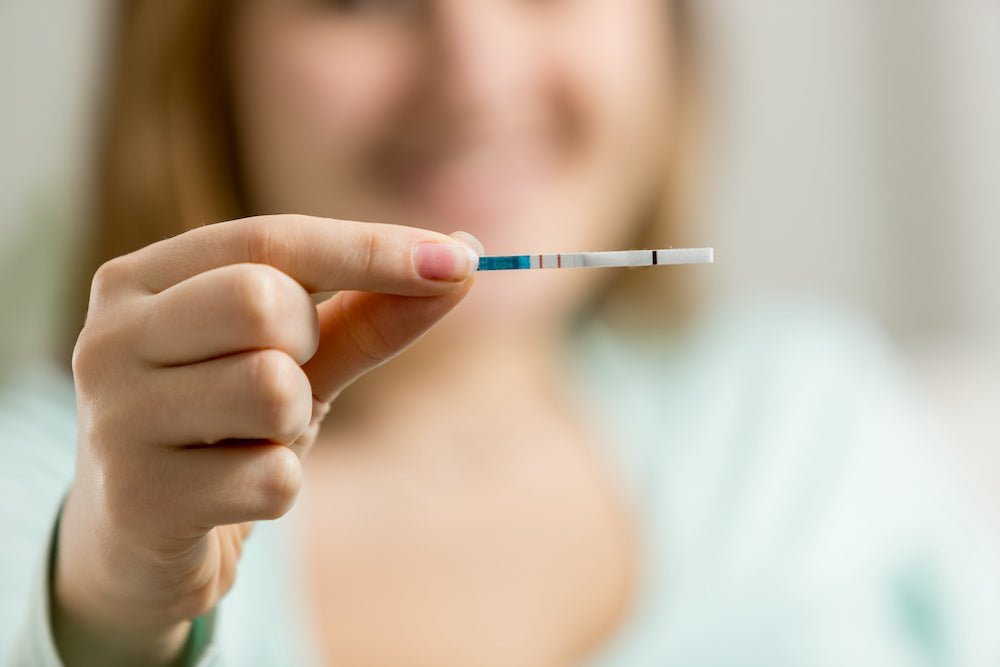
- Hormonal Shifts: About 24 to 48 hours before ovulation, there's a surge in luteinizing hormone (LH). This LH surge triggers the release of an egg and is a key indicator that you are in your most fertile period. Ovulation predictor kits can detect this surge in your urine, helping you pinpoint your most fertile days [4].
Top Tip: Combine these tracking methods—BBT, cervical mucus, and ovulation kits—to get a fuller picture of your fertility window.


✨ Support Healthy Sperm
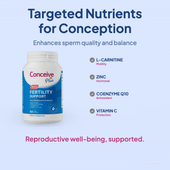
Our Motility Support supplement contains Zinc, CoQ10, and L-Carnitine — clinically studied nutrients for sperm health and motility.
Shop Now — $34.95✓ Free shipping on orders over $40 | ✓ Trusted by millions of couples worldwide
What Does It Mean When Your Fertility Is High?
So, what does it mean when your fertility is high? It means your body is in its best condition to conceive. Hormones like estrogen peak prepare the uterine lining for a potential pregnancy and improve the quality of cervical mucus to help sperm reach the egg. This phase is commonly known as the "fertile window." Using products like Conceive Plus Fertility Lubricant can further improve your chances by mimicking natural cervical mucus, making it easier for sperm to move [5].
Top Tip: Aim to have sex every two to three days during this window to maximize your chances of conceiving.
Male Fertility: What Men Need to Know About High Fertility
While fertility is often discussed in relation to women, men are half the equation. High fertility in men means having healthy, motile sperm that can survive the journey to the egg and successfully fertilize it. Here's what men should consider:
Factors Affecting Male Fertility:
- Sperm Count and Quality: Having a high sperm count with good morphology (shape) and motility (movement) increases the likelihood of conception. Supplements like Conceive Plus Men's Fertility Support provide essential nutrients such as zinc and folic acid, which are known to enhance sperm quality.
- Healthy Lifestyle Choices: A balanced diet, regular exercise, avoiding smoking, and limiting alcohol intake all contribute to healthier sperm and overall fertility.
- Medical Issues: Conditions like varicocele (enlarged veins in the scrotum), hormonal imbalances, and infections can impact sperm production and quality. It's important for men to have regular check-ups to address any potential issues.
Top Tip: Men can boost their fertility by taking targeted supplements and maintaining a healthy lifestyle.
Boosting Fertility with Supplements and Tools
There are several ways to support fertility in both men and women:
- Conceive Plus Women's Fertility Support: A blend of vitamins and minerals that supports hormonal balance and reproductive health.
- Conceive Plus Ovulation Support: Helps regulate menstrual cycles and promotes regular ovulation.
- Conceive Plus Prenatal Support: Provides essential nutrients like folic acid and DHA, which are crucial for a healthy pregnancy.
- Conceive Plus Motility Support: Designed to enhance sperm motility, increasing the chances of sperm reaching the egg.
Fertility apps, ovulation predictor kits, and BBT tracking tools can also help you better understand your cycle and time of intercourse for the best chances of conception.
Top Tip: Start using supplements and tracking tools a few months before you plan to conceive to prepare your body optimally.

Final Thoughts
Understanding high fertility and recognizing the signs is crucial for both men and women trying to conceive. For women, tracking the menstrual cycle, observing changes in cervical mucus, and using ovulation predictor kits are practical ways to pinpoint the most fertile days. For men, focusing on sperm health through lifestyle choices and supplements like those from Conceive Plus can make a big difference.
By working together and being proactive, both partners can increase their chances of starting or expanding their family.
FAQs
What are the signs of high fertility in a woman?
Key signs include regular menstrual cycles, clear and stretchy cervical mucus, and a slight increase in basal body temperature.
How can men improve their fertility?
Men can improve fertility by maintaining a healthy lifestyle, avoiding harmful habits, and using supplements like Conceive Plus Men's Fertility Support.
What does it mean when your fertility is high?
This means that conditions are optimal for conception, with favorable hormonal and physical changes in both partners.
Citations
- Planned Parenthood. (n.d.). Ovulation and the Menstrual Cycle. Retrieved from: https://www.plannedparenthood.org/learn/health-and-wellness/menstruation
- Mayo Clinic. (2023). Ovulation and Fertility. Retrieved from: https://www.mayoclinic.org/diseases-conditions/infertility/symptoms-causes/syc-20354317
- WebMD. (2022). Ovulation Calculator. Retrieved from: https://www.webmd.com/baby/healthtool-ovulation-calculator
- Healthline. (2023). Signs of Ovulation to Detect Your Most Fertile Time. Retrieved from: https://www.healthline.com/health/womens-health/ovulation-symptoms
- WebMD. (2023). What to Know About Fertility and Lubricants. Retrieved from: https://www.webmd.com/infertility-and-reproduction/what-to-know-about-fertility-and-lubricants
🌱 Boost Male Fertility Naturally
Conceive Plus Men's Motility Support is formulated with the nutrients that matter most for sperm quality, count, and motility.
Shop Men's Fertility →Frequently Asked Questions
Recommended by Fertility Experts
Conceive Plus Men's Fertility Support
Designed to support healthy sperm production, motility, and overall male reproductive health with clinically studied nutrients.
Shop Now →How many days before ovulation can you get pregnant?
You can get pregnant up to 5 days before ovulation and on the day of ovulation itself, as sperm can survive in the reproductive tract for up to five days. This 6-day window (5 days before ovulation plus ovulation day) is considered your fertile window. The two days immediately before ovulation and ovulation day itself offer the highest probability of conception.
Can you have a regular period and still not be ovulating?
Yes, it's possible to have regular periods without ovulating in a condition called anovulation. While regular, predictable cycles are generally a positive sign of ovulation, some hormonal conditions or medications can cause regular periods without releasing an egg. If you've been trying to conceive for over a year (or 6 months if over 35), consult a fertility specialist for evaluation.
What's the difference between cervical mucus and cervical fluid during ovulation?
Cervical mucus and cervical fluid are the same thing—the terms are used interchangeably. During high fertility, this fluid becomes clear, stretchy, and slippery (resembling raw egg whites), which helps sperm travel through the cervix to reach the egg. This change in consistency is one of the most reliable signs of approaching ovulation.
Is basal body temperature tracking accurate for predicting ovulation?
BBT tracking is more effective for confirming ovulation after it has occurred rather than predicting it, since the temperature rise happens after the egg is already released. However, when combined with other fertility signs like cervical mucus changes, BBT tracking can help you better understand your cycle patterns over time and identify your fertile window in future cycles.
Does insurance cover fertility tracking apps and ovulation tests?
Coverage for fertility tracking apps and over-the-counter ovulation tests varies significantly by insurance plan and typically is not covered by standard health insurance. Some fertility clinics recommend or provide these tools as part of their diagnostic services, which may be covered. Contact your insurance provider directly to understand your specific coverage for fertility-related products and services.
When should I see a fertility specialist if I'm not conceiving?
According to the American Society for Reproductive Medicine (ASRM), you should consult a fertility specialist after 12 months of unprotected intercourse if you're under 35, or after 6 months if you're 35 or older. Additionally, seek specialist care sooner if you have irregular periods, known fertility issues, or a history of miscarriages.
Can stress affect your fertility and ovulation timing?
Yes, chronic stress can impact fertility by affecting hormones that regulate ovulation and potentially causing irregular cycles. High stress levels may delay or suppress ovulation, making it harder to pinpoint your fertile window. Managing stress through exercise, meditation, adequate sleep, and professional support is considered an important part of natural fertility enhancement.
Trusted by Couples in Over 70 Countries
Support Male Fertility From the Inside Out
Male fertility is just as important as female fertility in the conception journey. Conceive Plus Men's range delivers targeted nutritional support to promote healthy sperm and overall reproductive wellbeing.
Shop Men's Range →