Vas Deferens Lump: Exploring Key Reasons Behind This
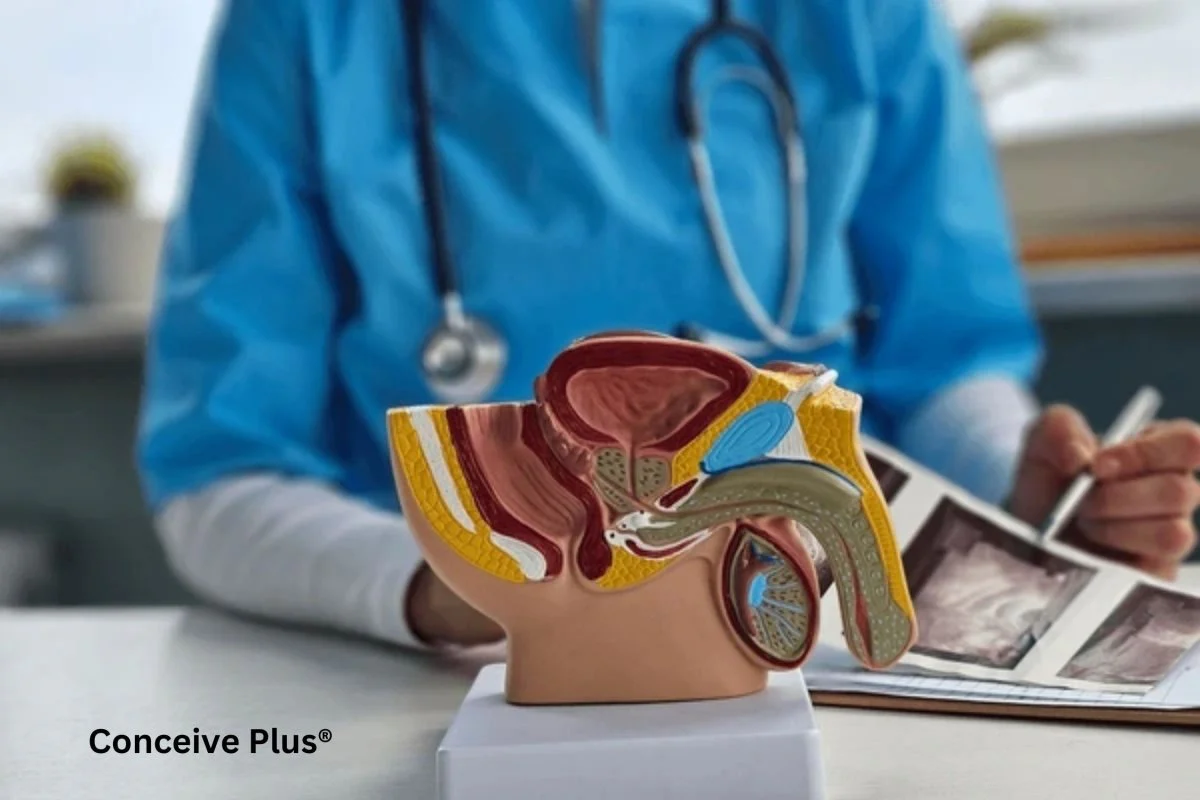

A noticeable swelling in the scrotum can be alarming, often prompting concerns about male fertility and overall well-being. While the testicles frequently draw the most attention, nearby structures like the ductus deferens may also exhibit abnormalities, such as a vas deferens lump. These tubes, responsible for transporting sperm, can develop lumps due to various factors. Understanding potential causes, warning signs, and treatment choices can help men address concerns more proactively.

Origins and Risk Factors
Infections often play a significant role in this issue. Pathogens, especially sexually transmitted bacteria, can ascend through the urethra and spread to the epididymis, leading to irritation and swelling. In rare instances, fungal or parasitic invaders may also trigger inflammation, resulting in a lump. Fluid-filled cysts represent another possibility: minor injuries or blockages can lead to localized fluid collection along the tube, sometimes producing discomfort or scrotal heaviness. Congenital anomalies, including incomplete closure of certain passages, might also predispose individuals to these formations.
Physical trauma is yet another potential contributor. A forceful impact to the groin during sports or everyday activities may injure delicate tissue, creating scar tissue or a small nodule. In some cases, repeated minor trauma accumulates, giving rise to a more pronounced lump. Genetic or connective tissue disorders, though uncommon, can weaken structures within the reproductive tract, making lumps more likely [1].
Warning Signs
Early detection is vital. Some men discover a lump in the vas deferens incidentally, noticing a subtle bulge or an unusual firmness along the tube. Others experience discomfort that may be sharp or dull. Infections can manifest with soreness, fever, or an achy sensation. When inflammation is the culprit, symptoms tend to worsen over time, highlighting the need for prompt evaluation. However, fluid-filled lumps can remain asymptomatic, which is why routine self-examinations are so beneficial.
For a deeper understanding of male reproductive health, including key aspects of male fertility, consider exploring this article on the model of male reproductive system, which explains how the structure of the male anatomy contributes to fertility.


✨ Trying to Conceive?
Our Ovulation & Fertility Bundle combines Myo-Inositol with essential vitamins to support healthy hormone balance and regular ovulation.
Shop Now — $55.00✓ Free shipping on orders over $40 | ✓ Trusted by millions of couples worldwide
Diagnostic Methods
A urologist will start by reviewing a patient’s medical background, focusing on symptoms, habits, and sexual health. A physical exam follows, allowing the physician to gauge the size and placement of the lump. Transillumination can be used to distinguish solid masses from cystic ones, as light passes more easily through fluid. Ultrasound imaging remains the most common approach for visualizing the reproductive structures in detail. In certain complex cases, an MRI scan might be employed to clarify specific features of the abnormality. Meanwhile, blood and urine tests can confirm or rule out infection or inflammation [2].
Treatment Approaches
Management depends on the root cause. If an infection is detected, antibiotics or antifungal medications typically bring relief and resolution. As symptoms subside, rest and supportive care can ease lingering discomfort. In instances of fluid accumulation, aspiration or excision of the cyst may be considered, especially if it grows larger or causes pain. Surgical intervention might also be needed for extensive trauma or structural problems. A specialized urologist can recommend procedures ranging from removing damaged segments to employing precise microsurgical techniques aimed at preserving fertility [3].
Preventive Measures
While not every lump is preventable, certain steps reduce the risk of encountering a ductus deferens lump. Practicing safe sex lowers the chances of contracting infections that can inflame reproductive organs. Using athletic protection during high-impact sports lessens the risk of injury to sensitive tissues. Regular self-checks help in identifying changes early, while periodic medical evaluations provide reassurance and insight into any potential concerns.
Emotional and Psychological Aspects
Discovering an unexpected protuberance can cause anxiety, particularly when it involves reproductive structures. Some men fear negative effects on fertility or worry about potential malignancies. Honest conversations with healthcare providers can alleviate these worries by clarifying the nature of the lump. Moreover, seeking support from partners, friends, or counseling professionals can help men cope more effectively with the uncertainty and stress that arise before a definitive diagnosis.
For a more comprehensive view of male reproductive anatomy, including the critical role of glands in reproductive function, you can explore this article on the accessory glands of male reproductive system, which provides a detailed explanation of how these glands contribute to male fertility.

The Bottom Line
Ultimately, acknowledging a vas deferens lump and seeking appropriate care can promote long-term well-being and reassurance. Remaining attentive to unusual changes is crucial for safeguarding reproductive health. Recognizing a ductus deferens lump or detecting scrotal irregularities early allows for prompt intervention and better outcomes. Whether an infection, cyst, or trauma causes the abnormality, addressing it proactively can preserve function and peace of mind. By prioritizing safe habits, early detection, and timely treatment, men stand the best chance of averting complications.
References:
- Gupta AM, Shetty RN, Kuanr DR. Intra-abdominal vas deferens cyst. Indian J Urol. 2019 Jul-Sep;35(3):232-233. doi: 10.4103/iju.IJU_36_19. PMID: 31367077; PMCID: PMC6639999.
- Abdelmohsen, S.M., Osman, M.A., Takrouney, M.H. et al. A spectrum of epididymis and vas deferens anomalies among children with cryptorchidism: a retrospective multi-center study. Ann Pediatr Surg 17, 55 (2021). https://doi.org/10.1186/s43159-021-00111-w
- Abdullah, Xing JP. A case report of solitary neurofibroma of the Vas deferens. Urol Case Rep. 2019 Oct 31;28:101057. doi: 10.1016/j.eucr.2019.101057. PMID: 31763167; PMCID: PMC6861589.
🌱 Support Your Fertility Journey
Conceive Plus fertility supplements are clinically formulated to help regulate your cycle and support egg quality.
Shop Fertility Support →Frequently Asked Questions
Recommended by Fertility Experts
Conceive Plus Men's Fertility Support
Designed to support healthy sperm production, motility, and overall male reproductive health with clinically studied nutrients.
Shop Now →Q: What causes a cyst on the vas deferens?
A: Cysts on the vas deferens typically develop due to fluid accumulation within or around the duct, often resulting from infections, inflammation, or obstruction of the seminal pathway. Sexually transmitted infections (STIs) like chlamydia and gonorrhea are among the most common culprits, affecting approximately 2.8 million Americans annually according to CDC data. Other causes include epididymitis, vasitis, or trauma to the area. While many cysts are benign and asymptomatic, persistent swelling or pain warrants evaluation by a urologist to rule out complications affecting fertility.
Q: Can a damaged vas deferens affect male fertility?
A: Yes, a damaged vas deferens can significantly impact male fertility since this tube is essential for transporting sperm from the epididymis to the urethra during ejaculation. Damage may result from infection, injury, surgery, or congenital conditions, potentially reducing sperm count or causing complete blockage. The American Society of Reproductive Medicine (ASRM) notes that vas deferens obstruction accounts for approximately 7% of male infertility cases. Men experiencing fertility concerns alongside vas deferens issues should consult a fertility specialist, and may benefit from comprehensive fertility support including proper nutrition and supplementation with products like Conceive Plus, which supports overall reproductive health.
Q: What does an enlarged or dilated vas deferens indicate?
A: A dilated vas deferens typically indicates increased pressure or fluid accumulation within the duct, often caused by downstream obstruction in the epididymis or ejaculatory ducts. This condition may result from infection, inflammation, or post-vasectomy changes, and can sometimes be detected during ultrasound examination ordered by a urologist. While dilation itself isn't always problematic, it may suggest underlying issues affecting sperm transport and fertility. Diagnosis usually requires imaging studies, and treatment depends on identifying and addressing the underlying cause, which may range from antibiotics for infection to surgical intervention for structural blockages.
Q: How are lumps on the ductus deferens diagnosed?
A: Lumps on the ductus deferens are typically diagnosed through physical examination by a urologist, followed by scrotal ultrasound, which is the gold standard imaging for evaluating vas deferens abnormalities. During ultrasound, physicians can assess lump size, consistency, and any associated fluid collection or obstruction. If infection is suspected, urinalysis and STI testing may be recommended, as infections account for a significant proportion of vas deferens pathology in the US. In some cases, MRI may be ordered for more detailed anatomical evaluation, particularly if fertility concerns or complex cases require additional assessment.
Q: Is there a connection between epididymis and vas deferens problems affecting fertility?
A: The epididymis and vas deferens work together as part of the male reproductive tract, so problems in either structure can negatively impact fertility by disrupting sperm transport and maturation. Epididymitis (inflammation of the epididymis) can spread to the vas deferens, causing obstruction or scarring that impairs sperm passage, contributing to male infertility in up to 40% of men with a history of epididymitis. According to ASRM data, combined epididymal and vas deferens dysfunction affects approximately 6-7% of infertile men. Couples facing these challenges should work with a reproductive urologist and consider a comprehensive approach to male fertility support, including optimized nutrition and evidence-based supplements designed to enhance reproductive function.
Trusted by Couples in Over 70 Countries
Support Male Fertility From the Inside Out
Male fertility is just as important as female fertility in the conception journey. Conceive Plus Men's range delivers targeted nutritional support to promote healthy sperm and overall reproductive wellbeing.
Shop Men's Range →