Why Sperm Is Why That Matters: Key Facts About Male Fertility
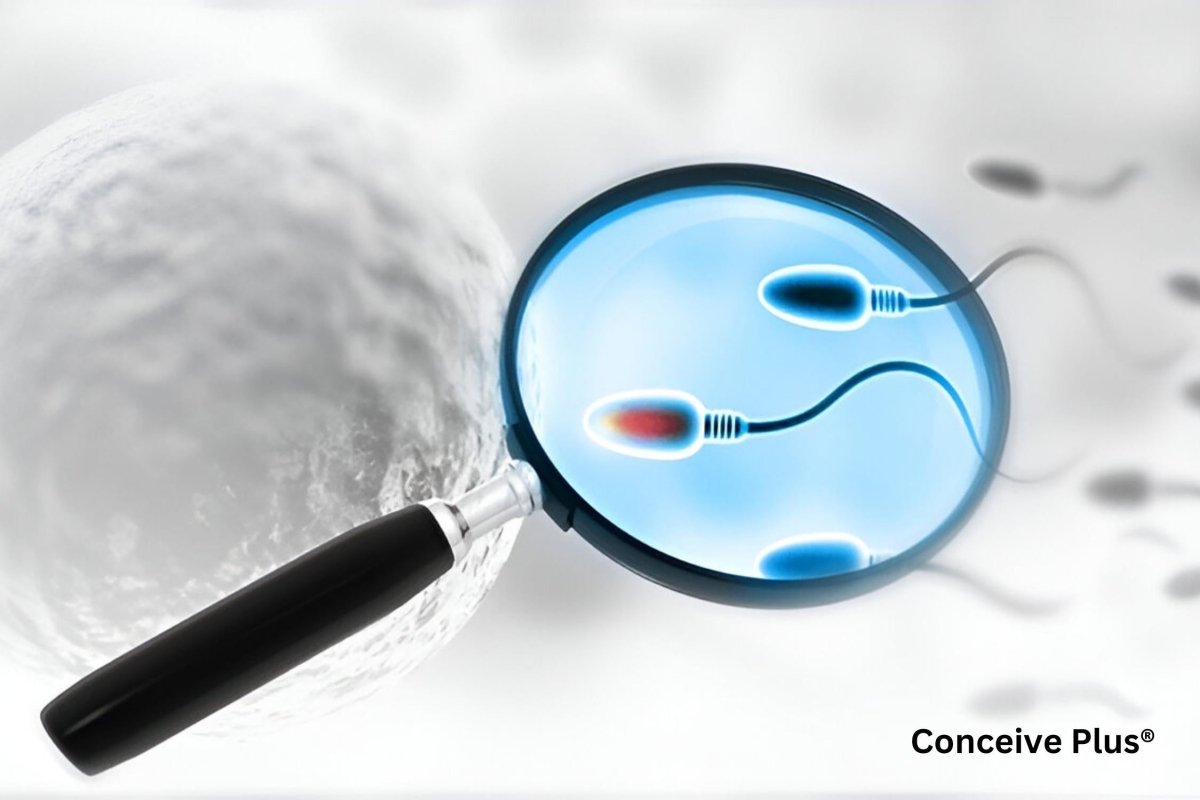

Sperm is the male reproductive cell, which is also known as the male gamete. The male reproductive system produces sperm cells and stores them until that person ejaculates [1].
The role of sperm cells is to travel inside the female reproductive system after ejaculation and reach the egg. After reaching the egg, sperm cells fertilize the egg, and it marks the beginning of a new life [2]. Sperm health is important in all this process or reproduction. Various factors that impact sperm health reduce the chances of conception.
In this article, we will understand why sperm is why that matters for male fertility and conception.

Anatomy of Sperm
Sperm cells are microscopic in size and are specialized to perform their role in reproduction. If you are curious about how does sperm looks like in real life, it looks like a tadpole. Each sperm cell has three main parts:
-
Head
The sperm head is oval in shape, and it contains the DNA of the male partner. When sperm reaches the female egg, the oval head penetrates into the egg. This allows the DNA in the sperm and egg to combine and give birth to a zygote [3].
-
Midpiece
The midpiece of the sperm is the area between the head and tail. It contains mitochondria and provides energy for the movement of the sperm tail [4]. This energy allows the sperm tail to push the sperm cell inside the female body to reach the egg.
-
Tail
The tail of the sperm cell is also called the flagellum, and it propels the sperm cell. Sperm tail moves in a whip-like motion which propels the sperm body forward in the female reproductive tract.

Each part of the sperm is important for successful fertilization. If there is a problem with either head, midpiece, or tail, it lowers the efficiency of sperm cells to fertilize an egg.
How Sperm is Produced?
Testes, which are the male reproductive organs just below the penis, are responsible for producing and storing sperm cells. Testes produce sperm cells through a process called spermatogenesis, which takes around 64 to 74 days for a complete cycle [1].
During spermatogenesis, the immature sperm cells already present in the testes begin to divide and mature. After a complete cycle of spermatogenesis, the newly formed sperm cells are stored in the testes for ejaculation.
Sperm production begins at the age of puberty and continues throughout life. However, different factors, like age, poor diet, and unhealthy lifestyle, can negatively impact sperm production.


✨ Support Healthy Sperm
Our Motility Support supplement contains Zinc, CoQ10, and L-Carnitine — clinically studied nutrients for sperm health and motility.
Shop Now — $34.95✓ Free shipping on orders over $40 | ✓ Trusted by millions of couples worldwide
Why Sperm Quality Matters For Conception?
Conception depends on many factors, and sperm quality is a major one. Sperm quality can be accessed through the following parameters:
- Sperm Motility: Motility means the ability of sperm cells to swim. If a sperm is non-motile, it may not be able to swim inside the female body and reach the egg, lowering the chances of conception [5].
- Sperm Morphology: Morphology is the study of the size and shape of sperm cells [6]. A normal sperm has an oval-shaped head and a long tail. When the sperm morphology is not normal, it negatively impacts the ability of sperm cells to fertilize an egg in the fallopian tube.
- Sperm Count: Sperm count is the total number of sperm in a semen sample or ejaculate fluid. A low sperm count means lower chances of conception as less sperm will be available to fertilize the egg.

These sperm parameters play a significant role in male fertility and answer why sperm over why matters. Healthy sperm increase the likelihood of conception, while problems in any of these sperm parameters can lower the chances of conception.
Factors that Affect Sperm Health
Your diet, lifestyle, and different environmental factors impact your sperm health. Eating a balanced diet rich in nutrients like vitamins C and E, zinc, and folic acid can produce healthy sperm. Additionally, using fertility supplements or products designed to support sperm health may also enhance fertility.
A 2022 study shows that environmental factors such as high temperatures and chemicals can negatively affect the sperm production process and result in unhealthy sperm [7].
Some medical conditions, including hormonal imbalances, diabetes, and infections, can also lower sperm quality and, in severe cases, lead to infertility. Understanding when is sperm more potent can help improve the chances of conception.

The Bottom Line
Why sperm is why that matters for conception can be a question by someone who doesn't understand fertility and reproduction. Sperm is the male reproductive cell and a healthy sperm means normal sperm count, motility, and morphology.
Some factors, such as poor diet and lifestyle, temperature, and certain chemical exposure, can impair sperm function and lower the chances of conception.
So, if you are trying to conceive, it is essential to know whether you have normal sperm count, motility, and morphology. You can evaluate sperm health and quality with the help of different semen analysis options.
FAQs
-
What does infertile sperm look like?
Infertile sperm may have unusual shapes, like misshapen heads or bent tails, making it hard for them to reach and fertilize an egg.
-
How to improve sperm morphology?
You can improve sperm morphology by taking fertility nutrients in your diet and adopting a healthy lifestyle.
Resources Used
- Suede, S. H., Malik, A., & Sapra, A. (2023c, March 6). Histology, Spermatogenesis. StatPearls - NCBI Bookshelf. https://www.ncbi.nlm.nih.gov/books/NBK553142/
- Oliver, R., & Basit, H. (2023c, April 17). Embryology, Fertilization. StatPearls - NCBI Bookshelf. https://www.ncbi.nlm.nih.gov/books/NBK542186/
- Khan, Y. S., & Ackerman, K. M. (2023, April 17). Embryology, Week 1. StatPearls - NCBI Bookshelf. https://www.ncbi.nlm.nih.gov/books/NBK554562/
- Visconti, P. (2012b). Sperm Bioenergetics in a Nutshell1. Biology of Reproduction, 87(3). https://doi.org/10.1095/biolreprod.112.104109
- What is Sperm Motility and How it Affects Fertility. Conceive Plus®. https://conceiveplus.com/blogs/blog/what-is-sperm-motility-and-how-it-affects-fertility
- Bashir, S. (2024j, August 26). Understanding Sperm Morphology and Fertility. Conceive Plus®. https://conceiveplus.com/blogs/blog/sperm-morphology-and-fertility
- Kumar, N., & Singh, A. K. (2022). Impact of environmental factors on human semen quality and male fertility: a narrative review. Environmental Sciences Europe, 34(1). https://doi.org/10.1186/s12302-021-00585-w
🌱 Boost Male Fertility Naturally
Conceive Plus Men's Motility Support is formulated with the nutrients that matter most for sperm quality, count, and motility.
Shop Men's Fertility →Frequently Asked Questions
Recommended by Fertility Experts
Conceive Plus Men's Fertility Support
Designed to support healthy sperm production, motility, and overall male reproductive health with clinically studied nutrients.
Shop Now →What factors can negatively impact sperm production and male fertility?
Several factors can reduce sperm production, including advanced age, poor nutrition, unhealthy lifestyle choices, smoking, excessive alcohol consumption, and chronic stress. Environmental exposures, certain medications, obesity, and conditions like varicocele (enlarged veins in the scrotum) can also negatively affect sperm quality and quantity. The American Society for Reproductive Medicine (ASRM) recommends lifestyle modifications and medical evaluation if fertility concerns arise.
How long does it take for sperm to be produced, and how often should I expect new sperm?
The complete sperm production cycle, called spermatogenesis, takes approximately 64 to 74 days from start to finish. This means the body is continuously producing new sperm throughout a man's life, starting from puberty. Understanding this timeline is helpful when making lifestyle changes, as improvements may take several months to reflect in sperm quality.
What is sperm motility, and why does it matter for conception?
Sperm motility refers to the ability of sperm cells to move effectively through the female reproductive tract toward the egg. The tail (flagellum) propels sperm forward in a whip-like motion, powered by energy from the midpiece. Poor motility is a common cause of male factor infertility, and motility issues are evaluated during standard semen analysis tests performed by fertility clinics.
Can lifestyle changes improve sperm health and fertility?
Yes, lifestyle modifications can significantly improve sperm quality and production. Maintaining a healthy diet rich in antioxidants, regular exercise, adequate sleep, stress reduction, avoiding smoking and excessive alcohol, and maintaining a healthy weight are all evidence-based strategies to support sperm health. Since sperm takes 64-74 days to develop, consistent lifestyle changes should be maintained for at least 2-3 months to see measurable improvements.
When should I see a fertility specialist about male factor infertility?
The American Society for Reproductive Medicine recommends that couples unable to conceive after one year of unprotected intercourse (or six months if the woman is over 35) should seek evaluation. A fertility specialist can order a semen analysis to assess sperm count, motility, and morphology. If you have concerns about sperm health or fertility, consult with a board-certified reproductive endocrinologist or urologist who specializes in male fertility.
Does age affect sperm quality and male fertility?
Yes, male age does impact sperm production and quality. While men continue producing sperm throughout life, sperm production and motility may decline with age, and the risk of genetic abnormalities in sperm may increase. However, age-related fertility decline in men is generally less dramatic than in women, and many men maintain good fertility into their later years.
Are there FDA-approved treatments to improve sperm health?
While there are no FDA-approved medications specifically designed to increase sperm count or improve motility, certain supplements containing antioxidants like CoQ10, L-carnitine, and zinc have shown promise in some studies. However, evidence varies, and it's important to discuss any supplement use with your fertility doctor, as some may interact with medications or have unproven efficacy. A fertility specialist can recommend evidence-based approaches tailored to your specific situation.
Trusted by Couples in Over 70 Countries
Support Male Fertility From the Inside Out
Male fertility is just as important as female fertility in the conception journey. Conceive Plus Men's range delivers targeted nutritional support to promote healthy sperm and overall reproductive wellbeing.
Shop Men's Range →