Woman could become first in world to give birth from transplanted womb - donated by her mum
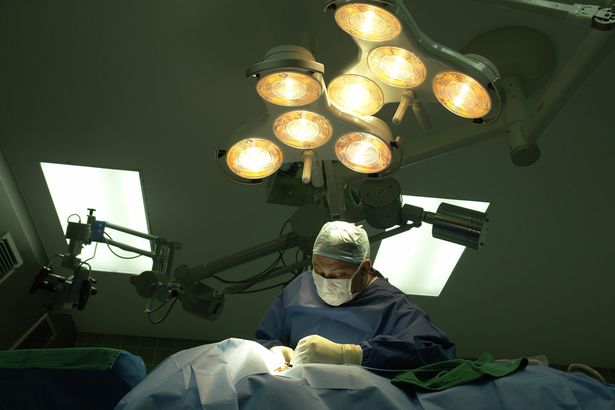

Doctors have successfully transferred an embryo into her body, giving hope to thousands facing similar struggles to have a child.
A woman could become the first in the world to give birth from a transplanted womb - donated by her mum. Doctors have successfully transferred an embryo into her body, giving hope to thousands facing similar struggles to have a child. It means the baby would be delivered using the womb the mother was born from herself. Dr Mats Brannstrom, behind the process, said: "The best scenario is a baby in nine months.

✨ Trying to Conceive?
Our Ovulation & Fertility Bundle combines Myo-Inositol with essential vitamins to support healthy hormone balance and regular ovulation.
Shop Now — $55.00✓ Free shipping on orders over $40 | ✓ Trusted by millions of couples worldwide
"A success would be an important proof of principle that a procedure is available to cure uterine infertility."
The embryo was transferred last week, months after the Swede - born without a womb due to genetic syndrome MRKH - had the transplant. Medics used the woman's own egg. She is one of nine who had the transplants between September 2012 and last April. The patients have been deeply affected by the experience.
Dr Brannstrom, of the Sahlgrenska Academy, Gothenburg, where the procedure was carried out, said: "They say: 'Now I feel like a real woman for the first time'.
" The development may one day help 200,000 people in Europe. MRKH hits one in 5,000 women and stops the womb developing, but they still have working ovaries. Sandra Boine, 26, has the condition. She said of the procedure: "When I read about it I cried for hours.
"I've got a chance to make a child on my own. There's hope."
🌱 Support Your Fertility Journey
Conceive Plus fertility supplements are clinically formulated to help regulate your cycle and support egg quality.
Shop Fertility Support →Frequently Asked Questions
Recommended by Fertility Experts
Conceive Plus Men's Fertility Support
Designed to support healthy sperm production, motility, and overall male reproductive health with clinically studied nutrients.
Shop Now →Is uterus transplantation available in the United States?
While uterus transplantation has been successfully performed internationally, it remains largely experimental in the US and is not yet widely available at fertility clinics. The American Society for Reproductive Medicine (ASRM) continues to monitor this technology, but most procedures are still conducted as clinical trials rather than standard treatment options. Patients interested in this procedure should consult with major academic medical centers or fertility specialists to learn about any ongoing clinical trials in their region.
What is MRKH syndrome and how common is it?
Mayer-Rokitansky-Küster-Hauser (MRKH) syndrome is a rare condition affecting approximately 1 in 4,500 to 1 in 5,000 women, where the uterus and upper vagina don't develop properly due to a genetic condition. Women with MRKH typically have functioning ovaries and can produce healthy eggs, but cannot carry a pregnancy naturally. This condition makes uterus transplantation a potentially life-changing option for affected women who wish to experience biological pregnancy.
What are the alternatives to uterus transplantation for women with uterine infertility?
Current alternatives for women unable to carry pregnancies include surrogacy, adoption, and using donated embryos. Gestational surrogacy allows women to use their own eggs fertilized with their partner's sperm, which are then implanted in a surrogate; however, this option varies in legality and availability across US states. Adoption and third-party reproduction through established fertility clinics remain the most accessible options for most patients today.
Will insurance cover uterus transplantation costs?
Most major insurance plans do not currently cover uterus transplantation as it remains experimental and is not FDA-approved as a standard fertility treatment in the United States. Costs for transplantation, immunosuppressive medications, embryo transfer, and delivery could exceed $100,000 to $200,000. Patients should contact their insurance provider and inquire about participation in clinical trials, which may offer coverage or reduced costs through research institutions.
What happens to the transplanted uterus after pregnancy and delivery?
In current uterus transplantation protocols, the transplanted uterus is typically removed after one or two successful pregnancies to all
What are the risks of uterus transplantation?
Uterus transplantation carries risks including organ rejection, infection, bleeding, blood clots, and complications from immunosuppressive medications needed to prevent rejection. Pregnancy itself carries additional risks including gestational diabetes, preeclampsia, and potential complications related to the transplanted organ. As with any transplant procedure, patients must weigh these medical risks against the emotional and psychological benefits of carrying a biological pregnancy.
How long does it typically take to become pregnant after uterus transplantation?
After uterus transplantation, doctors typically wait 1-2 months to allow the organ to heal and establish blood flow before beginning the embryo transfer process. Once cleared for transfer, the timeline depends on fertility treatment protocols, but pregnancy can occur within the first few months following embryo implantation. The exact timing varies based on individual healing, menstrual cycle establishment, and specific medical center protocols.
Trusted by Couples in Over 70 Countries
Support Male Fertility From the Inside Out
Male fertility is just as important as female fertility in the conception journey. Conceive Plus Men's range delivers targeted nutritional support to promote healthy sperm and overall reproductive wellbeing.
Shop Men's Range →