14DPO Symptoms: When to Take a Pregnancy Test
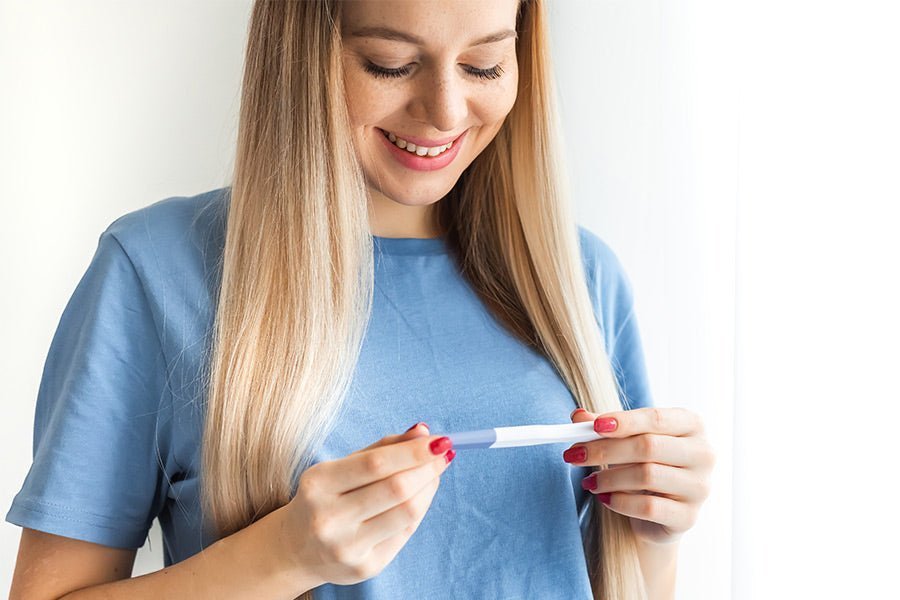

Congratulations on making it to 14 days past ovulation. As you complete two weeks of your pregnancy, the subtle signs will intensify. It’s normal to have some anxiety about what’s coming. Let’s understand what to expect at this stage and what 14DPO symptoms you will experience. This will also help you decide when to take a pregnancy test.

Understanding 14 DPO Meaning
First, let’s understand DPO or days past ovulation. It is the number of days since you ovulated or since an egg was released from the ovary. The luteal phase lasts 14 days past ovulation, after which either your menstrual period starts, or your pregnancy is confirmed. This is why the 2-week can be an exciting time for you.
Common 14 DPO Symptoms
14DPO symptoms are clear indicators of early pregnancy. However, you should know that these symptoms can vary significantly from one woman to another. In many cases, they are even similar to premenstrual symptoms. Following are some common 14DPO symptoms.
- Breast Tenderness: Many women experience sore or tender breasts at 14 DPO. This happens as the progesterone levels increase in your body. If your breasts feel heavier and more sensitive at 14 DPO, it's a clear sign of pregnancy [1].
- Fatigue: Are you feeling more tired than usual? Fatigue is a common symptom at 14 DPO, often caused by rising hormone levels, particularly progesterone.
- Mild Cramping: Some women may experience cramping at 14 DPO, similar to menstrual cramps. These cramps are usually mild and may be a sign of implantation or your uterus preparing for a possible pregnancy [2].
- Nausea or Morning Sickness: Although more common in the later weeks of pregnancy, some women start to feel queasy as early as 14 DPO. This can occur due to hormonal changes, particularly an increase in hCG (human chorionic gonadotropin).
- 14 DPO Discharge If Pregnant: You might notice an increase in cervical mucus at this stage. If you are pregnant, the discharge at 14 DPO may be thicker, creamy, and white. It is usually different from the clear, watery discharge you might have during ovulation [3].
- Mood Swings: Hormonal fluctuations can also lead to mood swings. At 14 DPO, you might feel more emotional or irritable than usual.
- Spotting 14DPO: Light spotting, also known as implantation bleeding, may occur after two weeks. Implantation bleeding 14 DPO is typically lighter than a period and may be a sign that the fertilized egg has implanted in the uterine lining.

✨ Think You Might Be Pregnant?
Get fast, accurate results up to 6 days before your missed period with our early detection pregnancy test.
Shop Now — $9.80✓ Free shipping on orders over $40 | ✓ Trusted by millions of couples worldwide
14 DPO Spotting: Is It Normal?
Spotting at 14 DPO can be a sign of implantation bleeding. This type of spotting is usually very light, pinkish, or brown and lasts for a short time. Implantation bleeding 14 DPO occurs when the fertilized egg attaches to the uterine lining, which can cause a small amount of blood to be released.
However, not all women experience implantation bleeding. If you notice 14 DPO spotting, it could be an early pregnancy sign. But in many cases, it could also indicate that your period is about to start. If the spotting turns into a heavier flow, it might be your period rather than implantation.

Taking a Pregnancy Test at 14 DPO
One of the most common questions at this stage is when to take a pregnancy test. At 14 DPO, a home pregnancy test will likely give you an accurate result. This is because, by this time, your hCG levels should be high enough to be detected in your urine [4].
A 14DPO pregnancy test can provide a positive result if you’re pregnant. However, if you receive a negative result but still feel pregnant, try retesting a few days later. hCG levels vary among women, and some may not produce enough of the hormone until a few days after a missed period.
What If You Experience 14 DPO Symptoms but a Negative Test?
If you’re experiencing 14 DPO symptoms but get a negative test result, it can be confusing. There are several possible explanations for this:
- Testing Too Early: Even at 14 DPO, some women may not have high enough hCG levels to be detected by a home pregnancy test.
- Late Ovulation: If your ovulation was delayed than usual, your body may not have had enough time to produce detectable levels of hCG.
- Chemical Pregnancy: This is an early miscarriage that occurs shortly after implantation. It can cause pregnancy symptoms and a positive test, but then the symptoms and hCG levels fade quickly.
If you still haven’t gotten your period after a few days and continue to experience symptoms, it’s a good idea to take another test or consult with your healthcare provider.
When to Consult a Doctor
While many of these symptoms can be normal at 14 DPO, there are some situations where it’s important to seek medical advice:
- Heavy Bleeding: If your spotting turns into heavy bleeding with clots, immediately consult a doctor. This could indicate a miscarriage or other medical issues.
- Severe Pain: You should never ignore intense cramping or abdominal pain. A healthcare professional can help you before it leads to miscarriage or any other condition.
- No Period After a Negative Test: If you still haven’t gotten your period a week after a negative test and are experiencing 14 DPO symptoms, you may want to consult your doctor for further evaluation.

Final Thoughts
Going through the days that usually end on your periods can bring a lot of emotional and physical stress. Especially at 14 DPO, you start wondering if you are pregnant or not. Knowing the common 14DPO symptoms helps you decide when to take a pregnancy test. You feel more in control as you start understanding your body better.
If you suspect pregnancy or have concerns about your symptoms, don’t hesitate to reach out to a healthcare provider. Remember, every woman is different, and helpful guidance can greatly help during this crucial time.
Resources
- https://www.medicalnewstoday.com/articles/324319
- https://americanpregnancy.org/healthy-pregnancy/pregnancy-concerns/cramping-during-pregnancy/
- https://www.medicalnewstoday.com/articles/what-does-early-pregnancy-discharge-look-like
- https://americanpregnancy.org/getting-pregnant/hcg-levels/
Buy conception products online at Conceive Plus, the fertility brand trusted by couples and healthcare professionals in over 70 countries! Order premium conception supplements on our website today, the best conception kits for sale for TTC couples.
🌱 Get Answers Early
Millions of women trust Conceive Plus for their fertility journey. Clinically validated pregnancy tests delivered to your door.
Shop Pregnancy Tests →Frequently Asked Questions
Recommended by Fertility Experts
Conceive Plus Fertility Lubricant
Specially formulated to be sperm-friendly and isotonic, supporting your natural conception journey without disrupting the reproductive environment.
Shop Now →Can I get a positive pregnancy test at 14 DPO?
Yes, 14 DPO is an ideal time to take a pregnancy test, as hCG levels are typically high enough for detection by most home pregnancy tests. The FDA-approved home pregnancy tests can generally detect hCG levels as low as 25 mIU/mL, which are usually present by 14 DPO if conception occurred. For the most accurate results, use a test with your first morning urine, though results can be reliable at any time of day at this stage.
Is light spotting at 14 DPO normal or a sign of a problem?
Light spotting or implantation bleeding at 14 DPO can be a normal sign of early pregnancy, typically appearing as light pink or brown discharge that is noticeably lighter than a menstrual period. However, if you experience heavy bleeding, severe cramping, or other concerning symptoms, contact your healthcare provider to rule out complications. It's important to note that not all women experience implantation bleeding, so its absence doesn't indicate a problem.
Should I see my doctor at 14 DPO if I think I'm pregnant?
While not medically necessary at 14 DPO, many women choose to schedule an appointment with their OB/GYN or primary care physician once they receive a positive home pregnancy test. Your doctor can confirm the pregnancy with a blood test (quantitative hCG), discuss prenatal care, and address any concerns based on your individual health history. The American College of Obstetricians and Gynecologists recommends scheduling your first prenatal visit once pregnancy is confirmed.
Why do 14 DPO symptoms feel similar to PMS symptoms?
Both early pregnancy and PMS produce similar symptoms because they are driven by the same hormonal changes, particularly progesterone elevation during the luteal phase. The key difference is that in pregnancy, progesterone levels continue to rise, while in a non-pregnant cycle, they decline before menstruation. This overlap in symptoms is why a pregnancy test is the only reliable way to differentiate between the two at 14 DPO.
What if I have no symptoms at 14 DPO—could I still be pregnant?
Absolutely—many women experience few to no noticeable symptoms at 14 DPO and still have successful pregnancies. Symptom presence and severity vary greatly among individuals and are not reliable indicators of whether you are pregnant. The only definitive way to know is to take a pregnancy test, as hCG levels will be detectable by 14 DPO regardless of whether you feel any physical changes.
Are home pregnancy tests or blood tests more accurate at 14 DPO?
Both home pregnancy tests and blood tests are highly accurate at 14 DPO, though blood tests (quantitative hCG) provide a numerical measurement and are slightly more sensitive. FDA-approved home urine tests have accuracy rates of 99% when used correctly, while blood tests ordered by your doctor can detect even lower levels of hCG. If you get a positive home test, your doctor may recommend a blood test for confirmation and to establish a baseline hCG level.
Is it safe to take medication or supplements while waiting for pregnancy confirmation at 14 DPO?
Before taking any new medications or supplements at 14 DPO, discuss them with your healthcare provider, especially if you suspect you may be pregnant. Some over-the-counter medications and supplements may pose risks during pregnancy, while others are considered safe; your doctor can review your complete medical history to advise accordingly. It's always best to err on the side of caution and consult a professional before introducing anything new to your routine.
Trusted by Couples in Over 70 Countries
Start Your Fertility Journey With the Right Support
Conceive Plus Fertility Lubricant is specially formulated to be compatible with sperm, eggs, and embryos. Whether you are just starting out or have been trying for a while, our products are designed to work with your body — not against it.
Explore Fertility Lubricant →