Can You Be Infertile and Still Have Regular Periods Explained
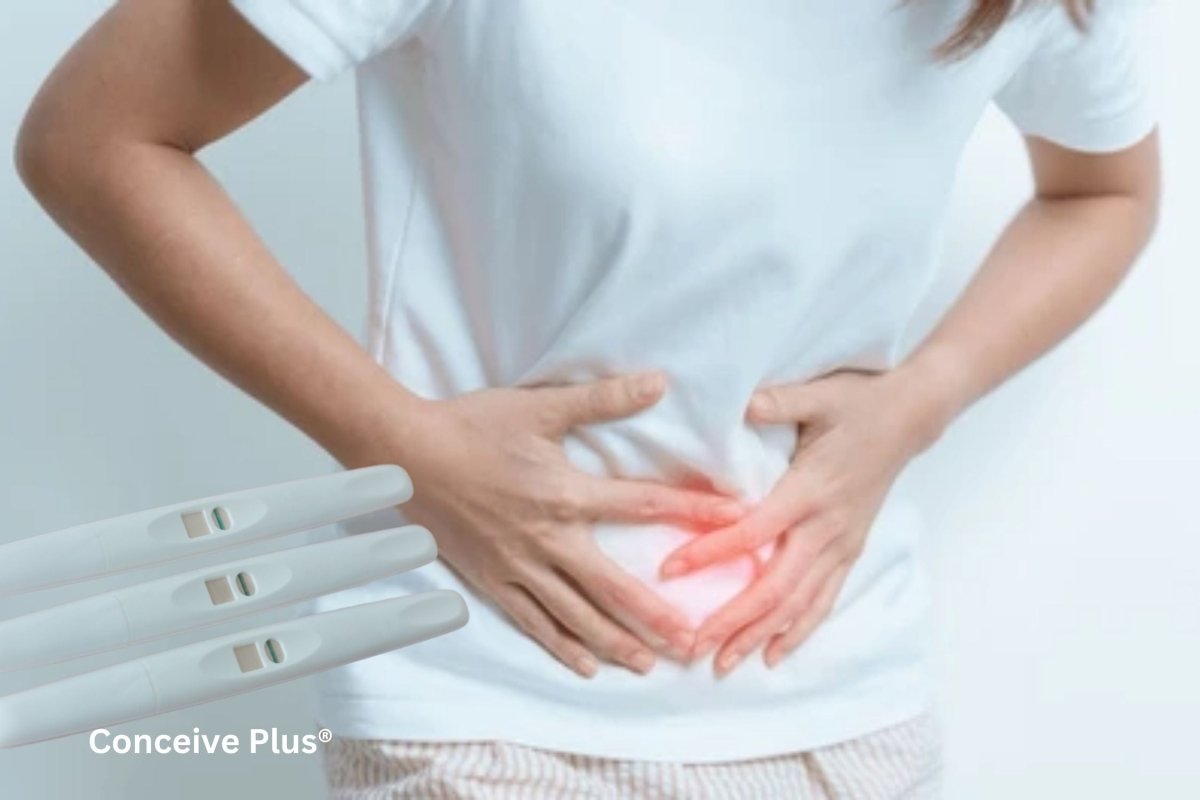

Infertility is a tough thing to deal with, and it can leave you feeling confused, frustrated, and even a little helpless. What makes it even harder is when you’re experiencing regular periods but not getting pregnant. That’s when the questions start piling up. Why isn’t it happening? Is there something wrong? Can you be infertile and still have regular periods is a common question that many people struggle to understand.
We grow up thinking that having regular periods means our reproductive systems are working perfectly. It’s what we’re taught in health class and what most people believe. But here’s the truth—it’s absolutely possible to have normal periods but not getting pregnant. Your period can be regular like clockwork, but there may still be something going on behind the scenes that's keeping you from conceiving.
This article will break it all down. We’ll cover how periods relate to fertility, what might be causing the issue, and what you can do about it.

What Regular Periods Actually Mean About Fertility
Your menstrual cycle is like your body’s way of checking in every month. A regular cycle means things are moving along as they should—at least on the surface. Usually, it signals that ovulation is happening, and your uterus is prepping itself for a potential pregnancy.
But—and this is a big “but”—having regular cycles doesn’t always mean everything is working perfectly. If you’re having regular periods but not getting pregnant, there could be other factors at play.
For one, regular cycles don’t guarantee that the eggs being released during ovulation are healthy. Egg quality can decline for a variety of reasons, including age, environmental factors, and even oxidative stress [1]. Beyond that, other parts of the process might not be functioning as they should.
For example, sperm may not be reaching the egg because of blocked fallopian tubes. Or, even if fertilization occurs, the fertilized egg might struggle to implant in the uterus. These issues are invisible without medical testing, which is why they often go unnoticed for so long.
Yes, You Can Be Infertile and Still Have Regular Periods
Let’s just address this head-on: can you be infertile and still have regular periods? The answer is a straightforward yes.
It’s actually pretty common, though not a lot of people talk about it. Regular periods are often misunderstood as a guarantee of fertility, but they only tell part of the story. Ovulation might not be happening properly even if you bleed every month. Or, there could be other underlying conditions making it hard to conceive [2].
One possibility is poor egg quality. Ovulation might occur like clockwork, but if the eggs aren’t healthy enough to be fertilized or develop properly, pregnancy won’t happen. Another issue could be the fallopian tubes. Blockages, which are sometimes caused by pelvic inflammatory disease or scar tissue from surgeries, can prevent sperm and egg from meeting [3].
The uterus can also be a factor. Conditions like fibroids or polyps can interfere with implantation, even if everything else seems fine. And let’s not forget male fertility issues. Low sperm count or poor motility can make conception difficult, even when everything on the female side checks out.
What Could Be Causing Infertility Even With Regular Periods
It’s surprising but true—infertility can still occur even when your periods are regular. Regular cycles may indicate ovulation, but they don’t guarantee that all other factors for conception are in place. Issues with hormones, egg quality, or the reproductive organs could still be at play.
Hormonal Imbalances
Hormones control so much of your reproductive system. Even small imbalances can mess things up. Progesterone, for instance, plays a key role in maintaining the uterine lining. If progesterone levels are too low, the lining may not be able to support a fertilized egg.
Then there’s prolactin. It’s the hormone responsible for milk production, but too much of it can suppress ovulation. These kinds of hormonal issues are often overlooked because they don’t always cause obvious symptoms beyond infertility [4].
Polycystic Ovary Syndrome (PCOS)
PCOS is one of the leading causes of infertility. Most people associate it with irregular cycles, but some women with PCOS still have regular periods. The catch? They might not be ovulating even though they’re bleeding each month.
This happens because PCOS disrupts the hormonal signals that regulate ovulation. Insulin resistance, which is common in PCOS, can also worsen these issues by throwing other hormones out of balance.
Age
Egg quality and quantity naturally decline with age. Women over 35 may notice it’s harder to conceive, even if their cycles are regular. This decline speeds up after age 37, and by 40, it can become a significant barrier to pregnancy. Understanding pregnancy risk by age is crucial, as fertility challenges and potential complications tend to increase over time.
What’s happening is that as eggs age, they’re more likely to have chromosomal abnormalities. These abnormalities make it harder for fertilization to occur, and even when it does, they increase the chances of early miscarriage [5]. In fact, miscarriage percent tends to rise with age, making it an important factor to consider when planning for pregnancy
Uterine Conditions
Issues like fibroids, polyps, or scarring in the uterus can also play a role. These conditions can interfere with implantation or make it difficult for a fertilized egg to grow properly.
Why Lifestyle Matters for Fertility
Lifestyle isn’t everything when it comes to fertility, but it plays a pretty big role. Things like nutrition, stress, and exercise can all impact your ability to conceive.

✨ Trying to Conceive?
Our Ovulation & Fertility Bundle combines Myo-Inositol with essential vitamins to support healthy hormone balance and regular ovulation.
Shop Now — $55.00✓ Free shipping on orders over $40 | ✓ Trusted by millions of couples worldwide
Nutrition
Certain nutrients are particularly important for fertility. Folic acid is essential not only for preventing birth defects but also for supporting healthy ovulation. Vitamin D helps regulate hormones, and zinc is critical for both male and female reproductive health.
Stress
Chronic stress can wreak havoc on your reproductive system. It increases cortisol, which can disrupt the delicate hormonal balance needed for ovulation and implantation. Managing stress—through things like yoga, mindfulness, or even just taking a break—can help create a more supportive environment for conception [6].
Weight
Both being underweight and overweight can affect your fertility. Too little body fat can stop ovulation, while too much can lead to hormonal imbalances that interfere with the reproductive process. Even a small change in weight can sometimes make a difference.

What’s Really Happening During Ovulation
Ovulation is at the heart of the conception process. It’s when your body releases a mature egg that’s ready to be fertilized. But even when ovulation seems to be happening regularly, there might still be issues.
Conditions like premature ovarian failure can cause irregular ovulation. Or, there might be a luteal phase defect, where the second half of the cycle doesn’t produce enough progesterone to sustain a pregnancy [7].
Tracking ovulation is a good way to get a clearer picture of what’s going on. Basal body temperature tracking and ovulation predictor kits are simple tools that can provide valuable insights.
What to Do If You’re Struggling to Conceive
If you’ve been trying for over a year with regular periods but not getting pregnant, it’s time to consult a doctor. If you’re over 35, make that six months.
A doctor will likely start with some basic tests. Hormone testing can reveal if your levels are off. A hysterosalpingography (HSG) test checks for blockages in the fallopian tubes. And semen analysis can evaluate the male partner’s fertility [8].
Depending on the results, your doctor might suggest treatments like ovulation induction, intrauterine insemination (IUI), or in vitro fertilization (IVF).
How Certain Ingredients Can Support Fertility
Certain nutrients and compounds can make a big difference when it comes to fertility. L-Arginine, for example, improves blood flow to the reproductive organs, supporting egg quality and implantation. Magnesium and calcium are vital for cellular health and egg maturation [9].
Myo-Inositol and D-Chiro Inositol are particularly helpful for women with PCOS. They help regulate insulin levels and restore hormonal balance, which can lead to more regular ovulation.
CoQ10 is another key player. It’s an antioxidant that protects eggs from oxidative damage and boosts cellular energy. Adding these nutrients to your diet—whether through food or supplements—can give your fertility a natural boost.
When Should You Seek Help?
Knowing when to ask for help is critical. If you’ve been trying to conceive for over a year with no success—or six months if you’re over 35—it’s time to see a fertility specialist.
You should also consider seeing a doctor sooner if you have conditions like PCOS, endometriosis, or a history of pelvic infections. Severe period pain or irregular bleeding are also signs that something might not be right.

The Bottom Line
Dealing with infertility while having regular periods but not getting pregnant is tough, but you’re not alone. The road to parenthood can be long and full of twists and turns, but there are options and resources available to help. Can you be infertile and still have regular periods is a question that highlights the complexity of fertility, and understanding the potential causes, making lifestyle changes, and seeking medical advice can all bring you closer to your goal of starting or expanding your family. Don’t lose hope—every step forward is progress.
FAQs
Can you be infertile and still have regular periods?
Yes, it’s entirely possible. Regular periods don’t always mean that ovulation or other parts of the reproductive process are functioning properly.
How can I improve egg quality?
Focus on antioxidants like CoQ10, maintain a balanced diet, and consider taking supplements that support reproductive health.
Does regular intercourse increase the chances of conception?
Yes, especially if it’s timed with your fertile window. Regular intercourse during this time increases the likelihood of pregnancy.
Can stress really affect fertility if my periods are regular?
Absolutely. Chronic stress can disrupt hormonal balance and impact ovulation and implantation.
What’s the next step if I’m not getting pregnant despite regular cycles?
Consult a doctor for tests like hormone analysis, imaging studies, and semen analysis. These tests can help pinpoint the issue.
Citations
- Traub, M. L., & Santoro, N. (2010). Reproductive aging and its consequences for general health. Annals of the New York Academy of Sciences. Available at: https://pubmed.ncbi.nlm.nih.gov/20738289/
- Zhuang, S., Jing, C., Yu, L., Ji, L., Liu, W., & Hu, X. (2022). The relationship between polycystic ovary syndrome and infertility: a bibliometric analysis. Annals of translational medicine. Available at: https://pmc.ncbi.nlm.nih.gov/articles/PMC9011246/
- Dun, E. C., & Nezhat, C. H. (2012). Tubal factor infertility: diagnosis and management in the era of assisted reproductive technology. Obstetrics and gynecology clinics of North America. Available at: https://pubmed.ncbi.nlm.nih.gov/23182560/
- Saleem, M., Martin, H., & Coates, P. (2018). Prolactin Biology and Laboratory Measurement: An Update on Physiology and Current Analytical Issues. The Clinical biochemist. Reviews. Available at: https://pmc.ncbi.nlm.nih.gov/articles/PMC6069739/
- Fesahat, F., Montazeri, F., Sheikhha, M. H., Saeedi, H., Dehghani Firouzabadi, R., & Kalantar, S. M. (2017). Frequency of chromosomal aneuploidy in high quality embryos from young couples using preimplantation genetic screening. International journal of reproductive biomedicine. Available at: https://pmc.ncbi.nlm.nih.gov/articles/PMC5510583/
- Rooney, K. L., & Domar, A. D. (2018). The relationship between stress and infertility. Dialogues in clinical neuroscience. Available at: https://pubmed.ncbi.nlm.nih.gov/29946210/
- Muñoz, E., Taboas, E., Portela, S., Aguilar, J., Fernandez, I., Muñoz, L., & Bosch, E. (2013). Treatment of luteal phase defects in assisted reproduction. Current drug targets. Available at: https://pubmed.ncbi.nlm.nih.gov/23621507/
- Crosignani, P. G., & Rubin, B. L. (2000). Optimal use of infertility diagnostic tests and treatments. The ESHRE Capri Workshop Group. Human reproduction (Oxford, England). Available at: https://pubmed.ncbi.nlm.nih.gov/10686227/
- Agarwal, A., Aponte-Mellado, A., Premkumar, B. J., Shaman, A., & Gupta, S. (2012). The effects of oxidative stress on female reproduction: a review. Reproductive biology and endocrinology. Available at: https://pubmed.ncbi.nlm.nih.gov/22748101/
Conceive Plus is the best place to buy myo-inositol online for the best myo-inositol supplements Conceive Plus Ovulation Support contains premium myo-inositol for sale. Order myo-inositol capsules online today to boost your ovulation and regulate hormones and menstrual cycles.
🌱 Support Your Fertility Journey
Conceive Plus fertility supplements are clinically formulated to help regulate your cycle and support egg quality.
Shop Fertility Support →Frequently Asked Questions
Recommended by Fertility Experts
Conceive Plus Men's Fertility Support
Designed to support healthy sperm production, motility, and overall male reproductive health with clinically studied nutrients.
Shop Now →Q: Can a woman be infertile and still have regular periods?
A: Yes, absolutely. Regular periods do not guarantee fertility. According to the American Society for Reproductive Medicine (ASRM), approximately 12% of women of reproductive age experience infertility, and many of these women continue to menstruate normally. Regular periods indicate that your uterine lining is shedding monthly, but they don't confirm that ovulation is occurring, that eggs are healthy, or that the reproductive tract is functioning optimally for conception. Conditions like anovulation (not releasing an egg), hormonal imbalances, endometriosis, blocked fallopian tubes, and poor egg quality can all coexist with regular menstrual cycles. If you're having difficulty conceiving despite regular periods, it's important to consult with a fertility specialist for proper evaluation.
Q: Are regular periods a sign of fertility?
A: Regular periods are a sign that your body is cycling hormonally, but they are not a definitive sign of fertility. While irregular periods can indicate hormonal or ovulatory issues, having a 28-day cycle doesn't mean you're able to conceive. The FDA-regulated fertility market has grown significantly because many people with regular periods struggle with infertility from various causes—male factor infertility, ovulatory disorders, structural issues, or unexplained infertility. True fertility depends on multiple factors including viable eggs, healthy sperm, patent fallopian tubes, a receptive uterus, and proper timing. Regular periods are simply one piece of the fertility puzzle, not a complete picture of reproductive health.
Q: Can I be infertile if I have regular periods?
A: Yes, you can experience infertility while maintaining a completely normal menstrual cycle. The two conditions are separate—menstruation refers to the shedding of the uterine lining, while fertility involves the ability to conceive after one year of unprotected intercourse (or six months if you're over 35, per ASRM guidelines). Common reasons for infertility with regular periods include poor egg quality, ovulation disorders that still produce periods, endometriosis, uterine fibroids, male factor infertility, and unexplained infertility. Many couples don't realize this distinction and delay seeking help, assuming regular periods mean everything is fine. If you've been trying to conceive without success, supplements like Conceive Plus combined with medical evaluation can help address potential issues while you work with your healthcare provider.
Q: Can an infertile woman have periods?
A: Yes, infertile women can have completely normal, regular periods. This is one of the most misunderstood aspects of reproductive health in America. Infertility is defined by the inability to conceive after 12 months of trying (or six months for women over 35), not by the absence of menstruation. Research shows that up to 40% of infertility cases involve female factor issues, yet many of these women menstruate regularly and predictably. Conditions causing infertility while maintaining regular periods include polycystic ovary syndrome (PCOS) with ovulation, diminished ovarian reserve, poor egg quality, endometriosis, and tubal blockages. If you're experiencing regular periods but struggling to get pregnant, a fertility workup is essential to identify any underlying issues.
Q: Why am I infertile if I have regular periods?
A: Regular periods don't guarantee the optimal conditions needed for conception. You may be infertile despite regular periods due to several reasons: your eggs may not be of sufficient quality, ovulation may be irregular despite bleeding, your fallopian tubes may be blocked or damaged, you may have endometriosis or other structural abnormalities, or there may be male factor infertility. Additionally, hormonal imbalances can disrupt the luteal phase—the time after ovulation—making it difficult for embryos to implant even when conception occurs. Supporting your reproductive health through proper nutrition, lifestyle factors, and evidence-based supplements like Conceive Plus can help optimize conditions for fertility. Working with a reproductive endocrinologist can identify your specific situation through testing like ovulation tracking, semen analysis, and imaging studies.
Trusted by Couples in Over 70 Countries
Support Male Fertility From the Inside Out
Male fertility is just as important as female fertility in the conception journey. Conceive Plus Men's range delivers targeted nutritional support to promote healthy sperm and overall reproductive wellbeing.
Shop Men's Range →