A Complete Guide to Easy Home Ovulation Test and Fertility Success
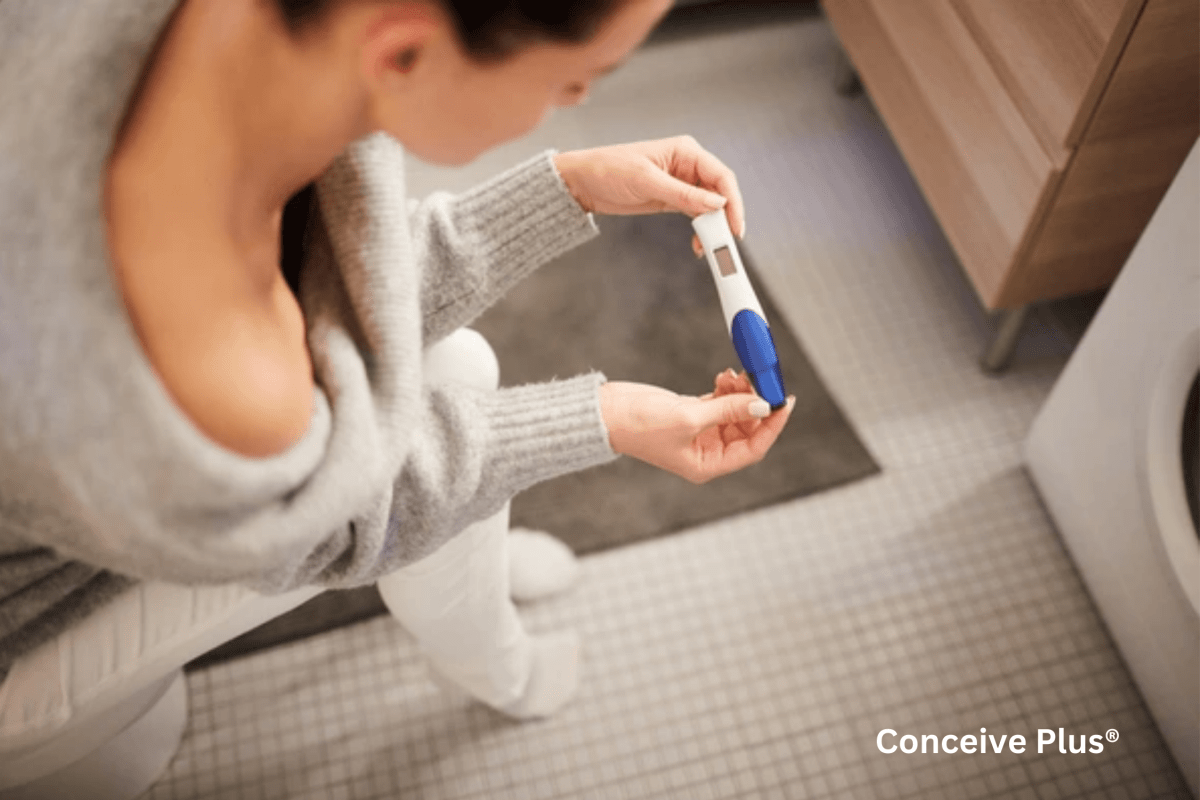

If you’re trying to get pregnant, figuring out the right time to conceive can be confusing. This is where an easy home ovulation test comes in handy. These simple tests help you understand your body’s signals and predict the best days to try for a baby. They measure specific hormones in your body and tell you when you’re most fertile. Whether you’re new to tracking ovulation or looking for more accuracy in your conception journey, this guide will explain everything step by step.

What’s an Easy Home Ovulation Test?
Let’s keep it simple. An easy home ovulation test is a tool you use at home to figure out when you’re about to ovulate. It detects a hormone called luteinizing hormone (LH) in your urine. This hormone spikes right before ovulation, which is when your ovary releases a mature egg. The LH surge usually happens 12 to 36 hours before ovulation, giving you a clear idea of your most fertile days [1].
This test is great because it’s focused only on LH, making it less complicated than some of those high-tech fertility monitors that track multiple things. It’s quick, affordable, and perfect for anyone who wants to monitor their fertility without too much hassle.
Why Should You Use an Easy at Home Ovulation Test?
There’s no doubt that an easy at home ovulation test makes life simpler when you’re trying to conceive. It’s especially useful if you can’t always rely on physical signs of ovulation like cervical mucus changes or slight shifts in basal body temperature.
The best part? These tests are convenient. You don’t have to go to a clinic or deal with complicated devices. You just use it at home, and within minutes, you get a clear result. They’re also really accurate, with up to 99% precision in detecting the LH surge [2]. Plus, they don’t break the bank—many options are budget-friendly and available at your local store or online.
For best results, use the test at the same time each day. Consistency is key here. If you do it differently every time, you might not get accurate readings.
How Does an Ovulation Kit Easy Home Work?
Here’s how an ovulation kit easy home works. It’s like a pregnancy test but for ovulation. Most kits come with multiple test strips or sticks, which you use to measure LH levels in your urine. When the test detects a high level of LH, it means you’re likely to ovulate in the next day or two [3].
To start, figure out the day to begin testing. If your cycle is 28 days, start on day 10. If your cycle is longer or shorter, adjust accordingly. Once you know when to start, collect your urine in a clean container or pee directly on the test stick. Follow the kit instructions. Usually, you’ll wait a few minutes for the results. If the test line is as dark or darker than the control line, that’s a sign your LH levels are surging, and ovulation is close.
Start testing a few days before your expected ovulation to make sure you don’t miss it. Consistency is really important, and testing at the same time daily helps.

How to Use Easy Home Ovulation Test Strips
If you’ve opted for easy home ovulation test strips, good choice! These are one of the most affordable and popular methods for ovulation tracking. They’re simple but effective.
Here’s how to use them: First, pee in a clean cup. Next, dip the strip into the urine for about 5 to 10 seconds (or as the instructions say). After that, lay the strip on a flat surface and wait for the results. Most strips have two lines—a control line and a test line. If the test line is just as dark or even darker than the control, it means your LH levels are high, and you’re likely to ovulate within 24 to 36 hours [4].
Make sure you store the strips in a cool, dry place and read the instructions carefully. It’s also a good idea to test around the same time every day for accurate results.
Understanding the Fertile Window
The fertile window is a term you’ll hear a lot when trying to conceive. It refers to the few days in your cycle when you’re most likely to get pregnant. This includes the five days leading up to ovulation and the day of ovulation itself [5].
Here’s why timing matters. Sperm can live inside the female reproductive tract for up to five days, but an egg only survives for about 12 to 24 hours after ovulation. Using an easy at home ovulation test helps you catch this critical window, so you know exactly when to try for a baby.
What to Do If Your Cycles Are Irregular
Irregular cycles can make ovulation tracking a bit trickier. But don’t worry—an ovulation kit easy home can still be very helpful.
If your cycles are unpredictable, it’s a good idea to start testing soon after your period ends. This way, you’ll have more chances to catch the LH surge. Testing more frequently, even twice a day, might be necessary if your cycles are really irregular. Combining ovulation tests with other methods, like tracking basal body temperature or observing cervical mucus, can give you a clearer picture of your fertility [6].

✨ Trying to Conceive?
Our Ovulation & Fertility Bundle combines Myo-Inositol with essential vitamins to support healthy hormone balance and regular ovulation.
Shop Now — $55.00✓ Free shipping on orders over $40 | ✓ Trusted by millions of couples worldwide
Keeping a menstrual journal can also help. Over time, you may notice patterns that make it easier to predict ovulation, even with irregular cycles.
Why the Science Behind Easy Home Ovulation Tests Matters
Here’s the deal: an easy home ovulation test works because it’s based on detecting the LH surge. This hormone is essential for triggering ovulation. When LH levels rise sharply, it signals your ovary to release an egg, making it the perfect time to try for a baby [7].
However, keep in mind that not every cycle includes ovulation. Some conditions, like PCOS or hormonal imbalances, can mess with LH levels and lead to irregular ovulation. If you’re not detecting an LH surge after several cycles of testing, it might be a good idea to talk to your doctor.
How Your Lifestyle Affects Fertility
Using an easy home ovulation test is just one piece of the puzzle. Your lifestyle plays a big role in your fertility too.
First, let’s talk diet. Eating a balanced diet full of fresh fruits, vegetables, whole grains, and lean proteins can improve your reproductive health. Nutrients like folic acid, zinc, and omega-3 fatty acids are especially helpful [8]. Exercise is another factor. Moderate activity boosts circulation and helps keep your hormones balanced, but don’t overdo it—too much exercise can disrupt your cycle.
Stress is a silent fertility killer. Chronic stress can throw your hormones off balance, making it harder to ovulate regularly. Practicing relaxation techniques like yoga, meditation, or even just taking a daily walk can do wonders for your mental and physical health.
If you're looking for a detailed breakdown of how to use ovulation tests effectively, you might find it helpful to check out the Clear Blue ovulation test instructions to compare different methods and understand how they work.
Fertility-Boosting Nutrients You Need
Certain nutrients can directly enhance your fertility. For example, folic acid is essential for DNA synthesis and reduces the risk of neural tube defects in babies. Myo-inositol is another great one—it helps regulate hormones and improve egg quality, especially for women with PCOS [9].
Coenzyme Q10 (CoQ10) is a powerful antioxidant that protects your eggs from damage and improves their quality. Zinc is equally important, as it supports hormone production and promotes sperm health in men. If you’re trying to conceive, incorporating these nutrients into your daily routine can make a big difference.

Avoid These Common Mistakes
When using an easy home ovulation test, there are a few mistakes you’ll want to avoid. Skipping tests is a big one. If you miss a day or two, you might not catch the LH surge. Drinking too much water before testing is another common error. It can dilute your urine, making it harder to detect hormonal changes. Testing at inconsistent times of the day can also lead to unreliable results [10].
For the most accurate readings, stick to the instructions provided with your test kit and be consistent with your testing schedule.
If you ever receive unexpected results while testing, it’s important to consider the possibility of a false positive ovulation test, which can sometimes be caused by hormonal fluctuations or underlying health conditions.
Fertility Tips for Men
Men’s health is just as important when it comes to fertility. While women track ovulation with tools like an easy home ovulation test, men can take steps to improve sperm quality and motility.
Taking supplements with nutrients like L-carnitine and zinc can significantly enhance sperm health. Avoiding prolonged heat exposure from hot tubs, laptops on the lap, or tight underwear is also a good idea, as excessive heat can harm sperm production. Maintaining a healthy weight through a balanced diet and regular exercise can further boost male fertility [11].
The Bottom Line
An easy home ovulation test is an incredible tool for identifying your fertile window. It’s simple to use, reliable, and gives you control over your fertility journey. Combine it with a healthy lifestyle, fertility-friendly nutrients, and consistent testing to maximize your chances of success. Remember, patience and persistence go a long way when you’re trying to conceive. Good luck!
FAQs
How accurate is an easy home ovulation test?
These tests are highly accurate, with a success rate of up to 99% when used correctly.
When should I start testing if my cycles are irregular?
It’s best to start testing right after your period ends to increase your chances of catching the LH surge.
Can I rely only on an ovulation kit easy home to conceive?
While these kits are helpful, combining them with other methods like cervical mucus tracking or basal body temperature can improve your chances.
Why didn’t I detect an LH surge this month?
There are many reasons, like missed testing days, diluted urine, or an anovulatory cycle.
Are easy home ovulation test strips reusable?
No, they are designed for one-time use only.
Citations
- Infertility and Fertility. Available at: https://www.nichd.nih.gov/health/topics/infertility
- Su HW, Yi YC, Wei TY, Chang TC, Cheng CM. Detection of ovulation, a review of currently available methods. Bioeng Transl Med. Available at: https://pmc.ncbi.nlm.nih.gov/articles/PMC5689497/
- Johnson S, Stanford JB, Warren G, Bond S, Bench-Capon S, Zinaman MJ. Increased Likelihood of Pregnancy Using an App-Connected Ovulation Test System: A Randomized Controlled Trial. J Womens Health (Larchmt). Available at: https://pmc.ncbi.nlm.nih.gov/articles/PMC6983750/
- Lyzwinski L, Elgendi M, Menon C. Innovative Approaches to Menstruation and Fertility Tracking Using Wearable Reproductive Health Technology: Systematic Review. J Med Internet Res. Available at: https://pmc.ncbi.nlm.nih.gov/articles/PMC10905339/
- Finding your fertility window. By Mayo Clinic Press Editors. Available at: https://mcpress.mayoclinic.org/pregnancy/finding-your-fertility-window/
- Caitlin W. Hicks, BA and Ellen S. Rome, MD, MPH. Menstrual manipulation: Options for suppressing the cycle . Cleveland Clinic Journal of Medicine Available at: https://www.ccjm.org/content/77/7/445
- Nedresky D, Singh G. Physiology, Luteinizing Hormone. [Updated 2022 Sep 26]. In: StatPearls [Internet]. Treasure Island (FL): StatPearls Publishing. Available at: https://www.ncbi.nlm.nih.gov/books/NBK539692/
- Kamenov Z, Gateva A. Inositols in PCOS. Molecules. Available at: https://pmc.ncbi.nlm.nih.gov/articles/PMC7729761/
- Gambioli R, Forte G, Buzzaccarini G, Unfer V, Laganà AS. Myo-Inositol as a Key Supporter of Fertility and Physiological Gestation. Pharmaceuticals (Basel). Available at: https://pmc.ncbi.nlm.nih.gov/articles/PMC8227031/
- Deadmond A, Koch CA, Parry JP. Ovarian Reserve Testing. [Updated 2022 Dec 21]. In: Feingold KR, Anawalt B, Blackman MR, et al., editors. Endotext [Internet]. South Dartmouth. Available at: https://www.ncbi.nlm.nih.gov/books/NBK279058/
- McKinnon CJ, Joglekar DJ, Hatch EE, Rothman KJ, Wesselink AK, Willis MD, Wang TR, Mikkelsen EM, Eisenberg ML, Wise LA. Male personal heat exposures and fecundability: A preconception cohort study. Andrology. Available at: https://pubmed.ncbi.nlm.nih.gov/35924639/
🌱 Support Your Fertility Journey
Conceive Plus fertility supplements are clinically formulated to help regulate your cycle and support egg quality.
Shop Fertility Support →Frequently Asked Questions
Recommended by Fertility Experts
Conceive Plus Men's Fertility Support
Designed to support healthy sperm production, motility, and overall male reproductive health with clinically studied nutrients.
Shop Now →Q: How far in advance does an at-home ovulation test detect the LH surge before ovulation?
A: According to Cleveland Clinic, ovulation predictor kits detect the luteinizing hormone (LH) surge 24 to 36 hours before ovulation occurs. This timing window is crucial because it gives you the most fertile days to have intercourse, as sperm can survive in the reproductive tract for up to 5 days. Most home LH tests work best when used on first-morning urine, though afternoon urine can also be effective. The American Society for Reproductive Medicine (ASRM) confirms that LH surge detection provides one of the most accurate methods for predicting ovulation outside of clinical settings. This predictive window gives couples optimal timing to maximize their chances of conception.
Q: What is the difference between an at-home LH test and an at-home ovulation test?
A: An at-home LH test and an at-home ovulation test are essentially the same thing—both measure luteinizing hormone levels to predict when ovulation will occur. These tests detect the natural LH surge that triggers the release of an egg from the ovary. Some modern fertility tests now also measure estrogen metabolites (PdG) in addition to LH to provide a longer window of fertility detection, typically identifying your five most fertile days. The FDA regulates ovulation predictor kits as medical devices to ensure accuracy and reliability. Whether you're using traditional LH-only strips or advanced multi-hormone tests, understanding your fertile window is a critical first step in your conception journey, and pairing testing with proper nutrition and supplements like Conceive Plus can support overall fertility health.
Q: How accurate are at-home ovulation tests for checking fertility?
A: At-home ovulation tests are approximately 99% accurate at detecting the LH surge when used correctly, making them one of the most reliable methods for predicting ovulation available to consumers. Studies published in fertility journals show that when women use ovulation tests consistently and follow the manufacturer's instructions, they accurately identify their fertile window in the vast majority of cycles. Accuracy can be affected by factors such as irregular cycles, polycystic ovary syndrome (PCOS), or certain medications, so results may vary for individuals with these conditions. For best results, start testing several days before your expected ovulation and use first-morning urine. To support your overall fertility, combining accurate ovulation tracking with a healthy lifestyle, proper hydration, and evidence-based fertility supplements like Conceive Plus can optimize your chances of conception.
Q: Can you use an at-home ovulation test with irregular periods?
A: Yes, you can use at-home ovulation tests with irregular periods, though the process may require more patience and additional testing strips since you'll need to test for a longer portion of your cycle. Women with irregular periods caused by conditions like PCOS or thyroid issues can still benefit from ovulation tracking, but they may need to test more frequently to catch the LH surge. If your cycles vary significantly in length (more than 8 days difference), consider consulting with a fertility specialist to establish a baseline before beginning home testing. Some advanced fertility apps can help predict your testing window even with irregular cycles by analyzing your historical data. Combining regular ovulation testing with comprehensive fertility support—including proper nutrition and fertility-specific supplements like Conceive Plus—can help optimize your reproductive health regardless of cycle regularity.
Q: When should you start using an at-home ovulation test during your cycle?
A: The ideal time to start using an at-home ovulation test depends on your cycle length; generally, you should begin testing 17 days before your expected period or about 5 days before you anticipate ovulation. For example, if you have a typical 28-day cycle, ovulation usually occurs around day 14, so you'd start testing around day 10. If your cycles are irregular, calculate the shortest cycle you've had in the past 3 months and subtract 17 days from that cycle length to determine your start date. Most fertility experts recommend using first-morning urine for the most concentrated hormone levels and testing at the same time daily for consistency. Starting at the right time maximizes your testing efficiency, reduces waste, and combined with proper hydration, nutritional support through supplements like Conceive Plus, and healthy lifestyle habits, positions you perfectly to identify your fertile window and optimize conception timing.
Trusted by Couples in Over 70 Countries
Support Male Fertility From the Inside Out
Male fertility is just as important as female fertility in the conception journey. Conceive Plus Men's range delivers targeted nutritional support to promote healthy sperm and overall reproductive wellbeing.
Shop Men's Range →