Foods to Avoid When Trying to Conceive


Nutrition and fertility articles are full of suggestions for foods that may help you to stay healthy and fertile when trying to conceive. But it’s important to know which foods to avoid, too. Watch out for these x foods.
High-mercury fish
Fish can be a great source of omega-3 fatty acids, but certain kinds are high in mercury, which can build up in your body and be harmful to your baby. Avoid swordfish, shark, and mackerel.
Alcohol
No one’s saying you can’t enjoy a glass of wine or a beer while trying to conceive (and it may help you relax from the stress), but avoid drinking to excess. Binge drinking can lead to irregular menstrual cycles and hormonal imbalances.

✨ Trying to Conceive?
Our Ovulation & Fertility Bundle combines Myo-Inositol with essential vitamins to support healthy hormone balance and regular ovulation.
Shop Now — $55.00✓ Free shipping on orders over $40 | ✓ Trusted by millions of couples worldwide
Coffee
Apply the same rule of moderation to caffeine: one or two cups of coffee or tea ( around 200 milligrams of caffeine) a day is perfectly fine, but more than that can impair your fertility. Heavy caffeine consumption has been associated with fertility problems.
Certain dairy products
Certain dairy products may contain a kind of bacteria called listeria, which is linked with a higher risk of miscarriage. To prevent this risk, avoid soft cheeses like goat’s cheese and brie, blue-veined cheeses like Stilton, and pate. Listeria can also be present in deli and smoked meats, so it’s a good rule to avoid those as well.
Soy
High consumption of soy has been linked to lower fertility. You don’t have to cut out the occasional serving of edamame or soy milk in your coffee, but keep soy levels down. This may be tricky for vegetarians who love tofu and other soy products. Try looking for other veggie sources of protein, like beans.
Raw meat, fish, unpasteurized cheeses and eggs
Put down the raw cookie dough! Raw meat and eggs exposes you to a risk of salmonella, listeria, or other food-borne bacteria, which in turn increases your risk of miscarriage.
🌱 Support Your Fertility Journey
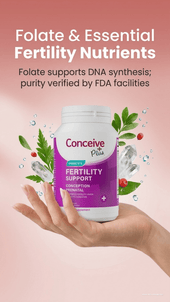
Conceive Plus fertility supplements are clinically formulated to help regulate your cycle and support egg quality.
Shop Fertility Support →Frequently Asked Questions
Recommended by Fertility Experts
Conceive Plus Men's Fertility Support
Designed to support healthy sperm production, motility, and overall male reproductive health with clinically studied nutrients.
Shop Now →Is it safe to eat any fish when trying to conceive?
Yes, fish can be part of a healthy preconception diet because it's rich in omega-3 fatty acids that support fertility. The key is choosing low-mercury varieties like salmon, sardines, anchovies, and canned light tuna, while avoiding high-mercury fish such as swordfish, shark, and mackerel. The FDA recommends limiting high-mercury fish to no more than one serving per week when planning pregnancy.
How much caffeine is safe when trying to get pregnant?
The American Society for Reproductive Medicine (ASRM) suggests limiting caffeine to approximately 200 milligrams per day, which equals about one to two cups of coffee or tea. Studies have shown that consuming more than 200 mg of caffeine daily may be associated with reduced fertility and increased miscarriage risk, so moderation is important during your conception journey.
Can I drink alcohol while trying to conceive?
Moderate alcohol consumption may be acceptable while trying to conceive, but binge drinking should be avoided as it can cause irregular menstrual cycles and hormonal imbalances that reduce fertility. The CDC recommends that women trying to conceive limit alcohol consumption, and many fertility specialists advise eliminating it entirely once you know you're pregnant.
What cheeses should I avoid when trying to conceive?
You should avoid soft cheeses like brie and goat cheese, as well as blue-veined cheeses like Stilton, because they may contain listeria bacteria—a pathogen linked to miscarriage. Hard cheeses and pasteurized dairy products are generally safe, so check labels to ensure your cheese is made with pasteurized milk.
Does soy affect fertility in women?
Research suggests that high consumption of soy may be associated with reduced fertility, though occasional servings of edamame or soy milk are likely safe. If you're vegetarian or vegan, consider diversifying your protein sources with beans, lentils, nuts, and seeds rather than relying heavily on soy-based products like tofu during your conception planning phase.
What food safety risks should I know about when trying to conceive?
Raw or undercooked meat, eggs, fish, and unpasteurized dairy products can expose you to harmful bacteria like salmonella and listeria, which increase miscarriage risk. The FDA recommends cooking meat to safe temperatures, avoiding raw cookie dough and homemade Caesar dressing, and choosing pasteurized versions of all dairy and egg products when trying to conceive.
Should I avoid deli meats while trying to get pregnant?
Yes, deli and smoked meats should be avoided during preconception planning because they can contain listeria bacteria, which is linked to miscarriage risk. If you do eat these products, heat them until steaming hot to kill any potential bacteria before consumption.
Trusted by Couples in Over 70 Countries
Support Male Fertility From the Inside Out
Male fertility is just as important as female fertility in the conception journey. Conceive Plus Men's range delivers targeted nutritional support to promote healthy sperm and overall reproductive wellbeing.
Shop Men's Range →