Sunscreen may reduce your chances of conceiving


Men and women are both frequently encouraged to wear sunscreen in order to protect their skin from sun damage and reduce the risk of skin cancer. A new study from the University of Copenhagen, however, shows that some sunscreen ingredients may interfere with sperm function. The researchers suspect this could be one reason for widespread male infertility. Although this research is new, it’s important for men, particularly men who are thinking of starting families, to be aware of the possible side effects of sunscreen.
The Ingredients of Chemical Sunscreen
The ingredients in question are chemical UV filters. The purpose of these filters is to absorb ultraviolet light and prevent it from affecting the skin. However, some of these chemical filters get absorbed through the skin and into the bloodstream. The researchers tested 29 out of the 31 filters allowed in sunscreens within the United Stated and European Union by applying them to healthy semen samples. They found that 45% of the UV filters interfered with sperm cell function.

✨ Trying to Conceive?
Our Ovulation & Fertility Bundle combines Myo-Inositol with essential vitamins to support healthy hormone balance and regular ovulation.
Shop Now — $55.00✓ Free shipping on orders over $40 | ✓ Trusted by millions of couples worldwide
Furthermore, 69% of the sperm-affecting filters mimicked the effects of a female hormone called progesterone. When normal fertilization occurs, progesterone draws the sperm towards the female egg and helps the sperm to reach the egg. Because the UV filters mimic progesterone, they can disrupt this natural process. The study found that these inhibitory effects begin even at very low levels of the chemicals, “below the levels of some UV filters found in people after whole-body application of sunscreens,” the study’s senior investigator Niels Skakkebaek reported.
In a press release, Skakkebaek commented, “These results are of concern and might explain in part why unexplained infertility is so prevalent.” The UV filters the group tested are approved ingredients in sunscreen in the U.S. and Europe and so affect a large population of men. Therefore, the researchers called for more research into the effects of UV filters on fertility. They believe these effects should be studied closely before the chemicals are approved for use.
Sun Safety Remains a Priority
Health professionals concerned with the risk of skin cancer, however, are urging men not to stop applying sunscreen. The American Academy of Dermatology emphasized that “more research is necessary to determine whether sunscreen use can affect human fertility.” The study by the University of Copenhagen is recent and has not yet been published in a peer-reviewed scientific journal. Their results will need to be analyzed in more detail, and other research conducted, before scientists can make definitive conclusions about the potentially negative effects of sunscreen. However, the Academy suggested that men who are concerned about fertility may want to use sunscreen that uses zinc oxide or titanium dioxide instead of chemical UV filters. This approach can mitigate the risks of both infertility and skin cancer.
🌱 Support Your Fertility Journey
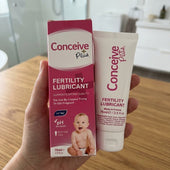
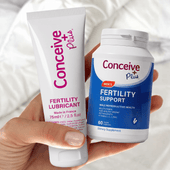
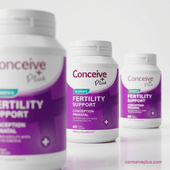
Conceive Plus fertility supplements are clinically formulated to help regulate your cycle and support egg quality.
Shop Fertility Support →Frequently Asked Questions
Recommended by Fertility Experts
Conceive Plus Men's Fertility Support
Designed to support healthy sperm production, motility, and overall male reproductive health with clinically studied nutrients.
Shop Now →Which sunscreen ingredients are safe to use if I'm trying to conceive?
Physical (mineral) sunscreens containing zinc oxide or titanium dioxide are considered safer alternatives, as the study specifically focused on chemical UV filters that absorb into the bloodstream. These mineral-based options create a barrier on your skin without being systemically absorbed. If you prefer chemical sunscreens, consult your fertility specialist about which specific FDA-approved filters may have lower risk profiles based on current research.
Does this sunscreen study apply to women trying to conceive?
While the University of Copenhagen study primarily focused on how UV filters affect sperm function, women should still practice sun safety as recommended by dermatologists and the American Academy of Dermatology. The research suggests that some UV filters can mimic progesterone, but more research is needed to understand if topical sunscreen exposure poses the same risks to female fertility as it may to male fertility.
How long does it take for sunscreen chemicals to affect sperm production?
The study tested the immediate effects of UV filters on sperm samples in a laboratory setting, but it did not establish a timeline for how long-term sunscreen use affects sperm production in living men. Since sperm production takes approximately 74 days, any meaningful changes to fertility would likely take several months of exposure to manifest, though individual responses may vary.
Should I stop wearing sunscreen if I'm a man trying to father a child?
No—health organizations including the American Academy of Dermatology continue to recommend sunscreen use to prevent skin cancer, which is a more established health risk than the potential fertility effects from UV filters. Instead, consider switching to mineral-based sunscreens with zinc oxide or titanium dioxide, and discuss your concerns w
Are sunscreen UV filters FDA-approved for use in the United States?
Yes, the 29 UV filters tested in this study are FDA-approved and currently allowed in sunscreens sold in the United States and European Union. However, the researchers are calling for more rigorous study of these approved ingredients' effects on fertility before continued use, suggesting that FDA approval may need to be revisited based on new evidence.
Can my fertility clinic test me for sunscreen chemical exposure?
Some specialized fertility clinics may offer advanced semen analysis and hormone testing, but routine exposure assessment for sunscreen chemicals is not yet a standard part of fertility workups in the United States. If you have concerns about chemical exposure and infertility, discuss this with your reproductive endocrinologist who can determine what testing or precautions may be appropriate for your specific situation.
What percentage of sunscreen UV filters actually harm sperm function?
According to the University of Copenhagen study, approximately 45% of the 29 UV filters tested interfered with sperm cell function, and 69% of those sperm-affecting filters mimicked progesterone. Notably, these effects were observed even at very low chemical levels, some below the concentrations found in people after typical whole-body sunscreen application.
Trusted by Couples in Over 70 Countries
Support Male Fertility From the Inside Out
Male fertility is just as important as female fertility in the conception journey. Conceive Plus Men's range delivers targeted nutritional support to promote healthy sperm and overall reproductive wellbeing.
Shop Men's Range →