The Fertility Diet: Evidence-Based Nutrition Strategies to Boost Your Fertility Naturally


The Fertility Diet: Evidence-Based Nutrition Strategies to Boost Your Fertility Naturally
When you're trying to conceive, every meal is an opportunity to nourish your body and support reproductive health. The concept of a "fertility diet" isn't about restrictive eating — it's about strategically choosing foods that optimise hormone balance, egg quality, sperm health, and overall reproductive function. Research increasingly shows that dietary patterns significantly influence fertility outcomes. A landmark study from the Harvard School of Public Health found that women who followed a fertility-friendly dietary pattern had a 66% lower risk of ovulatory infertility compared to those with less optimal diets.
Understanding the Science Behind Nutrition and Fertility
The connection between diet and fertility operates through multiple biological pathways. Nutrient-dense foods provide the building blocks for hormones, support cellular health, reduce inflammation, and maintain optimal body composition — all critical factors in reproductive health.
Key mechanisms include blood sugar regulation (stable blood sugar supports hormonal balance, particularly in women with PCOS), antioxidant protection (neutralising oxidative stress that can damage eggs and sperm DNA), inflammatory modulation, and methylation support through B vitamins and folate.
A 2024 systematic review in Nutrients confirmed that adherence to Mediterranean-style dietary patterns was associated with improved IVF outcomes, higher pregnancy rates, and better sperm parameters across multiple studies.
The Core Components of a Fertility-Optimised Diet
Support Your Fertility Journey
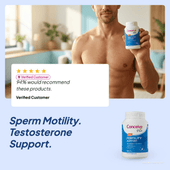
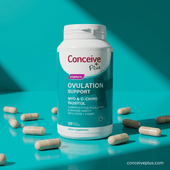
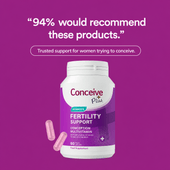
Conceive Plus Fertility Support supplements are scientifically formulated with evidence-backed nutrients including CoQ10, folate, zinc, and vitamin D to support reproductive health at every stage. Give your body the nutritional foundation it deserves.
Support Your Fertility Journey
Conceive Plus Fertility Support supplements are scientifically formulated with evidence-backed nutrients including CoQ10, folate, zinc, and vitamin D to support reproductive health at every stage. Give your body the nutritional foundation it deserves.
Healthy Fats: The Hormone Foundation
Fats are the building blocks of steroid hormones, including oestrogen, progesterone, and testosterone. Monounsaturated and omega-3 fats are particularly beneficial: extra virgin olive oil (rich in anti-inflammatory polyphenols), fatty fish like salmon and sardines (EPA and DHA omega-3s that support egg quality and sperm membrane integrity), avocados (monounsaturated fats and vitamin E), and nuts and seeds like walnuts, flaxseeds, and pumpkin seeds.
A 2023 study in Fertility and Sterility found that women with the highest intake of omega-3s had a 50% higher chance of clinical pregnancy compared to those with the lowest intake.
Complex Carbohydrates: Steady Energy for Hormonal Balance
Refined carbohydrates spike blood sugar and insulin, disrupting ovulation. The fertility diet emphasises low-glycaemic, fibre-rich carbohydrates: leafy greens (folate, iron, magnesium), whole grains like quinoa and oats (B vitamins, fibre), legumes (plant protein, folate, zinc), and colourful vegetables (diverse antioxidants).
High-Quality Protein: Building Blocks of Life
The Nurses' Health Study found that women who substituted one serving of red meat or poultry with legumes, nuts, or soy had a significantly lower risk of ovulatory infertility. Focus on plant proteins (lentils, chickpeas, tofu), fish and seafood, pasture-raised eggs (choline-rich yolks), and lean poultry.
Key Micronutrients for Fertility
- Folate (400-800 mcg/day): Essential for DNA synthesis and neural tube development
- Vitamin D (600-2000 IU/day): Low levels linked to poorer IVF outcomes and lower sperm quality
- Zinc (8-11 mg/day): Critical for egg maturation and sperm formation
- CoQ10 (100-300 mg/day): Supports mitochondrial function in egg and sperm cells
- Omega-3s (EPA+DHA): Reduces inflammation and supports cell membrane health
Quality fertility supplements like Conceive Plus Fertility Support are specifically formulated with these evidence-backed nutrients to fill dietary gaps and support your journey.
What to Limit or Avoid
Trans fats (found in processed snacks and fried foods) are associated with increased ovulatory infertility risk. Excessive alcohol can impair ovulation and sperm quality. High-mercury fish should be limited. Ultra-processed foods promote inflammation. Most guidelines suggest keeping caffeine under 200-300 mg daily.
Sample Fertility-Boosting Meal Plan
Breakfast: Overnight oats with chia seeds, berries, walnuts, and Greek yogurt
Lunch: Quinoa bowl with roasted vegetables, chickpeas, spinach, and tahini dressing
Dinner: Grilled wild salmon with roasted sweet potatoes and steamed broccoli drizzled with olive oil
Snacks: Apple slices with almond butter, Brazil nuts (rich in selenium), or hummus with vegetable sticks
Special Considerations for Different Fertility Challenges
PCOS: Women with PCOS benefit from a lower glycaemic load approach. The Mediterranean or low-GI diet improves ovulation rates.
Male Factor: Sperm health responds remarkably well to dietary improvement. Antioxidant-rich foods, zinc-rich foods (oysters, pumpkin seeds), and selenium (Brazil nuts) benefit sperm count, motility, and morphology.
Endometriosis: An anti-inflammatory diet emphasising omega-3s, colourful vegetables, and reduced red meat may help lower inflammatory markers.
Frequently Asked Questions
- How long does it take for dietary changes to affect fertility? Egg maturation takes approximately 90-120 days, sperm production about 74 days. Give changes at least 3 months.
- Do I need a strict diet? No. Focus on overall patterns. Even moderate improvements help.
- Should I take a prenatal vitamin alongside dietary changes? Yes. A quality supplement fills nutritional gaps diet alone may not cover.
- Can diet help with IVF success? Yes. Mediterranean diet patterns are linked to higher IVF success rates.
- Is organic food necessary? It reduces pesticide exposure but eating any produce is better than none.
- How does sugar affect fertility? High sugar spikes insulin, disrupting ovulation. Reduce added sugars.
- Should my partner also change his diet? Absolutely. Sperm health reflects overall nutrition.
- Can weight affect fertility diet outcomes? Yes. Both underweight and overweight affect hormone production.
- What about intermittent fasting? Extreme fasting may stress the body. Consult your specialist.
- How much water? Aim for 8-10 glasses daily. Hydration supports cervical mucus and cellular function.
Your Journey, Our Support
Whether you are just starting to try or have been on this path for a while, Conceive Plus is here for you. Our fertility-friendly products are developed with reproductive health specialists to support your body natural fertility.